Palm Shores Automobile Accident Doctor for Injury Recovery
That moment right after a car accident – when everything goes quiet and you’re sitting there gripping the steering wheel, heart pounding, trying to figure out if you’re okay – is one of the strangest experiences a person can go through. You’re doing this mental inventory: *hands, fine… neck feels a little stiff but probably nothing… legs seem okay…* And because you’re flooded with adrenaline, because your body is in pure survival mode, you actually feel pretty decent. Maybe even shaken but okay.
So you exchange insurance information. You answer the officer’s questions. You call your spouse or your friend, and you say “yeah, I’m alright, just a fender bender.” You mean it. You genuinely believe it.
And then you wake up the next morning and you can barely turn your head.
If you live in or around Palm Shores, this scenario probably hits close to home – because accidents happen here, every single day, on roads that weren’t designed with forgiveness in mind. And the aftermath? That’s often where the real struggle begins. Not at the scene, but in the days and weeks that follow, when you realize that “fine” wasn’t quite the right word after all.
Here’s the thing that most people don’t know, and honestly it’s a little frustrating that it isn’t talked about more – the injuries that cause the most long-term damage are often the ones that feel the most minor at first. Whiplash. Soft tissue damage. Spinal misalignments. A minor concussion. These aren’t dramatic, Hollywood-style injuries. There’s no visible broken bone, no dramatic trip to the ER. But they quietly wreak havoc on your body for months, sometimes years, if they’re not properly identified and treated.
That’s exactly why seeing the right doctor after a Palm Shores automobile accident isn’t just a good idea. It’s genuinely one of the most important decisions you’ll make in the weeks following a crash.
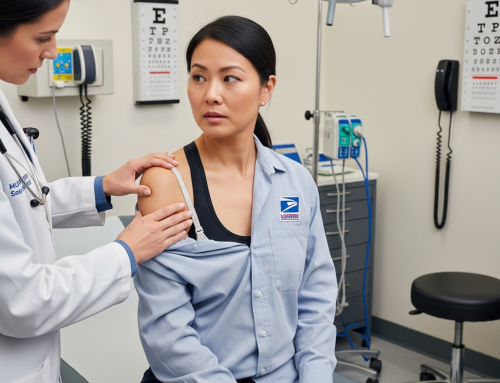
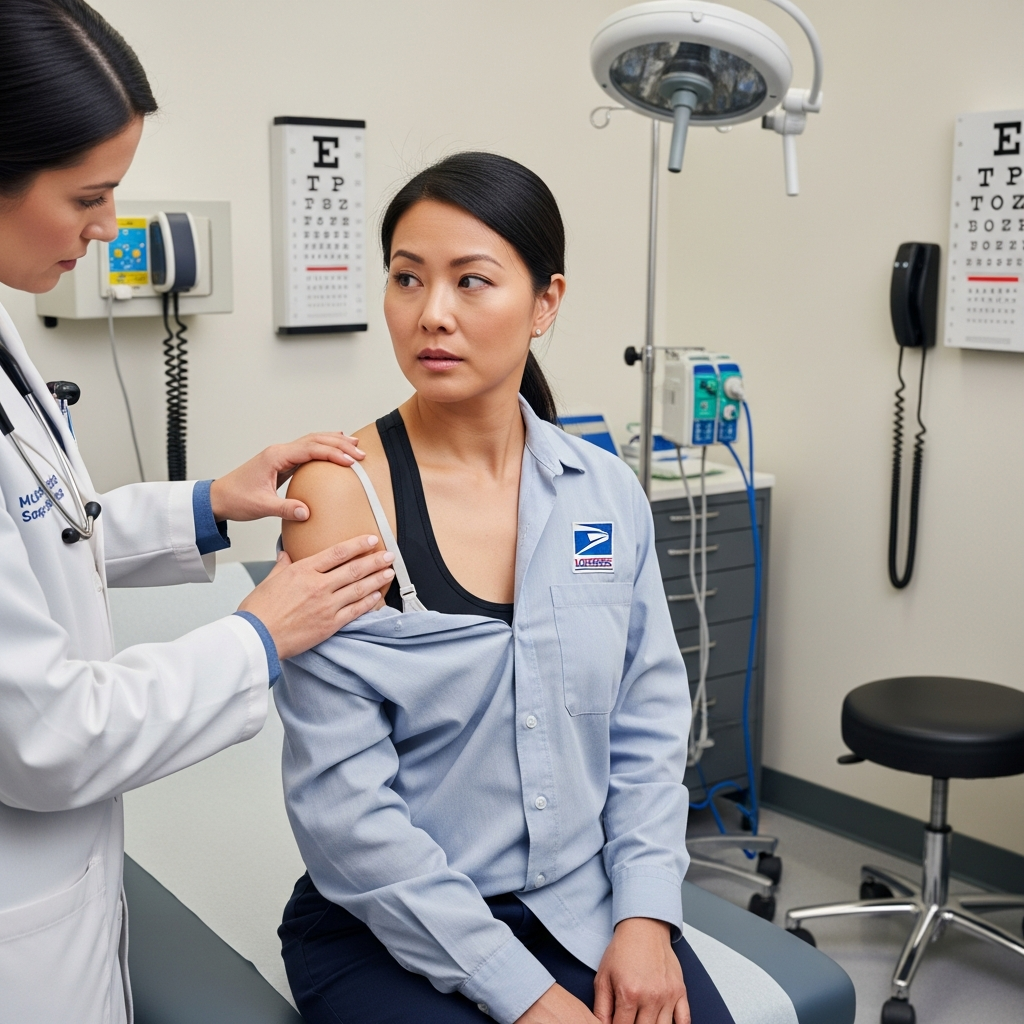
Now, you might be wondering… what does “the right doctor” even mean in this context? It’s not necessarily your general practitioner, though they’re wonderful for plenty of things. Accident injury recovery is its own specialty – a world of biomechanical assessments, imaging that catches what standard exams miss, and treatment plans built specifically around trauma your body just went through. There are doctors right here in the Palm Shores area who do exactly this, who understand both the medical and the legal complexities of what you’re dealing with. (And yes, the legal piece matters more than you think – proper documentation from the right provider can make or break an injury claim.)
This article is going to walk you through everything you actually need to know. We’re talking about how to find an accident injury doctor in Palm Shores who genuinely specializes in this work, what to expect from your first appointment, which injuries are most commonly missed after a crash, why timing matters so much more than people realize, and how the right treatment team works with your situation – medically and legally – to help you actually recover, not just manage.
Because here’s what nobody tells you when you’re standing on the side of the road after an accident: the decisions you make in the next 72 hours set the tone for everything that comes after. The gap between someone who recovers fully and someone who ends up with chronic neck pain for the next decade often isn’t about the severity of the crash. It’s about what happened next. What care they got – or didn’t get. How quickly. From whom.
You deserve to make that choice with real information in your hands.
Whether you walked away from a minor rear-end collision thinking you were totally fine, or you’re currently dealing with pain that’s been lingering since an accident weeks ago and you’re not sure where to turn… this is for you. Palm Shores has resources – real, specialized, compassionate care built for exactly what you’re going through. And by the time you finish reading, you’ll know exactly how to access it.
Let’s get into it.
Your Body After a Crash: What’s Actually Happening
Here’s something that surprises a lot of people – your body doesn’t always know an accident just happened. Not right away, at least. In the immediate aftermath of a collision, your nervous system floods your bloodstream with adrenaline and cortisol, which are essentially your body’s emergency response crew. They’re brilliant at keeping you functional in a crisis. The problem? They’re also really good at masking pain.
So you walk away from the accident feeling shaken but okay. Maybe a little stiff. You tell yourself you’re fine, and honestly, in that moment, you believe it. Then you wake up two days later and can barely turn your head. That’s not bad luck – that’s biology.
Why “I Feel Fine” Can Be Misleading
This is the counterintuitive part that trips people up. The injuries most commonly seen after automobile accidents – whiplash, soft tissue damage, spinal misalignment – don’t always announce themselves immediately. Think of it like a water leak behind your walls. The damage starts the moment the pipe cracks, but you won’t see the stain on your ceiling for days, maybe weeks.
Whiplash is probably the most misunderstood of these. The name sounds almost cartoonish, but the reality isn’t. When your vehicle takes an impact, your head snaps forward and back – or side to side – faster than your muscles can react to protect you. We’re talking about milliseconds. Your neck’s muscles, ligaments, and tendons get stretched in ways they were never designed for, and the resulting inflammation, micro-tears, and nerve irritation can quietly build into serious, lasting problems if they’re not addressed.
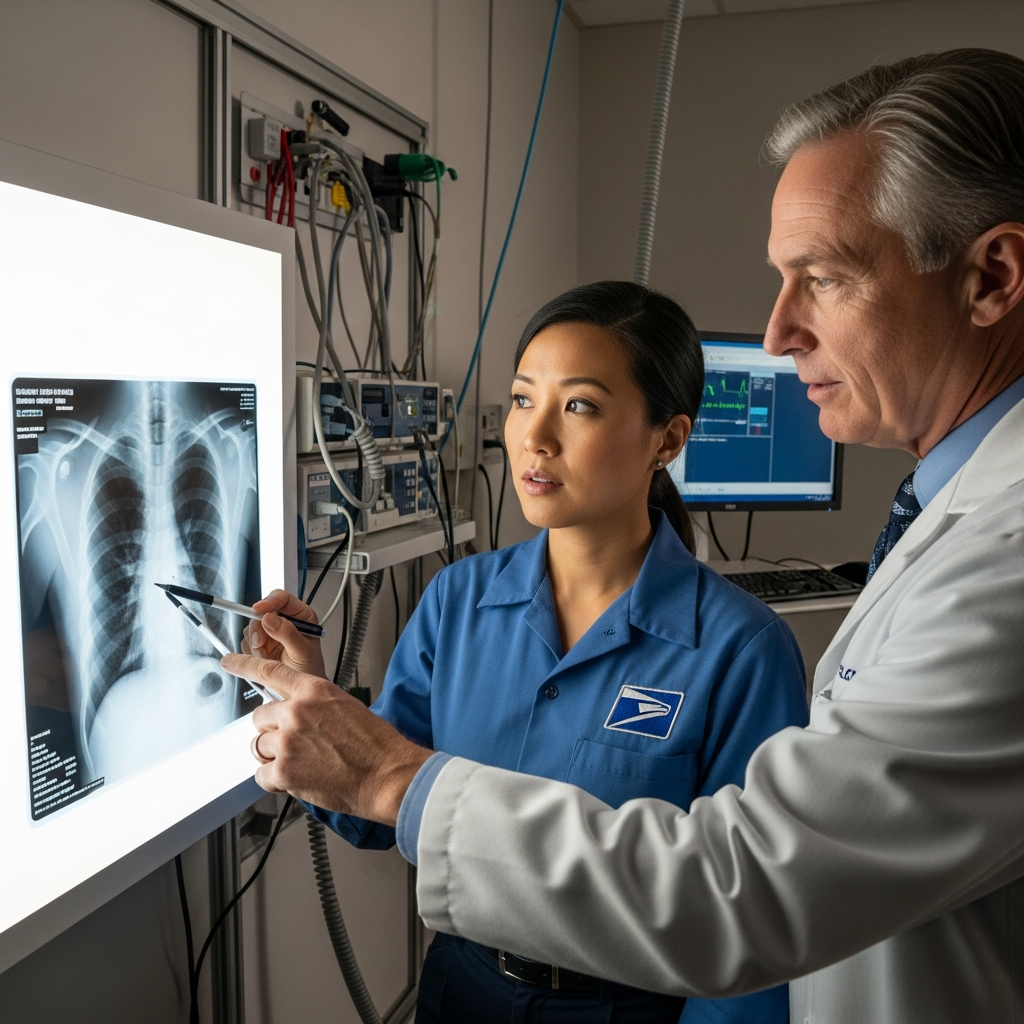
Soft tissue injuries are similar. Muscles, tendons, ligaments – none of these show up on a standard X-ray, which is why they’re so frequently missed in emergency room visits. The ER is designed to rule out life-threatening emergencies. Broken bones, internal bleeding, head trauma – that’s their lane. Catching the subtler structural damage that creates weeks or months of pain later? That’s where a physician who specializes in accident injury recovery earns their value.
The Cascade Effect (And Why It Matters for Your Recovery)
There’s another concept worth understanding – the way untreated injuries tend to snowball. Your body is incredibly adaptive. When something hurts, you naturally compensate. You hold your neck differently, you shift your weight away from a sore hip, you adjust your posture without even realizing it. In the short term, this feels helpful. You’re working around the pain.
Over time, though, those compensations create entirely new problems. Muscles that are doing jobs they weren’t meant to do get overworked and strained. Joints that are carrying uneven loads start breaking down faster. What started as a neck injury can eventually manifest as shoulder tightness, headaches, even lower back pain – and by that point, it can be genuinely difficult to trace everything back to its source.
This is why timing matters so much. The sooner the underlying injuries get properly identified and treated, the less opportunity that cascade has to build up momentum.
What “Injury Recovery” Actually Involves
People sometimes assume that recovering from a car accident injury just means resting until the pain goes away. And sometimes – for truly minor injuries – that works fine. But for the kinds of musculoskeletal trauma common in automobile accidents, passive rest alone is rarely the full answer.
Actually, complete immobilization can sometimes slow healing in soft tissue injuries, which feels backwards. Movement – the *right* kind of movement, guided carefully – promotes circulation to damaged tissue, reduces scar tissue formation, and helps restore normal function. The goal isn’t just making the pain stop. It’s restoring how your body actually works.
A physician specializing in this area brings together diagnostic tools, treatment options, and – maybe most importantly – a framework for understanding what your body is going through. They’re not just treating symptoms. They’re mapping the injury, tracking the healing, and adjusting the approach as your recovery progresses.
For residents in Palm Shores dealing with the aftermath of a collision, that kind of coordinated, knowledgeable care can mean the difference between genuinely recovering and just… getting used to hurting. Those aren’t the same thing, even when they start to feel that way.
Don’t Wait for the Pain to “Settle In”
Here’s something most people don’t realize after a crash: the absence of immediate pain is not a green light to skip the doctor. Your body floods itself with adrenaline and cortisol during a collision – these hormones are genuinely remarkable at masking pain signals, sometimes for 24 to 72 hours. By the time Tuesday rolls around and your neck feels like it’s made of concrete, you’ve already lost critical days of documentation.
See a doctor within 48 hours. Ideally sooner. Not urgent care (though that works in a pinch) – you want a physician who specifically understands auto accident injuries and knows how to document them in ways that actually matter for your recovery and any potential insurance claim.
What to Bring to Your First Appointment
Come prepared, because this first visit sets the tone for everything that follows. Bring
– The accident report number (or a copy if you have it) – Photos from the scene, even if they’re just on your phone – Your insurance information – both auto and health – A written timeline of what happened and exactly how you felt immediately after – A list of every symptom, even ones that seem unrelated or embarrassing
That last point matters more than people think. Ringing in the ears, feeling foggy or “off,” jaw soreness, difficulty sleeping – these aren’t random. They can all trace back to the impact. Tell your doctor everything, even if it seems like oversharing.
Understanding What Soft Tissue Injuries Actually Mean
“Soft tissue injury” sounds almost dismissive, like a doctor’s way of saying “you’re basically fine.” It’s not. Whiplash, muscle strains, ligament sprains – these injuries don’t show up on standard X-rays, which is why they’re so often underestimated and undertreated. A good accident injury doctor in Palm Shores will order the right imaging – MRI, CT scans when warranted – to actually *see* what’s happening beneath the surface.
Ask specifically about functional movement assessments too. How your body moves (or doesn’t) after an accident often reveals patterns of compensation that, left unaddressed, create problems months or even years down the road.
Follow the Treatment Plan Consistently
This one’s honestly where a lot of people trip up. You feel better after a few sessions of chiropractic or physical therapy, life gets busy, and suddenly you’re “just skipping this week.” Then the next week. Then you’ve created a gap in your treatment record that’s genuinely hard to explain later – whether to an insurance adjuster or to yourself when the pain comes roaring back.
Consistency isn’t just about healing faster (though it is about that). It’s about building an unbroken paper trail that proves your injuries were real, your recovery was active, and your medical team was engaged throughout.
Ask These Specific Questions at Every Visit
Don’t just show up and be passive. Actually ask your doctor
– “How does this week’s progress compare to last week?” – You want measurable benchmarks, not just general reassurance. – “Are there any restrictions I should know about?” – This matters for work, activity, even how you sleep. – “What should I be doing at home between appointments?” – Good injury recovery doesn’t stop when you leave the clinic. – “Is there anything we’re not yet treating that we should be watching?” – Sometimes secondary issues emerge over time.
A physician who welcomes these questions is one worth sticking with. One who seems annoyed by them… well, that tells you something.
Keep Your Own Records
Your medical provider keeps records, yes – but keep your own too. A simple notes app on your phone works fine. Log your pain levels daily, what activities made things worse or better, how your sleep was, any new symptoms. This kind of granular detail is something no doctor’s chart fully captures, and it becomes incredibly valuable if your case involves an insurance dispute or personal injury claim.
Also – and this is practical advice people genuinely overlook – photograph any visible bruising or swelling regularly until it resolves. Timestamps are built into every smartphone photo. That visual documentation can be surprisingly compelling later.
The Palm Shores Advantage
Locally, you have access to medical providers who work specifically within Florida’s PIP insurance framework and understand the coordination between medical documentation and legal processes. That matters enormously. Finding a doctor experienced in accident injury care means you’re not educating your physician on how this process works – they already know, and they can guide you through it.
When Insurance Companies Push Back
Let’s be real about something. Insurance companies – even your own – are not always on your side after a car accident. They have entire teams of adjusters trained to minimize payouts, and one of their favorite tactics is questioning whether your injuries are “serious enough” to warrant ongoing medical care.
Here’s what trips people up constantly: they feel fine in the ER, decline follow-up care, and then three weeks later their neck is screaming at them. By that point, the insurance company is already waving the gap in treatment around like a red flag. “If you were really hurt,” the logic goes, “you would’ve kept seeing a doctor.”
The solution? Don’t stop treatment because you feel *okay one day*. Pain from soft tissue injuries, whiplash, and even mild traumatic brain injuries is notoriously unpredictable. It hides. It shows up late. Keep your appointments even when you’re feeling cautiously optimistic – and make sure your Palm Shores accident doctor is documenting everything thoroughly, not just symptoms but functional limitations too. That documentation is your evidence.
The “I’ll Just Wait and See” Trap
This one’s genuinely understandable. You’re shaken up, maybe a little embarrassed about the whole thing, your car needs repairs, you’ve got work to deal with… and going to a doctor feels like one more overwhelming thing. So you wait.
Unfortunately, waiting is where things fall apart – medically *and* legally. Florida has a 14-day rule for Personal Injury Protection (PIP) benefits, which means if you don’t see a physician within 14 days of your accident, you can lose access to up to $10,000 in medical coverage you’re already paying for through your own insurance policy. That’s not a technicality worth gambling on.
Beyond the insurance angle, soft tissue injuries and spinal issues that go untreated early tend to become chronic problems later. What might’ve been a manageable recovery becomes a much longer, harder one. Seeing an accident-focused doctor quickly isn’t overreacting. It’s just smart.
Feeling Like You’re “Faking It” or Overreacting
This one doesn’t get talked about enough. So many accident patients – especially after what looked like a “minor” crash – feel embarrassed seeking medical care. They worry about being judged, about seeming dramatic, about what family members or coworkers might think.
Here’s the honest truth: accident injuries don’t scale neatly with the size of the crash. Rear-end collisions at 10 mph can cause genuine whiplash with months of recovery. Your pain is not a performance. A good accident doctor in Palm Shores has seen this hundreds of times and isn’t going to roll their eyes at you – they’re going to run the right diagnostics and take you seriously.
If you’re second-guessing yourself, that’s actually one more reason to get evaluated. Let someone qualified tell you what’s going on rather than making that judgment yourself from the front seat of your feelings.
Navigating Referrals and Specialist Coordination
Another thing that genuinely trips people up is the coordination piece. You might start with a general practitioner, get referred to an orthopedic specialist, need imaging from a radiology center, and then perhaps physical therapy – and suddenly you’re trying to track multiple providers, multiple sets of paperwork, and multiple bills while you’re recovering from an accident.
The practical solution here is finding an accident clinic that either handles multiple specialties in-house or actively coordinates care between providers. Ask directly: “Will you communicate with my other providers?” and “Will my records follow me if I need a referral?” These aren’t rude questions. They’re necessary ones.
Keeping your own folder – digital or physical, doesn’t matter – with copies of every report, every referral, every bill makes a real difference. It sounds tedious, I know. But if your case ever becomes a legal matter, having organized records can be enormously helpful for your attorney.
When Progress Feels Frustratingly Slow
Recovery rarely goes in a straight line. There will be good weeks and then a bad day that feels like starting over, and that emotional rollercoaster is exhausting on top of already being in pain.
Be honest with your doctor about this. Not just the physical symptoms but the frustration, the sleep disruption, the anxiety about driving again. Accident-related providers who truly specialize in this kind of recovery understand that the psychological component is real and treatable – not just a footnote.
What to Actually Expect When You Start Treatment
Here’s the thing nobody tells you in the emergency room: getting better after a car accident isn’t a straight line. It’s more like… you know that feeling when you’re defrosting something and some parts get warm while others are still frozen solid? Recovery can feel exactly like that. Some symptoms improve quickly, others stubbornly hang around, and some – honestly – might get a little worse before they get better.
That last part surprises people. If you start physical therapy and your neck feels more sore after the first couple of sessions, that’s not a red flag. That’s your body waking up, muscles being asked to work again after being in protective mode. It’s normal. Annoying, but normal.
The Realistic Timeline Nobody Wants to Hear
Minor soft tissue injuries – think whiplash, muscle strains, minor ligament sprains – typically start showing meaningful improvement within 4 to 6 weeks of consistent treatment. “Meaningful improvement” doesn’t mean pain-free. It means you’re sleeping better, you can turn your head without wincing, you’re reaching for things on the top shelf again.
More moderate injuries involving disc involvement, nerve irritation, or significant joint dysfunction? We’re often talking 3 to 6 months. Sometimes longer. That’s not a failure – that’s just how tissue heals. You can’t rush it the same way you can’t rush a broken bone by staring at it harder.
And then there’s the small percentage of people whose injuries become chronic. If that ends up being your situation, the goal shifts from “fixing it” to “managing it well so it doesn’t run your life.” That’s a conversation worth having honestly with your doctor rather than dancing around it with vague reassurances.
Your First Few Appointments – What’s Actually Happening
The initial evaluation is mostly detective work. Your doctor is piecing together what happened, how your body responded, what’s compensating for what, and where the real problem actually lives – which isn’t always where the pain is. Referred pain is a real thing. A lot of people are surprised when their doctor seems more interested in their lower back when they came in complaining about their arm.
You’ll probably leave your first appointment with a treatment plan, possibly a referral for imaging if it’s warranted, and a lot more information than you walked in with. Some people feel relieved. Some feel overwhelmed. Both are completely valid.
Being Honest With Your Care Team
This one matters more than people realize. If something isn’t working, say so. If your exercises feel impossible or the wrong kind of painful, tell someone. Doctors and therapists aren’t mind readers, and “pushing through” the wrong kind of pain can genuinely set you back.
Also – and this comes up more than you’d think – be upfront about everything. Your stress levels, your sleep, whether you’re still working, whether you’ve got a legal case pending. All of it affects how your body heals. It’s not small talk. It’s clinical information.
Keeping Track of How You Feel
Start a simple pain journal if you can. Just a few sentences each day – your pain level, what made it better or worse, how you slept. It sounds tedious, but it becomes incredibly useful over time. It helps your care team adjust your treatment, and it gives you something concrete to look at on the days when you feel like you’re making zero progress. Sometimes you actually are improving – you’ve just lost perspective because you’re inside it.
The Documentation Side of Things
If there’s any possibility of an insurance claim or legal action, your medical records from this treatment are going to matter. A lot. Consistent attendance, thorough documentation, honest reporting of symptoms – these things aren’t just good for your health, they create a clear picture of what you went through and what it took to get better.
Your doctor’s office should be experienced with this. Most Palm Shores accident injury clinics deal with this regularly and understand how to communicate with attorneys and insurance adjusters. You shouldn’t have to navigate that alone.
One Last Thing
Give yourself some grace here. Car accidents – even ones that seem minor at first – are genuinely traumatic. Your body took an impact it wasn’t designed for. Healing takes time, it takes consistency, and it takes showing up even on the days when you’d rather just ignore the whole thing. That consistency? That’s the actual work. And it pays off.
You’ve been through something jarring. Whether your accident happened last week or a few months ago and you’re still not feeling right – that experience doesn’t just disappear because the cars got towed and the insurance calls eventually stopped. Your body remembers. And the aches, the stiffness, the headaches that show up at 2pm every single day? Those aren’t you being dramatic. Those are real signals worth taking seriously.
Here in Palm Shores, you don’t have to just push through it and hope things sort themselves out. That approach – the “I’ll wait and see” strategy – works fine for a minor cold. It doesn’t work nearly as well for soft tissue injuries, whiplash, or the kind of deep muscle tension that builds quietly for months after a crash. The longer some of these things go untreated, the louder they tend to get eventually.
What Getting Help Actually Looks Like
A lot of people hesitate because they’re not sure what they’re walking into. Will it be complicated? Overwhelming? Will someone pressure them into a bunch of appointments they don’t want? The honest answer is – no, it really shouldn’t feel that way. A good automobile accident doctor starts by actually listening. Understanding what happened, where you hurt, what’s gotten worse, what you can’t do anymore that you used to. That conversation matters more than most people expect.
From there, recovery is built around *you* – your injuries, your life, your pace. Some people need a few targeted treatments. Others benefit from a more structured plan. There’s no one-size-fits-all here, and any provider worth your time knows that.
Your Body Did Something Remarkable
Actually, that reminds me of something worth saying before we wrap up here. Even if you’re frustrated with how you feel right now, your body has already been doing a lot of work on your behalf since that accident. Healing is happening, even imperfectly. What specialized care does is support and guide that process – giving your body the tools and conditions it needs to finish what it started, properly.
That’s not a small thing. That’s the difference between healing *through* something and just… carrying it around with you indefinitely.
You Deserve to Feel Like Yourself Again
There’s something that gets said a lot in recovery spaces that sounds simple but really isn’t – you deserve to feel well. Not just “functional.” Not just “managing.” Actually well. Sleeping without waking up stiff. Turning your head without that twinge. Getting through a workday without the tension headache setting in by noon.
That’s not too much to ask for. And it’s genuinely within reach for most people who get the right support at the right time.
So if any of this has been resonating with you – if you’ve been silently wondering whether your lingering symptoms are worth getting checked out – they probably are. And reaching out is so much simpler than most people imagine. One call, one conversation, no pressure. Just a chance to talk to someone who understands what post-accident recovery actually involves and genuinely wants to help you feel better.
You don’t have to figure this out alone. We’re right here in Palm Shores, and we’d be glad to hear from you whenever you’re ready.