What OWCP Forms Are Required for Federal Injury Claims?
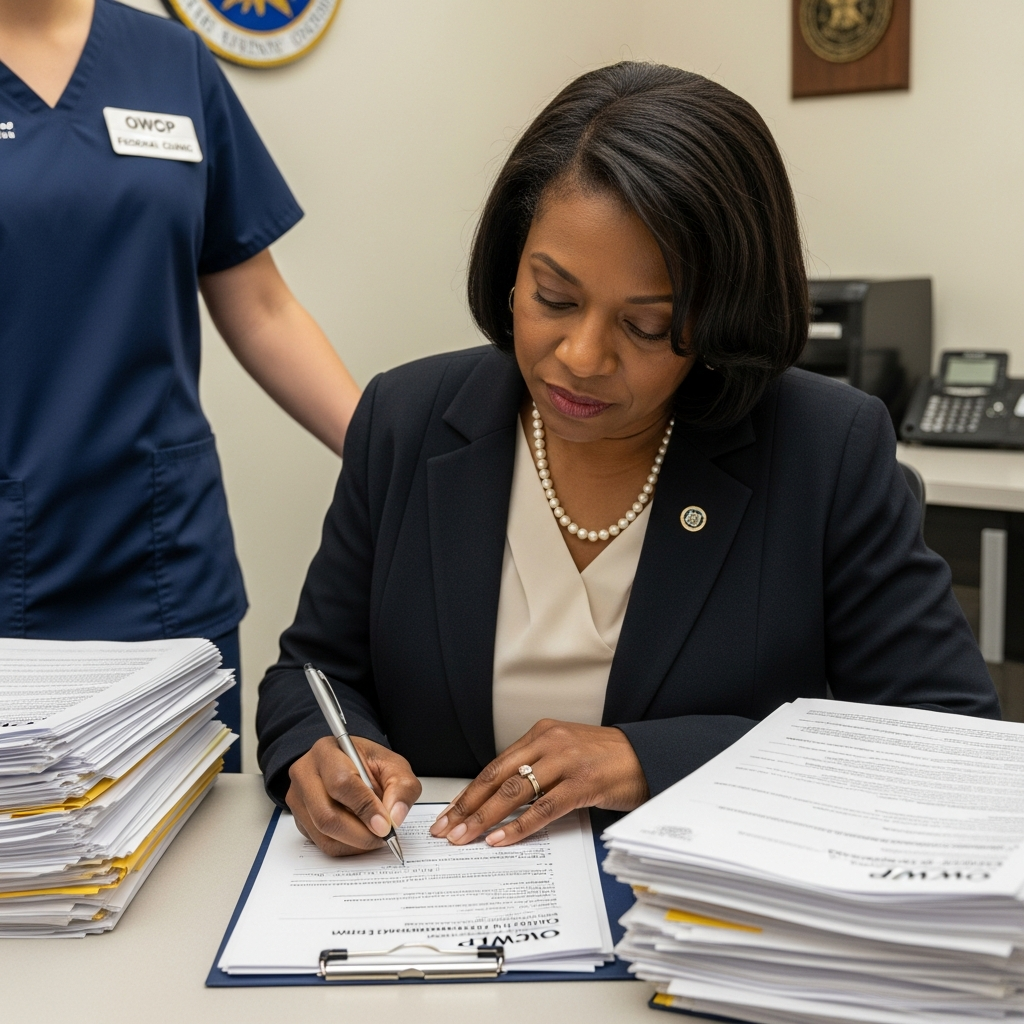
You’re rushing to catch the Metro after a long day at the federal building when it happens – your foot catches the edge of that loose carpet tile everyone’s been complaining about for months. Down you go, ankle twisted, papers scattered everywhere. As you sit there on the cold floor, wincing in pain, your first thought probably isn’t about paperwork. But here’s the thing… it should be one of your next thoughts.
Because what happens in the hours and days following a workplace injury can make or break your ability to get the medical care and compensation you deserve. And if you’re a federal employee, you’re dealing with a whole different beast than your friends in the private sector. Welcome to the world of OWCP – the Office of Workers’ Compensation Programs – where good intentions meet bureaucratic reality.
I’ve seen too many federal workers stumble through this process (pun intended), thinking they can figure it out as they go. They’ll mention their injury to their supervisor in passing, maybe see a doctor, and assume everything will work itself out. Then, weeks later, they’re drowning in denied claims, medical bills they thought would be covered, and forms they’ve never heard of but apparently should have filed yesterday.
Here’s what nobody tells you when you start working for the federal government – getting injured on the job isn’t just about healing. It’s about navigating a paper trail that would make a tax attorney weep. The OWCP system has specific forms for specific situations, and missing one… or filing the wrong one… or filing the right one at the wrong time? Well, that’s how claims get delayed, denied, or lost in the federal equivalent of limbo.
Think of OWCP forms like a recipe for a really complicated dish – you can’t just throw ingredients together and hope for the best. You need the right forms, in the right order, with the right information. Skip a step or use the wrong form, and your whole claim could fall apart faster than a house of cards in a government office with poor air circulation.
But here’s the good news – once you understand which forms you need and when to use them, the process becomes much more manageable. It’s still bureaucratic (this is the federal government we’re talking about), but at least you’ll know what you’re dealing with.
You’ve got immediate reporting forms that need to be filed right after an injury happens – think of these as your emergency paperwork. Then there are claim forms that officially get your case started in the OWCP system. Medical forms that ensure your doctors get paid and you get proper treatment. And ongoing forms for things like continued disability, returning to work, or changing your medical care.
The tricky part? Different types of injuries and situations require different combinations of forms. A slip and fall like our Metro scenario needs different paperwork than, say, repetitive stress from years of data entry. An injury that keeps you out of work for a day requires different forms than one that has you out for months. And don’t get me started on occupational illnesses – those have their own special circle of paperwork hell.
What really gets people in trouble is timing. Some forms have strict deadlines that can’t be extended, no matter how compelling your excuse. Others need to be filed in sequence – you can’t submit Form B until Form A has been processed, but if you wait too long between them, you might have to start over.
I know, I know – this all sounds overwhelming. You’re probably thinking, “Great, I’m injured AND I need to become a forms expert?” But stick with me here. Understanding this system upfront can save you months of frustration, thousands of dollars in medical bills that should be covered, and the kind of stress that makes your injury hurt even more.
In the next sections, we’re going to break down exactly which forms you need, when you need them, and how to avoid the most common mistakes that trip up federal employees. We’ll talk about what happens if you miss deadlines, how to work with your supervisor and HR, and what to do when the system seems designed to confuse rather than help.
Because here’s the truth – you deserve proper care and compensation when you’re injured serving the public. You just need to know how to ask for it in the language the system understands.
The Federal Worker’s Safety Net – How It Actually Works
Think of OWCP (Office of Workers’ Compensation Programs) as your workplace insurance policy’s more bureaucratic cousin. You know how your car insurance kicks in after a fender bender? Well, OWCP does something similar when you get hurt on the job as a federal employee – except instead of a quick phone call and a claims adjuster, you’re dealing with… well, let’s just say there are forms. Lots of forms.
Here’s the thing that trips up most people: OWCP isn’t just one program. It’s actually like a umbrella organization that handles different types of federal workers. Federal employees fall under FECA (Federal Employees’ Compensation Act), but there’s also coverage for longshoremen, coal miners, and energy workers. It’s kind of like how “insurance” covers everything from your health to your home – same concept, different specifics.
Why All These Forms Exist (And Why They Matter)
I’ll be honest – the paperwork can feel overwhelming at first. You’re already dealing with an injury, maybe you’re in pain, possibly worried about your job… and then someone hands you a stack of forms that look like they were designed by someone who really, really loves bureaucracy.
But here’s the deal: each form serves a specific purpose in building your case. Think of it like documenting a car accident – you need the police report, photos, insurance info, witness statements. OWCP forms work similarly, except instead of proving who ran the red light, you’re establishing that your injury happened at work and qualifies for benefits.
The forms aren’t there to make your life difficult (though I know it can feel that way). They’re actually protecting you – creating a paper trail that ensures you get the medical care and compensation you deserve. Without proper documentation, even the most legitimate claim can get stuck in bureaucratic limbo.
The Three Pillars of OWCP Claims
Every OWCP claim rests on three basic foundations – and understanding these will make the forms make more sense (or at least feel less random).
First, you need to establish the injury. This means proving what happened, when it happened, and how severe it is. Some forms focus entirely on this – getting your version of events, your supervisor’s account, medical documentation. It’s like building a timeline that shows “here’s where everything went wrong.”
Second, you need to connect the injury to your job. This is where things can get tricky. Slipping on ice in the office parking lot? Probably covered. Hurting your back while lifting boxes at work? Definitely covered. But what about that repetitive stress injury that developed over months, or the heart attack that happened during a particularly stressful meeting? These situations require more documentation – forms that trace the connection between your work environment and your health issue.
Third, you need to quantify the impact. How has this injury affected your ability to work? What medical treatment do you need? Will you be out for a week or a year? Different forms capture different aspects of this impact, from immediate medical needs to long-term disability considerations.
When Time Actually Matters (And When It Doesn’t)
Here’s something that confuses everyone: OWCP has different deadlines for different things, and they’re not always intuitive. You’ve got 30 days to report most injuries to your supervisor – that’s pretty straightforward. But you have up to three years to file a formal claim for compensation or medical benefits.
Wait, what? Yep, you read that right. You can report an injury immediately but wait years to file for benefits. It’s like… well, it’s not like anything else I can think of, which is probably why it’s so confusing.
The key thing to remember is that reporting and filing are different steps. Think of reporting as saying “hey, something happened” and filing as saying “here’s my official request for help.” Most people do both at the same time, but you don’t have to.
The Reality of Federal Injury Claims
Look, I’m not going to sugarcoat this – OWCP claims can take time. Sometimes a lot of time. The system handles thousands of claims, and federal agencies aren’t exactly known for their lightning-fast processing speeds. But that doesn’t mean you’re powerless.
Understanding which forms do what – and when to submit them – can actually speed things up considerably. It’s the difference between throwing everything at the wall and hoping something sticks, versus strategically building a solid case that’s hard to deny.
Getting Your Paperwork Battle-Ready: The Setup That Actually Matters
Look, I’m going to be straight with you – OWCP forms aren’t just bureaucratic hoops to jump through. They’re your lifeline when you’re dealing with a federal injury claim, and honestly? Most people mess this up because they treat it like filling out a magazine subscription card.
Here’s what nobody tells you: timing is everything. You’ve got 30 days to file that CA-1 (traumatic injury) or CA-2 (occupational disease), but don’t you dare wait until day 29. I’ve seen claims get tangled up in red tape simply because someone filed on a Friday afternoon when the processing office was already mentally checked out for the weekend.
Get your forms in by Wednesday, mid-morning if possible. It sounds neurotic, but trust me on this one.
The Devil’s in the Details – And Your Doctor’s Handwriting
Your CA-16 (Authorization for Examination and/or Treatment) is going to be your best friend or your worst nightmare, depending on how you handle it. This little piece of paper determines whether OWCP pays for your medical care upfront or whether you’re stuck playing the reimbursement waiting game.
Here’s the insider secret: don’t just hand this form to any doctor. Find a physician who’s dealt with federal workers’ comp before. They know the magic words that OWCP wants to see. Regular doctors? They might write “patient reports back pain” when what OWCP needs to hear is “acute lumbar strain directly related to workplace incident of [specific date].”
The difference between those two phrases? About six months of claim processing time.
Documentation That Actually Moves the Needle
Remember that CA-7 (Claim for Compensation) you’ll need to file for time loss? Don’t just scribble down “hurt back, couldn’t work.” OWCP processors are looking for specific functional limitations. Instead, write something like: “Unable to lift, bend, or sit for extended periods due to acute pain radiating from L4-L5 region, preventing performance of normal GS-12 administrative duties.”
See the difference? You’re painting a picture they can actually work with.
And about those witness statements on your CA-1… this is where people get lazy. “John saw me fall” isn’t going to cut it. What you want is: “John Smith, Mail Clerk, Employee ID #123456, witnessed me slip on water near the loading dock at approximately 2:15 PM on March 15, 2024, resulting in immediate lower back pain and inability to stand without assistance.”
The Follow-Up Game That Nobody Warns You About
Here’s something that’ll save you months of headaches: create a simple tracking system. I’m talking about a basic spreadsheet with columns for form type, date submitted, confirmation numbers, and follow-up dates.
OWCP moves slowly – glacially slow sometimes – but they move faster when they know you’re paying attention. Call every two weeks (not every day, you’ll just irritate them) and always ask for a reference number. Write it down. Use it next time you call.
When Things Go Sideways – And They Might
If your claim gets denied (and about 20% do initially), don’t panic. That CA-7A (Claim for Continuing Compensation) might be your ticket back in. But here’s the thing – you can’t just resubmit the same information and expect different results.
This is when you need new medical evidence, additional witness statements, or sometimes just better wording of the same facts. Think of it like explaining something to your stubborn uncle who wasn’t listening the first time… you need a different approach.
The Final Reality Check
Look, dealing with OWCP forms feels like learning a foreign language while blindfolded. But here’s what I want you to remember: every form you file correctly the first time saves you weeks of back-and-forth later. Every detail you include upfront is one less question they’ll ask you six months from now when you’ve forgotten half the specifics.
Take the extra hour to do it right. Your future self – the one dealing with medical bills and wondering when that compensation check is coming – will thank you for it.
And hey, if you’re feeling overwhelmed? That’s normal. This stuff is complicated by design. Just take it one form at a time, and don’t be afraid to ask for help when you need it.
The Paperwork Shuffle That Trips Everyone Up
Look, let’s be real about something – even the smartest people get tangled up in OWCP paperwork. You might be a rocket scientist (literally, if you work for NASA), but these forms can make you feel like you’re trying to solve calculus with a crayon.
The biggest headache? Getting the timing right. You’ve got 30 days to file your CA-1 or CA-2, but here’s the thing nobody tells you – that clock starts ticking from when you first knew (or should have known) your injury was work-related. Not when you finally admitted to yourself that yes, your back really is messed up from that lifting incident three weeks ago.
I’ve seen people panic because they think they missed the deadline, when actually… they haven’t. If you’re dealing with something like carpal tunnel that developed gradually, the 30-day period might start from when a doctor first connected it to your work duties. It’s not always crystal clear, which brings us to the next challenge.
When Medical Evidence Goes Missing
Here’s what happens more often than you’d think – you file your initial claim, everything seems fine, then BAM. OWCP comes back asking for more medical documentation. Sometimes it’s because your doctor’s report was too vague (doctors, bless them, don’t always speak “workers’ comp”). Other times, it’s because there’s a gap in your medical timeline that’s raising red flags.
The solution isn’t just getting more paperwork. You need the *right* paperwork. Your doctor needs to clearly state
– What your specific injury or condition is – How it relates to your work duties – When it likely occurred or developed – What limitations it’s causing
Think of it like building a bridge – each piece of medical evidence needs to connect logically to the next. If your doctor just says “patient has back pain,” that’s… not a bridge. That’s a plank floating in the water.
The Witness Testimony Maze
Oh, this one’s tricky. You need witness statements for your CA-1, but who qualifies as a witness? Your work buddy who saw you fall? Absolutely. Your supervisor who found you clutching your wrist after the accident? Perfect. Your spouse who you called crying about the incident? Well… that’s where things get murky.
OWCP wants witnesses who actually saw what happened or observed the immediate aftermath. Your family members can provide statements about how the injury has affected you, but they won’t carry the same weight for establishing that the incident actually occurred at work.
Pro tip: Don’t wait until you’re filling out forms to think about witnesses. Right after an incident – when your head’s still spinning and you’re focused on the pain – jot down who was around. Because trust me, three weeks later when you’re staring at that witness section, your memory’s going to be… fuzzy.
Lost in the Administrative Black Hole
Here’s something that’ll make you want to scream into a pillow – OWCP processes thousands of claims, and sometimes (okay, more than sometimes) things get lost, misfiled, or stuck in some bureaucratic limbo. You send in your forms, then… crickets. For weeks.
The solution isn’t just sitting and hoping. Keep copies of everything. Not just the forms you send, but the certified mail receipts, the dates you called, the names of people you spoke with. Create your own paper trail because – and I cannot stress this enough – if there’s no record of it from your end, it didn’t happen in OWCP’s world.
Consider sending important documents via certified mail with return receipt. Yes, it costs a few extra bucks, but it’s cheaper than having your claim delayed by months because something “never arrived.”
The Supervisor Signature Struggle
Nothing quite prepares you for asking your supervisor to sign forms acknowledging that yes, you got hurt on their watch. Some supervisors are helpful. Others… well, let’s just say they suddenly develop selective hearing when you mention workers’ compensation.
If your supervisor is being difficult, document everything. Email them requesting the signature (creates a timestamp), and if they refuse, note that on your forms. You can still submit your claim – their signature helps, but it’s not always a deal-breaker.
Remember: Your supervisor’s reluctance doesn’t invalidate your injury. It just means you might need to provide more evidence elsewhere to strengthen your case.
The whole process feels overwhelming because… honestly? It kind of is. But breaking it down piece by piece, staying organized, and knowing what actually matters versus what just feels important – that’s how you get through it.
What to Expect During the Claims Process
Let’s be honest – filing an OWCP claim isn’t exactly a quick coffee break activity. The whole process typically takes anywhere from several weeks to several months, and sometimes… well, sometimes longer. I know that’s probably not what you wanted to hear, especially when you’re dealing with pain and possibly missing work.
Here’s the thing though – most of the waiting isn’t because anyone’s dragging their feet. OWCP has to review medical records, verify employment details, and sometimes get additional opinions from doctors. Think of it like getting a mortgage approved… there are just a lot of moving pieces that have to align.
In the first few weeks after you submit your forms, you’ll likely get an acknowledgment letter. Don’t panic if it takes 2-3 weeks – that’s totally normal. The letter will include your case number (write this down somewhere safe!), and it might ask for additional documentation. Actually, it probably will ask for more stuff. That’s just how these things go.
The Approval Timeline Reality Check
If your case is straightforward – like you clearly injured yourself at work and have solid medical documentation – you might see a decision in 6-8 weeks. But “straightforward” cases aren’t as common as we’d all like them to be.
More complex cases, especially those involving occupational illnesses or injuries that developed over time, can take 3-6 months or even longer. I’ve seen cases where someone had to wait nearly a year, though that’s definitely on the longer end of things. Usually, those delays happen when there are questions about whether the injury is work-related or when additional medical evaluations are needed.
The waiting is honestly the hardest part – especially when you’re not sure if you’ll be approved and you’re potentially dealing with medical bills piling up. If you’re in this boat, don’t hesitate to contact OWCP for status updates. You’re not being a pest; you’re advocating for yourself.
Staying on Top of Your Claim
Once you’ve submitted everything, your job isn’t completely done. OWCP might request additional information, and when they do, responding quickly can really help speed things along. Keep copies of everything you send – and I mean everything. That random receipt for parking at the doctor’s office? Keep it. You never know what might be relevant later.
If OWCP requests a second opinion or an independent medical examination, don’t view this as a bad sign. It’s actually pretty routine, especially for certain types of injuries. Think of it as their way of getting a complete picture rather than them doubting your claim.
You should also keep your supervisor and HR department in the loop about your claim status. They need to know if you’re going to be out longer than initially expected, and they might have additional forms or processes on their end too.
When Things Don’t Go as Planned
Sometimes claims get denied initially, and that can feel devastating. But here’s something important to know – a denial doesn’t necessarily mean “case closed forever.” You have the right to request a hearing or submit additional evidence. Many initially denied claims are eventually approved after providing more documentation or clarification.
The most common reasons for denial? Incomplete forms, insufficient medical evidence linking the injury to work, or missed deadlines. If you get denied, take a deep breath and carefully read the denial letter. It should explain exactly why your claim wasn’t approved, which gives you a roadmap for what to address in your appeal.
Moving Forward with Confidence
While you’re waiting for your claim to be processed, focus on following your doctor’s treatment plan and keeping detailed records of everything related to your injury. This includes time off work, medical appointments, and how the injury affects your daily activities.
Don’t be afraid to ask questions if something doesn’t make sense. OWCP staff are there to help, even though they might seem overwhelmed sometimes (because, honestly, they usually are). If you’re not getting clear answers, consider reaching out to your union representative if you have one, or even consulting with an attorney who specializes in federal workers’ compensation.
Remember – you’re not asking for a handout here. You were injured while serving the public, and you deserve proper care and compensation. The process might be slower than you’d like, but persistence usually pays off.
You know, dealing with federal injury paperwork can feel like trying to solve a puzzle where half the pieces are missing – and honestly, that’s exactly what it is sometimes. Between the CA-1s, CA-2s, medical reports, and witness statements, it’s easy to feel overwhelmed. But here’s the thing… you don’t have to figure this out alone.
The most important thing to remember? You have rights as a federal employee. Whether you twisted your ankle stepping off a loading dock or developed carpal tunnel from years at your desk, OWCP exists specifically to help you. Sure, the forms can be intimidating – I get it. That stack of paperwork sitting on your kitchen table isn’t exactly screaming “easy weekend project.”
But take a breath. Most of these forms are more straightforward than they appear at first glance. The CA-1 for sudden injuries? It’s really just telling your story in a structured way. The CA-2 for occupational diseases? Same concept, different timeline. And those medical reports that seem so formal and scary? Your doctor deals with them all the time.
Actually, that reminds me – one thing I’ve noticed over the years is how much easier this process becomes when you approach it step by step. You don’t need to complete everything in one marathon session. Fill out what you can today, gather the medical records tomorrow, track down that witness statement next week. Rome wasn’t built in a day, and your claim doesn’t have to be either.
The real key is understanding that each form serves a specific purpose in protecting your interests. That witness statement might feel unnecessary, but it could be the detail that makes your claim rock-solid. Those medical records that seem repetitive? They’re building a complete picture of how your injury affects your daily life and work capacity.
And let’s be honest – sometimes you need someone in your corner who speaks “government paperwork” fluently. Someone who knows exactly which boxes to check, which doctors provide the most comprehensive reports, and how to present your case in the strongest possible light. Because while OWCP forms might be standardized, every injury is unique. Your situation deserves individual attention.
If you’re sitting there feeling stuck, frustrated, or just plain overwhelmed by the whole process… that’s completely normal. You’re not alone in this, and you certainly don’t have to navigate it solo. Whether you’re just starting your claim or feeling bogged down somewhere in the middle, getting the right guidance can make all the difference.
We understand how isolating an injury can feel – especially when it’s compounded by confusing paperwork and uncertain timelines. That’s why we’re here. Not to add pressure or push you toward any particular decision, but simply to offer support if and when you need it.
Ready to get some clarity on your specific situation? Give us a call. No complicated intake process, no pressure – just real people who understand federal injury claims and genuinely want to help you move forward. Sometimes all it takes is one conversation to turn that overwhelming pile of forms into a manageable plan.
Your recovery matters. Your claim matters. And you deserve support through every step of this process.