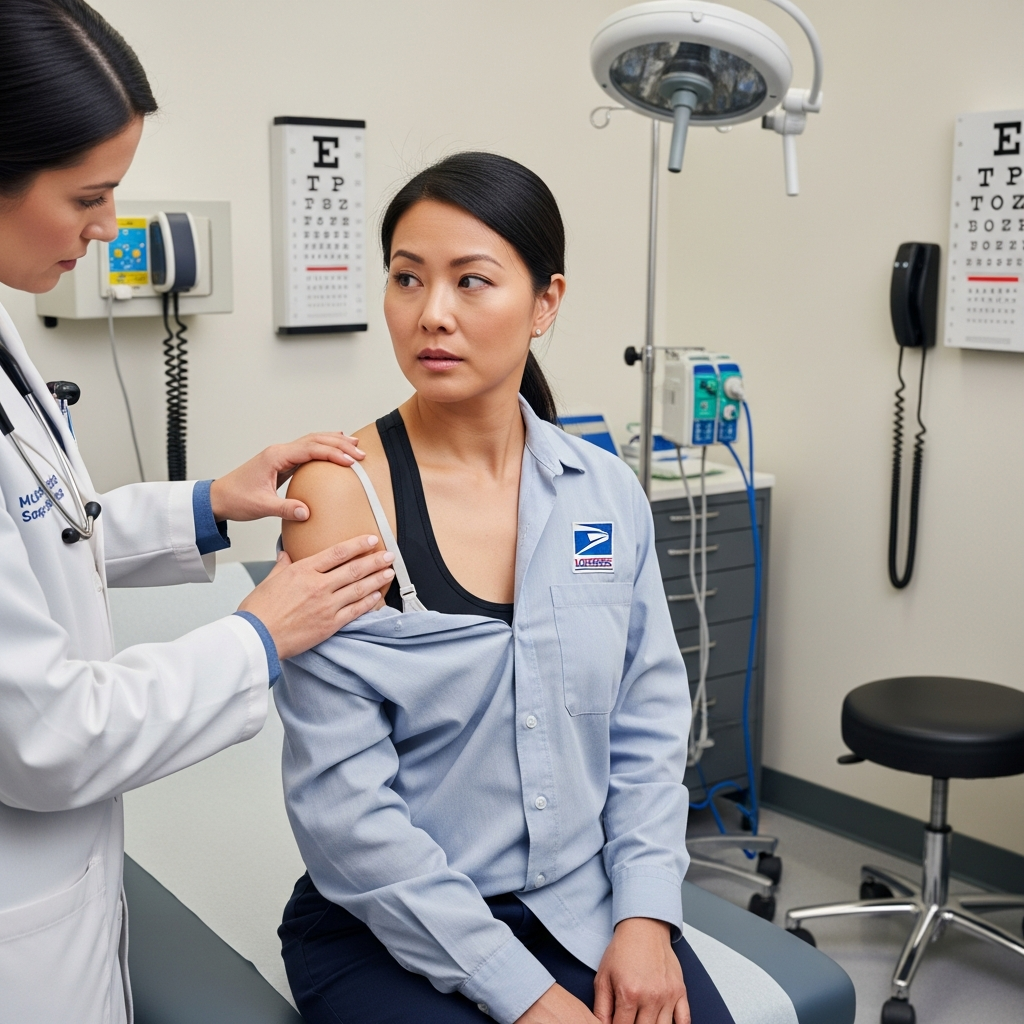
6 Reasons to Visit OWCP Clinics After a Car Wreck Injury
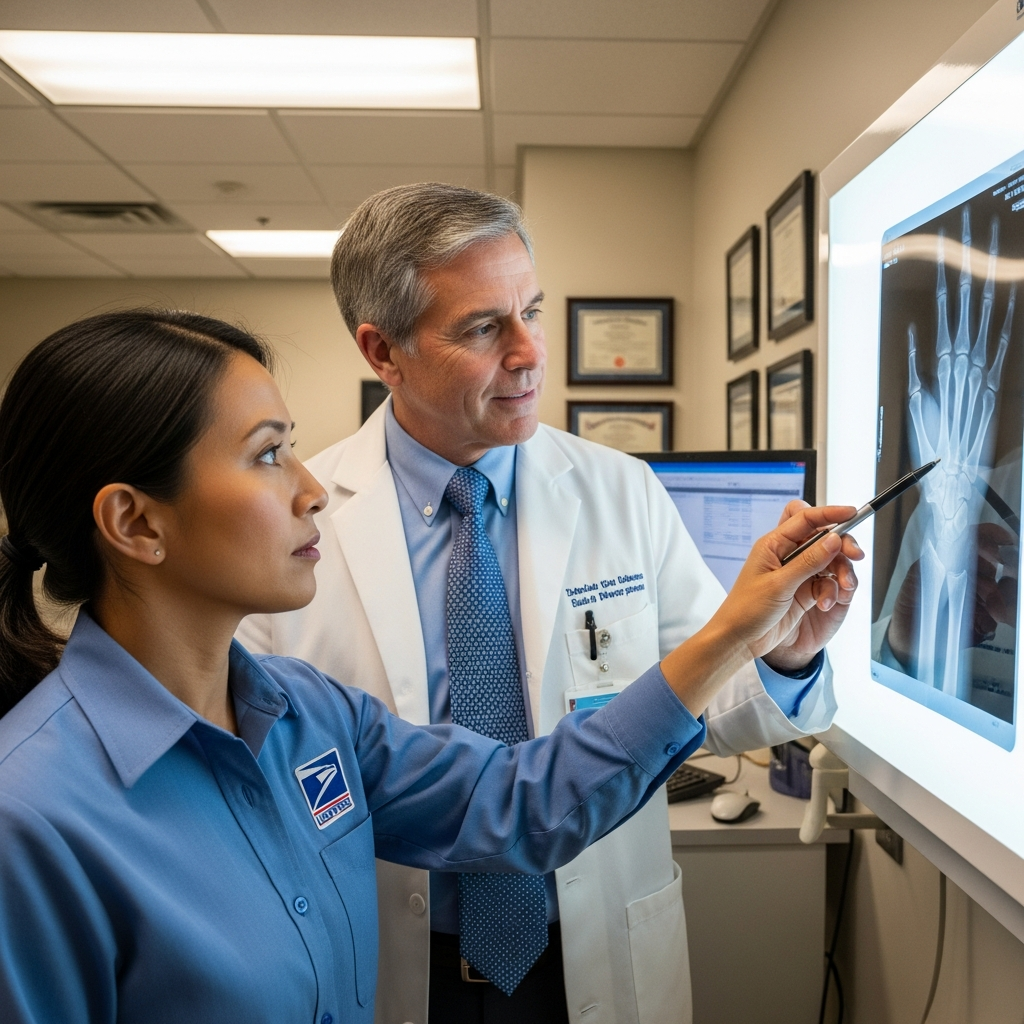
The traffic light turned red just a split second too late. Or maybe you were checking your phone for just one second – we’ve all been there. That sickening crunch of metal, the jolt that seems to rattle every bone in your body, the sudden silence afterward where time feels suspended…
Sound familiar? If you’re reading this, chances are you’ve recently had that stomach-dropping moment when your ordinary Tuesday morning became anything but ordinary. Maybe you walked away from the accident feeling surprisingly okay, thinking you dodged a bullet. Your car might be dented, sure, but *you’re* fine, right? You can move everything, nothing’s obviously broken, and honestly – you just want to get home and pretend this whole mess never happened.
Here’s the thing, though… and I wish someone had told me this years ago when I rear-ended a pickup truck in stop-and-go traffic. Your body is incredibly good at masking injury in those first few hours. Adrenaline is coursing through your system like nature’s own painkiller, and your fight-or-flight response is working overtime to keep you functional. It’s actually pretty amazing – until it’s not.
Three days later, I could barely turn my head without wincing. My lower back felt like I’d been doing construction work in my sleep, and those headaches? They came out of nowhere and stuck around like unwelcome houseguests. Suddenly, that “minor fender bender” didn’t feel so minor anymore.
If this story sounds even remotely familiar – maybe you’re dealing with mysterious aches that showed up days after your accident, or you’re starting to worry about symptoms that seem to be getting worse instead of better – you’re definitely not alone. And more importantly, you’re not being dramatic or oversensitive. Car accidents, even seemingly minor ones, can wreak havoc on your body in ways that aren’t immediately obvious.
You know what’s particularly frustrating? The whole workers’ compensation maze you’re probably trying to navigate right now. OWCP – the Office of Workers’ Compensation Programs – handles federal employee injuries, and if your car accident happened while you were on the job (driving between work sites, running work errands, even commuting in some cases), you might be dealing with their system right now.
And let me tell you, trying to figure out OWCP requirements while you’re dealing with pain, insurance calls, and probably missing work? It’s like trying to solve a puzzle while someone’s shining a flashlight in your eyes. The paperwork alone can make your head spin – which, ironically, might actually be from that concussion you didn’t realize you had.
Here’s what I’ve learned from talking to countless people who’ve been exactly where you are right now: the decisions you make in these first few weeks after your accident can literally change the trajectory of your recovery. Not to put pressure on you or anything… but the difference between getting proper treatment early and waiting it out can mean the difference between feeling like yourself again in a few months versus dealing with chronic pain for years.
That’s where OWCP-authorized clinics come in. These aren’t your typical medical facilities – they’re specifically designed to work within the federal workers’ compensation system, which means they understand the unique requirements, paperwork, and approval processes that can make or break your case. Think of them as bilingual translators who speak both “medical” and “bureaucratic paperwork.”
But beyond just navigating the administrative nightmare, these clinics offer something else that’s pretty crucial: they actually understand car accident injuries. They’ve seen the delayed-onset whiplash, the subtle brain injuries that don’t show up on initial scans, the way your body compensates for one injury by creating problems somewhere else entirely.
In the next few minutes, we’re going to walk through six specific reasons why visiting an OWCP clinic after your car accident might be one of the smartest moves you make during this whole ordeal. We’ll talk about everything from ensuring your injuries are properly documented (trust me, this matters more than you think) to getting access to specialized treatments that can actually address the root cause of your pain – not just mask it with prescriptions.
Ready to take back some control over this situation?
What Actually Happens to Your Body During a Car Crash
You know that moment right after impact when everything feels… weird? Like you’re fine, but also not fine? There’s actually a scientific reason for that strange disconnect.
When your car suddenly stops but your body keeps moving – that’s physics in the most unpleasant way possible. Think of it like this: imagine you’re carrying a tray of drinks and someone suddenly grabs the tray. The glasses keep sliding forward even though the tray stopped. Your spine, muscles, and joints? They’re those glasses.
The thing is, adrenaline is basically nature’s painkiller and shock absorber rolled into one. It’s incredibly good at its job – maybe too good. You might walk away feeling oddly energetic, even euphoric, while your soft tissues are quietly developing what will become tomorrow’s (or next week’s) very real pain.
Why “I Feel Fine” Doesn’t Mean You Are Fine
Here’s where it gets counterintuitive… and honestly, a bit unfair. Some of the most serious car accident injuries are the ones you can’t see or feel immediately. We’re talking about soft tissue damage, micro-tears in muscles, ligaments that got stretched just a little too far.
I’ve seen people who felt completely normal for days after their accident, then suddenly couldn’t turn their head without wincing. Others who developed headaches three weeks later that turned out to be related to neck trauma they didn’t even know they had.
Your body is remarkably good at compensation. When something hurts, other parts automatically adjust to protect the injured area. It’s like when you sprain your ankle – without thinking about it, you start walking differently, which can eventually make your hip or back sore. After a car accident, this compensation game can get pretty complex pretty quickly.
The OWCP System: Your Safety Net After Work-Related Accidents
If your car accident happened while you were working – driving to a client meeting, running company errands, even commuting in some cases – the Office of Workers’ Compensation Programs has your back. And honestly? It’s one of those government programs that actually works pretty well when you understand how to use it.
OWCP covers federal employees, but each state has similar workers’ compensation systems for private sector workers. Think of it as specialized insurance that kicks in when regular health insurance might leave you hanging. Because here’s the thing about car accident injuries: they often require specialized care that goes way beyond what your typical family doctor can handle.
The Treatment Timeline Nobody Talks About
Here’s what I wish someone had told me earlier in my career: car accident recovery isn’t linear. It’s not like recovering from the flu where you feel progressively better each day. Recovery from crash injuries looks more like… well, like a bumpy road (sorry, couldn’t resist).
You might feel great on Tuesday and terrible on Wednesday. Physical therapy might seem to help, then you’ll have a setback. Some people see improvement in weeks; others need months. This isn’t a character flaw or a sign that you’re “not trying hard enough” – it’s just how these injuries work.
That’s actually why OWCP clinics can be so valuable. They understand this timeline. They’re not going to rush you back to work before you’re ready or act surprised when your “simple whiplash” turns out to be more complicated than anyone initially thought.
Why Regular Doctors Sometimes Miss the Mark
Your family doctor is probably wonderful. They might have saved your life, delivered your kids, or helped you through a dozen health challenges. But car accident injuries? They’re kind of their own specialty.
It’s like asking your general contractor to rewire your house. Sure, they understand construction, but you probably want an electrician for the electrical work. Car crash injuries often involve complex interactions between multiple body systems – your nervous system, musculoskeletal system, sometimes even your cognitive function if there was any head trauma involved.
OWCP clinics typically have doctors who see these specific types of injuries all day, every day. They know what to look for, what questions to ask, and – perhaps most importantly – what red flags might indicate something more serious is going on.
Plus, they understand the paperwork. And trust me, after a work-related car accident, there’s going to be paperwork.
Getting There When You Can Barely Move
Look, I get it – the last thing you want to do after a car accident is drive somewhere else. But here’s what most people don’t realize: many OWCP clinics offer transportation assistance or can connect you with services that do. Call ahead and ask. Some even have partnerships with ride services specifically for injured workers.
If you’re driving yourself (and honestly, you probably shouldn’t if you’re in significant pain), bring someone with you. Not just for support – though that’s huge – but because you’re going to get a lot of information, and your brain might still be in shock mode. Having an extra set of ears can be the difference between remembering important instructions and… well, not.
What to Bring – The Stuff They Don’t Tell You
Obviously bring your ID and insurance cards. But here’s the insider scoop: create a simple timeline of your accident before you go. Write down what happened, when it happened, and how you felt immediately after versus now.
Your body does weird things after trauma – adrenaline masks pain, then everything hits you 24-48 hours later. That timeline becomes crucial documentation. I’ve seen cases where someone felt “fine” at the scene but couldn’t lift their arm three days later. That progression matters.
Also? Take photos of any visible injuries, even minor ones. Your phone’s timestamp will be important later. Bruises develop and change – what looks like nothing today might be significant evidence of impact tomorrow.
The Questions You Should Actually Ask
Don’t just sit there and nod when the doctor talks. This isn’t your regular checkup where you’re trying to get out quickly. Ask specific questions that protect your future self
“How long should I expect this pain to last?” “What warning signs should send me back here immediately?” “Will this affect my ability to work long-term?” “Should I be doing anything specific at home, or avoiding certain activities?”
Here’s one most people miss: “Can you document exactly what areas we discussed today?” Some symptoms take time to connect to your accident. Having detailed records from early visits can be crucial if you develop complications weeks later.
Working with Your Employer (Without Making Enemies)
This is where things get tricky. You need medical care, but you also need to keep your job. The key is communication – but smart communication.
Report your accident immediately, even if you feel okay at first. I can’t stress this enough. Some companies have strict reporting windows, and missing them can complicate everything. When you do report it, stick to facts: “I was in a car accident on [date] and am experiencing [symptoms]. I’m seeking medical evaluation to ensure there are no complications.”
Don’t downplay your symptoms to seem tough, but don’t dramatize either. Just be honest about what you’re experiencing. If your employer pushes back on OWCP clinic visits, remind them (politely) that this is about ensuring you can continue to work safely and effectively.
Managing the Paperwork Avalanche
Here’s something nobody warns you about – the paperwork will multiply like rabbits. Start a simple filing system immediately. One folder for medical records, one for correspondence with your employer, one for insurance communications.
Keep copies of everything. And I mean everything. That form you filled out that seemed unimportant? Copy it. The receipt from your clinic visit? File it. Your phone records showing when you called to report the accident? Save them.
Consider using your phone to photograph documents before filing them. Cloud storage becomes your backup system, and trust me – you’ll thank yourself later when someone asks for documentation you thought you’d never need again.
The Follow-Through That Actually Matters
Here’s what separates people who recover well from those who struggle for months: consistent follow-through. If your OWCP provider recommends physical therapy, go. If they want to see you in two weeks, don’t wait three.
But here’s the secret sauce – keep a daily pain and symptom log. Nothing fancy, just a simple note in your phone about how you’re feeling, what activities were difficult, what helped. This becomes invaluable documentation if your case becomes complicated.
And please, actually do the exercises they give you. I know they seem simple or boring, but there’s science behind every movement they prescribe. Your future mobility – and potentially your livelihood – might depend on those “silly” stretches you’re doing in your living room.
The Insurance Maze That Makes Your Head Spin
Let’s be real – dealing with workers’ compensation insurance after a car accident while on the job feels like trying to solve a Rubik’s cube blindfolded. You’re already hurting, probably stressed about work, and now you’ve got insurance adjusters asking you questions that sound like they’re speaking another language.
The biggest trap? Thinking you can figure this out on your own. I’ve seen too many people try to be the hero, assuming they’ll just “tough it out” or that their regular doctor visit will somehow magically coordinate with workers’ comp requirements. Spoiler alert: it won’t.
Your solution: Get to an OWCP clinic within the first 24-48 hours if possible. These clinics speak fluent workers’ compensation – they know exactly which forms need to be filed, which codes to use, and how to document everything so your claim doesn’t get stuck in bureaucratic quicksand. Think of them as your insurance translator.
When Your Boss Gets Weird About It
Here’s something nobody warns you about – sometimes employers get… let’s call it “concerned” when you mention filing a workers’ comp claim. Maybe they start asking leading questions about whether you were really following safety protocols. Maybe they suggest you just use your regular health insurance instead. Maybe they hint that it would be “easier for everyone” if you didn’t make a big deal out of it.
This awkwardness can make you second-guess yourself, especially when you’re already vulnerable from the accident. You might think, “Well, maybe it wasn’t that serious…” or “I don’t want to cause trouble.”
Your solution: Document everything. Every conversation, every suggestion, every weird look. And remember – using workers’ compensation isn’t doing anyone a favor or causing trouble. It’s literally what the system is designed for. OWCP clinics have seen this dance before, and they can often provide guidance on handling workplace pressure while protecting your rights.
The “It Doesn’t Hurt That Bad” Trap
Adrenaline is sneaky. Right after an accident, you might feel okay – maybe a little shaken up, but nothing major. So you wave off medical attention, tell everyone you’re fine, and go about your day. Then, 48 hours later, you wake up feeling like you got tackled by a linebacker.
This delay is actually super common with car accident injuries. Your neck doesn’t always scream at you immediately. That headache might not show up until day three. And by then, you’re kicking yourself for not getting checked out right away.
Your solution: Get evaluated even if you feel “mostly fine.” OWCP clinics can do baseline assessments that document your condition immediately after the incident. This isn’t about being dramatic or looking for problems – it’s about creating a clear medical record from day one. Trust me, you’ll thank yourself later.
When Your Regular Doctor Doesn’t Get It
Your family doctor might be amazing at treating your kids’ ear infections and managing your blood pressure, but workers’ compensation? That’s a whole different ballgame. The documentation requirements are specific, the approval processes are complex, and honestly, many general practitioners just don’t deal with workers’ comp often enough to navigate it smoothly.
I’ve watched people get bounced around between offices, told to get pre-authorizations for treatments that should be automatic, or receive bills for services that workers’ comp should have covered. It’s exhausting when you’re trying to heal.
Your solution: Start with specialists who live and breathe workers’ compensation cases. OWCP clinics have the systems in place, the relationships with insurers, and the experience to keep your treatment moving forward without constant roadblocks.
The Guilt Factor Nobody Talks About
Here’s the thing that might hit you out of nowhere – guilt. Guilt about filing a claim. Guilt about taking time off work. Guilt about whether you somehow caused the accident. Guilt about costing your employer money.
This guilt can make you rush back to work before you’re ready, skip follow-up appointments, or minimize your symptoms to everyone – including your healthcare providers. But here’s what I want you to remember: you were injured while doing your job. Taking care of yourself isn’t selfish; it’s necessary.
Your solution: Give yourself permission to heal properly. OWCP clinics often have counselors or social workers who understand the emotional side of workplace injuries. They can help you work through these feelings while ensuring you get the medical care you need. Because honestly? Your employer would rather have you back at 100% than struggling at 60% because you rushed the process.
What to Expect During Your First Visit
Walking into any new clinic can feel overwhelming – especially when you’re already dealing with pain and stress from your accident. Here’s the thing: most OWCP clinics are designed with injured workers in mind, so they’re used to people who are hurting, worried about paperwork, and maybe a little skeptical about the whole process.
Your first appointment will likely be longer than typical doctor visits. We’re talking 45 minutes to an hour, not the usual 15-minute rush job. The provider needs to document everything – and I mean *everything* – about your injuries, how they happened, and how they’re affecting your daily life. Yes, it feels excessive at first, but this documentation becomes crucial later when you’re dealing with workers’ comp claims or insurance disputes.
Bring everything. Seriously. Police reports, photos from the accident scene, any medical records you have, your work schedule, witness statements… even if you think something might be irrelevant. It’s easier to have too much information than to scramble for missing pieces later. And wear comfortable clothes that allow easy movement – you’ll probably need to demonstrate your range of motion or specific limitations.
The Reality of Recovery Timelines
This might be the hardest part to hear, but recovery from car accident injuries rarely follows a neat, predictable timeline. Those minor aches you felt the day after? They might get worse before they get better. That stiff neck could turn into headaches, or shoulder pain, or issues you never saw coming.
Soft tissue injuries – which are incredibly common in car accidents – are notorious for taking their sweet time to heal. We’re talking weeks to months, not days. Your body went through trauma, even if the accident seemed “minor.” Think of it like this: if you accidentally bumped a table and knocked over a glass, you’d see the immediate damage. But your body’s more like a complex house of cards – sometimes the real effects take time to show up.
Most people start feeling some improvement within 2-4 weeks of consistent treatment, but “improvement” doesn’t mean “back to normal.” You might have good days and bad days. That’s not a sign that treatment isn’t working – it’s just how healing happens sometimes.
Building Your Treatment Plan
Here’s where OWCP clinics really shine compared to your typical urgent care visit. Instead of just prescribing pain pills and sending you home with a “wait and see” approach, they’ll actually create a roadmap for getting you back to your normal life.
Your treatment plan might include physical therapy, chiropractic care, massage therapy, or specific exercises you can do at home. Don’t expect to love every part of it – physical therapy can be uncomfortable at first, and those home exercises? Yeah, they’re probably going to feel like homework you don’t want to do.
But stick with it. I’ve seen people rush back to work too early (usually because they’re worried about their job security) only to end up with chronic issues that could’ve been prevented. Your body is literally rebuilding damaged tissue – that takes time and consistent care.
Navigating the Paperwork Maze
Let’s be honest about something nobody warns you about: the paperwork is going to be a nightmare. Workers’ comp claims, insurance forms, medical records requests, employer notifications… it’s enough to make your head spin even when you’re feeling fine.
The good news? OWCP clinics deal with this stuff daily. They know which forms need to go where, what documentation is required, and how to word things so your claim doesn’t get rejected on a technicality. But you’ll still need to stay on top of deadlines and follow up on submitted paperwork.
Keep copies of everything – and I mean physical copies, not just digital files on your phone that might disappear. Create a simple filing system at home. Trust me, three months from now when some insurance adjuster asks for a form you submitted weeks ago, you’ll thank yourself for being organized.
When to Be Concerned (And When Not to Panic)
Some ups and downs are completely normal during recovery. But there are red flags worth mentioning to your provider right away: severe headaches that won’t respond to typical pain relievers, numbness or tingling that spreads or gets worse, significant changes in your sleep patterns, or emotional changes that seem disproportionate to your situation.
Actually, that last one deserves a moment… car accidents are traumatic events, even when they seem minor. It’s completely normal to feel anxious about driving, have trouble sleeping, or feel more emotional than usual. Don’t brush off these symptoms – they’re just as real as physical pain and often respond well to treatment.
Your recovery isn’t just about getting your body back to normal – it’s about getting *you* back to normal.
You know what? When you’re dealing with the aftermath of a car accident, it’s completely normal to feel overwhelmed. Your world just got turned upside down – maybe literally – and suddenly you’re juggling insurance calls, car repairs, work concerns, and oh yeah… that nagging pain in your neck that definitely wasn’t there before.
Here’s the thing though – you don’t have to figure this out alone. And honestly? You shouldn’t try to.
Those aches and pains you’re experiencing right now might seem minor, but your body has this sneaky way of protecting itself initially. It floods you with adrenaline, masks symptoms, basically puts you in survival mode. Then, days or even weeks later, reality sets in. That’s when the real healing needs to begin.
OWCP clinics understand this timeline better than anyone. They’ve seen countless patients who thought they were “fine” only to discover they needed real, targeted care to get back to feeling like themselves again. The difference between getting proper treatment early versus waiting it out? Well, it’s like the difference between fixing a small leak in your roof versus waiting until water damage spreads throughout your house.
But beyond the physical stuff – and this is really important – these clinics get the whole picture. They understand that car accidents aren’t just about bumps and bruises. There’s paperwork to navigate, insurance companies to deal with, work schedules to manage. You’re probably feeling frustrated, maybe a little scared about costs, wondering if you’re making the right decisions…
That’s exactly why specialized care makes such a difference. When you’re working with people who handle accident-related injuries every single day, they know the shortcuts. They speak insurance language. They can help you understand what you’re entitled to, what questions to ask, how to protect yourself both medically and financially.
And here’s something else – recovery isn’t always linear. Some days you’ll feel great, others not so much. Having a healthcare team that expects this, that doesn’t make you feel like you’re being dramatic or weak when symptoms fluctuate… that kind of support is invaluable.
Look, I get it if you’re hesitant. Maybe you’re thinking your regular doctor can handle things, or you’re worried about adding another appointment to your already crazy schedule. But consider this – wouldn’t it feel good to have someone in your corner who truly understands what you’re going through? Someone who can give you a clear roadmap for recovery instead of leaving you guessing about whether this is normal or when you’ll start feeling better?
Your health isn’t something to gamble with, especially when you have options specifically designed for situations exactly like yours.
If any of this resonates with you – if you’re dealing with pain, confusion, or just want someone knowledgeable to take a look and give you honest answers – reaching out doesn’t commit you to anything except getting information. Most OWCP clinics offer consultations where they can explain your options, answer your questions, and help you understand what’s really going on with your body.
You’ve been through enough already. Let someone help carry the load from here.