How DOL Doctors Evaluate Car Accident Injuries
You’re sitting in your car at a red light, maybe checking your phone or thinking about what’s for dinner, when *WHAM* – someone rear-ends you. Your head snaps forward, then back. Your heart’s racing. The other driver’s already out, apologizing profusely, and you’re… well, you’re not sure how you feel.
“I’m fine,” you tell the police officer. “Just a little shaken up.”
But here’s the thing – and this might sound familiar if you’ve been through this before – three days later, you wake up feeling like you got hit by a truck. Again. Your neck’s stiff, your shoulders are screaming, and there’s this weird headache that won’t quit. Suddenly, “I’m fine” doesn’t feel so accurate anymore.
If this scenario hits close to home, you’re definitely not alone. Car accidents are one of those life events that can completely blindside you – not just the crash itself, but everything that comes after. The insurance calls, the paperwork, and most importantly… figuring out what’s actually wrong with your body.
That’s where things get tricky. Your regular doctor might squeeze you in for a quick appointment, maybe prescribe some pain meds, and send you on your way. But car accident injuries? They’re sneaky little things. What feels minor today might become a major problem down the road – literally and figuratively.
This is exactly why DOL (Doctors of Letters) doctors exist, and why understanding how they evaluate car accident injuries could save you months of pain, frustration, and those annoying “what if” moments that keep you up at night.
Now, you might be wondering – what exactly *is* a DOL doctor? Fair question. These are medical professionals who specialize in documenting and treating injuries specifically related to personal injury cases, including car accidents. Think of them as medical detectives who know exactly what to look for when your body’s been through trauma, even when you feel “mostly okay.”
The difference between a regular medical visit and a DOL evaluation is like… well, imagine the difference between a quick oil change and a comprehensive vehicle inspection. Both have their place, but when you need to know what’s really going on under the hood – especially for legal or insurance purposes – you want the thorough approach.
Here’s what makes this whole topic so important for you personally: insurance companies and legal proceedings don’t care about your pain level three months from now. They care about what’s documented *now*. That stiff neck that seems manageable today? If it’s not properly evaluated and recorded, you might find yourself dealing with chronic issues later with zero recourse.
And let’s be honest – most of us don’t know what we don’t know when it comes to injury evaluation. You might think that because you can move your arm normally, everything’s fine. Meanwhile, there could be soft tissue damage brewing that won’t show its full face for weeks. DOL doctors are trained to spot these red flags early.
Throughout this article, we’re going to walk through exactly how these evaluations work – and trust me, it’s more thorough than you might expect. We’ll cover what happens during your first visit (spoiler: it’s way more detailed than “how’s your pain on a scale of 1-10”), the specific tests and assessments they use, and most importantly, how all of this translates into a comprehensive picture of your injuries.
You’ll learn about the timeline that matters most for your evaluation, what documentation you should bring, and how to prepare for the appointment so you get the most accurate assessment possible. We’ll also talk about what red flags DOL doctors look for – those subtle signs that might indicate more serious issues than what’s apparent on the surface.
Because here’s the reality: your body is incredibly good at compensating for injuries in the short term. You might feel “fine” while your muscles are working overtime to protect damaged areas. A good DOL evaluation catches these patterns before they become bigger problems.
Whether you’re dealing with a recent accident or you’re just the type of person who likes to be prepared (hey, knowledge is power), understanding this process can make all the difference in getting the care you need and the documentation that protects your future wellbeing.
What Actually Happens in Your Body During Impact
Think of your body like a smartphone in a case – it looks fine on the outside, but the internal components? That’s where things get tricky. When you’re in a car accident, your vehicle might stop suddenly, but your organs, muscles, and bones keep moving at whatever speed you were traveling. It’s basic physics, really… though your cervical spine didn’t get the memo about Newton’s laws.
The whiplash everyone talks about? That’s just the most obvious player in a much more complex orchestra of potential injuries. Your brain sloshes around inside your skull like soup in a thermos that got dropped. Meanwhile, your ribs might compress, your diaphragm gets confused about its job, and those tiny stabilizing muscles in your spine – the ones you never think about – suddenly become very, very important.
Why Standard Medical Approaches Often Miss the Mark
Here’s where things get frustrating, and honestly, a bit counterintuitive. You’d think any doctor could spot car accident injuries, right? But here’s the thing – emergency room doctors are trauma specialists. They’re looking for broken bones, internal bleeding, immediate threats to life. They’re not necessarily trained to catch the subtle inflammatory cascades or micro-tears in soft tissue that’ll have you feeling like you wrestled a bear three weeks from now.
It’s like asking a cardiac surgeon to troubleshoot your WiFi. Both are brilliant at what they do, but… different skill sets entirely.
Your primary care physician? They’re wonderful for managing your overall health, but car accident injuries exist in this weird gray area between obvious trauma and chronic pain conditions. The symptoms often don’t show up immediately – sometimes not for days or even weeks. By then, you’re dealing with compensation patterns, where your body has started moving differently to protect injured areas, creating new problems on top of the original ones.
The DOL Doctor Difference: Specialized Training Matters
DOL physicians undergo specific training that frankly, most medical schools barely touch on. They understand something called the “kinetic chain” – basically, how one injured area affects everything else in your body. When your neck gets tweaked, it doesn’t just stay there politely. Oh no. It sends ripple effects down through your shoulders, your thoracic spine, sometimes even into your hips.
These doctors also understand the timeline of injury healing in a way that’s… well, it’s almost like they speak a different language. They know that ligament injuries take 6-8 weeks minimum to heal properly (assuming everything goes perfectly, which it rarely does). They understand that muscle guarding – your body’s protective response – can actually prevent proper healing if it goes on too long.
Actually, that reminds me of something important: inflammation. We think of it as the enemy, but initially, it’s your body’s cleanup crew arriving at the scene. The problem comes when that cleanup crew doesn’t get the memo to go home once the initial work is done.
Documentation: More Than Just Paperwork
Here’s where things get really interesting from a legal standpoint – and yes, I know, nobody wants to think about lawyers when they’re in pain. But proper documentation isn’t just about building a case; it’s about creating a roadmap for your recovery.
DOL doctors document everything differently. They’re measuring range of motion in specific degrees, noting exactly which muscles show tension patterns, tracking how your pain levels correlate with different activities. It sounds excessive until you realize this detailed tracking often reveals patterns that lead to more effective treatment.
They also understand something called “maximum medical improvement” – that point where you’ve healed as much as you’re going to heal with current treatment. This isn’t giving up; it’s being realistic about what’s possible and planning accordingly.
The Mind-Body Connection Nobody Talks About
This might sound touchy-feely, but bear with me – trauma affects your nervous system in ways that pure physical medicine sometimes misses. Your body develops what we call “guarding patterns” – basically, you start moving differently to protect injured areas, often without realizing it.
DOL doctors are trained to spot these compensation patterns early, before they become ingrained habits that create new problems. It’s preventive medicine, really… though it requires a level of observation that most healthcare providers simply aren’t trained for.
The goal isn’t just getting you back to baseline – it’s understanding how the accident changed your body’s operating system and helping you adapt accordingly.
What to Expect During Your DOL Medical Evaluation
You’re probably wondering what actually happens when you walk into that examination room. Here’s the thing – DOL doctors follow a pretty specific protocol, but knowing what’s coming can help you present your case more effectively.
First off, they’ll review your medical records before you even arrive. That means any gaps in treatment or delayed medical care will already be on their radar. Don’t try to hide anything – they’ve seen it all before, and honestly? Being upfront about that week you powered through the pain because you “didn’t want to seem dramatic” actually works in your favor. It shows you’re not someone who runs to the doctor for every little thing.
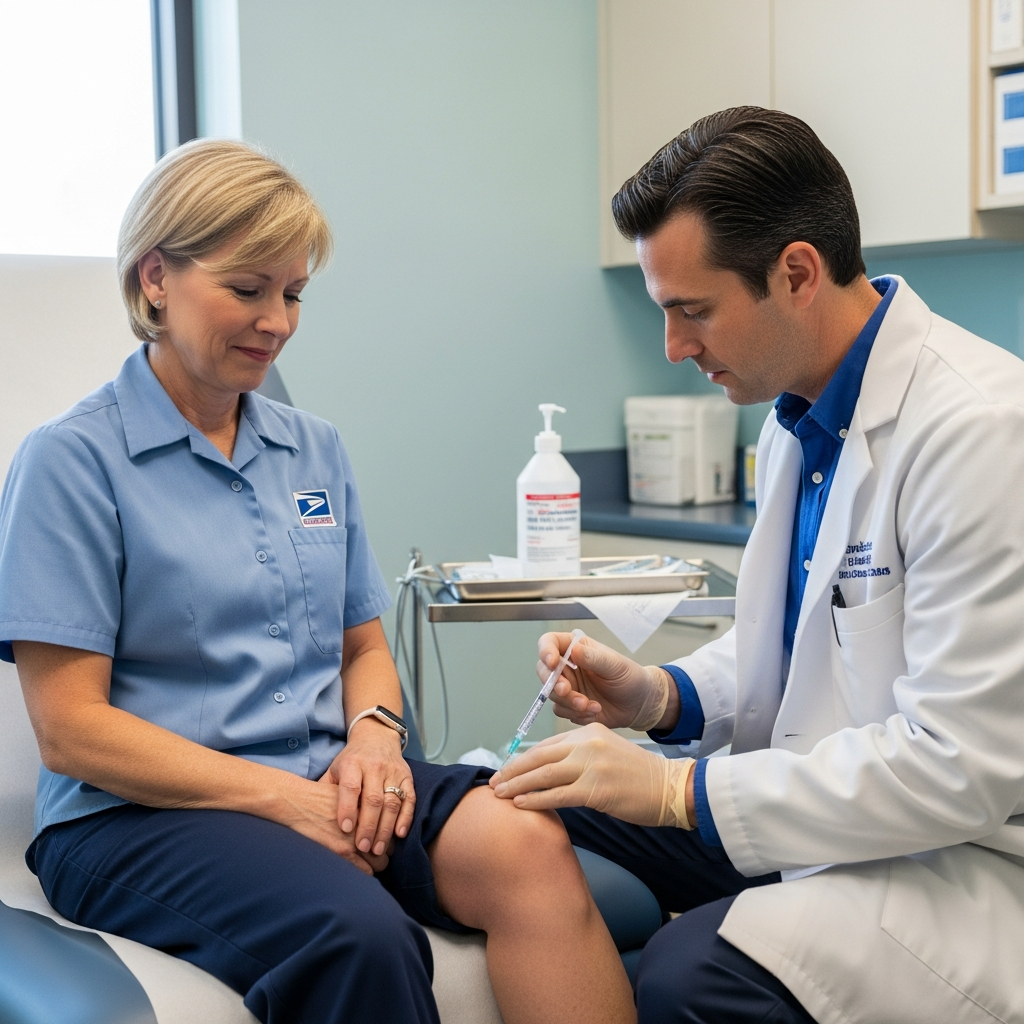
The physical examination itself usually takes 30-45 minutes, depending on your injuries. They’ll test your range of motion, check reflexes, and assess any visible signs of trauma. Here’s what most people don’t realize: they’re not just looking at your current state – they’re trying to determine what’s accident-related versus pre-existing conditions or normal age-related wear and tear.
How to Prepare Without Looking Like You’re Trying Too Hard
The night before your appointment, do a mental inventory of your symptoms. Write them down if you need to – not because you’re going to read from a script (please don’t), but because pain and stress can make you forget important details.
Think about specific examples. Instead of saying “my back hurts,” explain that you can’t lift your toddler out of the crib anymore, or that you have to roll out of bed sideways because sitting up straight sends shooting pain down your leg. These concrete examples paint a clearer picture than vague descriptions.
Wear comfortable clothing that allows easy access to injured areas, but don’t dress down too much. You want to look like someone who takes care of themselves – not someone who’s given up on life because of their injuries.
The Questions They’ll Ask (And Why They’re Asking Them)
DOL doctors are trained to spot inconsistencies, so expect detailed questions about your accident, your initial symptoms, and how your condition has progressed. They might ask the same question in different ways – this isn’t a trick, it’s standard procedure.
Be prepared to explain any treatment delays. Maybe you didn’t go to the ER immediately because you felt okay that day (adrenaline is a hell of a thing), or perhaps you tried to tough it out for a few days before realizing something was seriously wrong. That’s normal human behavior, not insurance fraud.
They’ll also ask about your daily activities. This is where you need to be honest but strategic. If you’ve been forcing yourself to maintain some normal activities despite pain – because life doesn’t stop for car accidents – make sure they understand the effort and discomfort involved. There’s a difference between “I can still do my job” and “I can do my job, but I’m popping ibuprofen every four hours and my productivity has tanked.”
Red Flags That Could Hurt Your Case
Exaggerating symptoms is actually counterproductive. These doctors have evaluated thousands of accident victims – they know what genuine pain looks like versus someone who’s overselling their condition. If you claim you can’t lift five pounds but then effortlessly hoist your purse (which clearly weighs more than that) onto the examination table… well, you’ve just undermined your credibility.
Inconsistency between your reported symptoms and your social media activity is another major red flag. I’m not saying you need to become a hermit, but posting videos of yourself at your cousin’s wedding doing the Electric Slide probably isn’t the best move when you’re claiming debilitating back pain.
Making the Most of Limited Time
DOL evaluations often feel rushed – because they are. These doctors see multiple patients per day, and insurance companies aren’t paying them to chat. Come prepared with a brief, chronological summary of your medical treatment since the accident.
If you’re being treated by multiple specialists, bring a simple list. The orthopedist for your shoulder, physical therapy twice a week, pain management for your lower back – whatever it is, lay it out clearly. This shows you’re actively working on your recovery, not just collecting disability checks.
Don’t forget to mention the subtle stuff that’s easy to overlook. Sleep disruption, mood changes, difficulty concentrating – these secondary effects of chronic pain are real and legitimate, even if they’re harder to measure than range of motion in your neck.
The key is presenting yourself as someone who’s genuinely injured but working hard to get better, not someone who’s either completely helpless or completely fine.
When the Paperwork Feels Like a Second Accident
Let’s be honest – dealing with DOL doctors can feel overwhelming when you’re already nursing injuries from a car accident. You’re hurt, you’re stressed about insurance claims, and now you’ve got to navigate medical evaluations that could determine your entire case. It’s a lot.
One of the biggest hurdles? Understanding what these evaluations are actually looking for. DOL doctors aren’t just checking if you’re hurt – they’re assessing how your injuries impact your ability to work and function. That subtle difference trips up a lot of people. You might walk in thinking, “Well, my back hurts,” but they’re evaluating whether that back pain prevents you from lifting, sitting for extended periods, or performing specific job duties.
Here’s what helps: before your appointment, write down specific examples of how your injuries affect your daily life. Not just “I have pain,” but “I can’t load groceries into my car without my shoulder seizing up” or “I have to take breaks every 20 minutes when I’m working at my computer.” Those concrete details matter more than you’d think.
The Documentation Maze That Makes Everyone Crazy
You know what really frustrates people? The sheer amount of paperwork and records you need to gather. Medical records from your primary care doctor, emergency room visits, physical therapy notes, imaging results… it feels endless. And half the time, different offices use different systems, so getting everything organized feels like herding cats.
Here’s a strategy that actually works – and I learned this from a patient who’d been through the process twice. Create a simple timeline document on your phone or computer. Start with the accident date and add every medical appointment, treatment, and symptom change. Include dates, doctor names, and a brief note about what happened. When you need to pull records later, you’ll know exactly what to ask for and where.
Also – and this might sound tedious – take photos of important documents with your phone as backups. You’d be amazed how often records get “lost” between offices.
When Your Injuries Don’t Look Like What People Expect
This one’s tough, especially if you’re dealing with soft tissue injuries, concussions, or chronic pain conditions. You might feel terrible, but you don’t have a visible cast or obvious injury. Some people – including medical professionals who should know better – might question whether your pain is “real” or significant.
DOL doctors are trained to look beyond obvious injuries, but the evaluation can still feel invalidating if you’re not prepared. The solution isn’t to exaggerate your symptoms (please don’t), but to be thorough and specific about your limitations. Keep a symptom diary leading up to your appointment. Note when pain spikes, what activities trigger problems, how your sleep is affected…
Actually, that reminds me – sleep disruption is huge with accident injuries, but people often forget to mention it. If your injuries are keeping you up at night or making you exhausted during the day, that’s relevant information.
The Waiting Game That Tests Your Patience
Here’s something nobody warns you about: the timeline for these evaluations can be frustratingly slow. You might wait weeks for an appointment, then more weeks for the report. Meanwhile, you’re dealing with ongoing symptoms and possibly missing work.
You can’t speed up the system (trust me, many have tried), but you can use this time productively. Continue following your treatment plan – consistency matters for your health and your case. Stay engaged with physical therapy or other recommended treatments. The DOL doctor will want to see that you’re actively working toward recovery.
And here’s a practical tip: if you’re missing work due to your injuries, keep detailed records of missed days and how the absence affected your job responsibilities. This documentation becomes valuable if disability benefits are part of your claim.
Managing Your Expectations Without Losing Hope
The hardest part might be accepting that these evaluations have limitations. DOL doctors are skilled, but they’re seeing you for a snapshot in time – maybe an hour or two on one particular day. They can’t capture every nuance of your condition or how it fluctuates.
That doesn’t mean the process is unfair or useless. It just means you need realistic expectations. Focus on being honest, thorough, and well-prepared. Bring a trusted friend or family member if it helps you feel more comfortable. And remember – this evaluation is one piece of a larger puzzle, not the final word on your entire situation.
The goal isn’t to “win” the evaluation, but to ensure your actual condition and limitations are accurately understood and documented.
What to Expect After Your Initial Evaluation
Here’s the thing about car accident injuries – they don’t follow a neat, predictable timeline. I wish I could tell you that you’ll feel 50% better in two weeks and completely normal in a month, but that’s just not how bodies work. Your DOL doctor knows this, and honestly? They’re probably going to be more realistic about your recovery than you want to hear.
Most people walk out of their first appointment feeling… well, a bit overwhelmed. You’ve just had someone poke, prod, and ask you to rate your pain on that impossible 1-to-10 scale (seriously, what even is a 7?). Your doctor has probably ordered imaging, referred you to specialists, or started talking about physical therapy. It’s a lot.
The truth is, soft tissue injuries – which make up about 80% of car accident cases – take time. We’re talking weeks to months, not days. Your neck didn’t get the memo that you have a presentation next Tuesday or that your kid’s soccer season is starting. It’s going to heal on its own schedule, and that’s completely normal.
Following Up: The Next Few Weeks
You’ll likely have a follow-up appointment within 1-2 weeks of your initial visit. Don’t expect dramatic changes – think of this as a check-in, not a miracle reveal. Your DOL doctor is looking for subtle improvements, making sure nothing’s getting worse, and adjusting your treatment plan based on how you’re actually responding.
This is where that pain journal I mentioned earlier becomes gold. Bring it. Your doctor wants to know about Tuesday morning when you couldn’t lift your coffee mug, or how you felt after that first physical therapy session. These details matter more than you might think.
Some red flags they’re watching for? Worsening symptoms, new areas of pain, or signs that an injury might be more serious than initially thought. It happens – sometimes that “minor” whiplash reveals itself to be something more complex. That’s why these follow-ups aren’t just bureaucratic box-checking.
When Additional Testing Makes Sense
Maybe your initial X-rays were clear, but you’re still having persistent headaches three weeks later. Or that shoulder pain isn’t responding to conservative treatment like your doctor expected. This is when they might order that MRI or refer you to a specialist.
Don’t panic if this happens – it doesn’t mean you’re falling apart or that something was “missed” initially. Sometimes injuries need time to declare themselves. It’s like… remember when you used to develop film? (Okay, maybe that’s dating myself.) The image was there all along, but it needed time in the developer to become visible.
Neurologists for persistent headaches, orthopedic surgeons for joint issues, pain management specialists for complex cases – your DOL doctor has a network of colleagues they trust. They’re not just throwing darts at a medical directory.
The Reality of Recovery Timelines
I’m going to level with you here. Insurance companies love 6-week treatment windows. Your body? It didn’t get that memo. Some people feel significantly better in a month. Others need several months of treatment. A small percentage deal with symptoms for much longer.
Your DOL doctor has seen this spectrum, and they’re not trying to rush you through some arbitrary timeline. They’re also not trying to drag things out unnecessarily. What they’re doing is following the evidence – both from medical research and from your specific case.
Staying Connected Throughout the Process
Communication is huge during this period. If something changes – your pain shifts location, you have a particularly bad day, or conversely, you wake up feeling dramatically better – let your doctor know. These aren’t just nice-to-have updates; they’re clinical data points that guide your care.
Most DOL practices have patient portals now, which honestly can be a lifesaver for quick questions between appointments. “Is it normal that my shoulder hurts more when it rains?” (Answer: unfortunately, yes.) “Should I be worried about this new clicking sound in my neck?” (Answer: probably worth a call.)
Building Your Recovery Team
Here’s something that might surprise you – your DOL doctor is often more of a quarterback than a solo act. They’re coordinating with your physical therapist, communicating with your attorney if you have one, and sometimes working with your employer on work restrictions.
This team approach isn’t just nice in theory – it actually leads to better outcomes. When everyone’s on the same page about your limitations and goals, you’re less likely to have setbacks or misunderstandings that slow your recovery.
The key is staying engaged in this process, asking questions when things don’t make sense, and trusting that healing – real healing – takes the time it takes.
You know, there’s something really comforting about understanding what happens behind those exam room doors. When you’re dealing with the aftermath of a car accident – whether it’s the obvious stuff like neck pain or those sneaky issues that show up weeks later – knowing that there’s a methodical, caring approach to figuring out what’s wrong… well, it helps, doesn’t it?
Getting the Care You Actually Need
The thing is, DOL doctors aren’t just checking boxes on some insurance form. They’re piecing together your story – how the accident happened, what you felt immediately, what’s bothering you now, and honestly? What you’re worried might be bothering you tomorrow. That comprehensive evaluation we talked about? It’s designed to catch everything, even the things you might not think to mention.
And here’s what I really want you to remember… you don’t have to tough it out. You don’t have to convince anyone that your pain is “real enough” to deserve attention. A good DOL physician has seen it all – from the obvious broken bones to the invisible soft tissue injuries that can turn your life upside down. They get that sometimes the worst injuries are the ones nobody else can see.
Your Recovery Starts With Understanding
Look, I’ve been around this field long enough to know that knowledge really is power when it comes to your health. When you understand what’s happening during that evaluation – why they’re moving your arm in that specific way, or what they’re looking for in those X-rays – you become a better advocate for yourself. You ask better questions. You give better answers.
Plus, and this might sound silly, but there’s something really reassuring about realizing that the person examining you actually knows what they’re doing. They’re not just poking around randomly – there’s real science and experience behind every test, every question, every gentle manipulation of a sore joint.
You Don’t Have to Navigate This Alone
The aftermath of a car accident can feel overwhelming… dealing with insurance companies, managing pain, trying to get back to normal life while your body’s still healing. But here’s the thing – you don’t have to figure it all out by yourself.
If you’re reading this and thinking, “Yeah, but I’m not sure if my situation is serious enough,” or “Maybe I should just wait and see if it gets better” – please don’t. Those thoughts are completely normal, but they’re also exactly why comprehensive evaluations exist. Sometimes what feels minor can actually be significant, and sometimes what feels overwhelming can be managed more easily than you think.
If you’ve been in an accident and you’re dealing with any kind of discomfort – physical or just that nagging worry in the back of your mind that something isn’t quite right – reach out. We’re here to help you understand what’s happening with your body and to create a plan that actually works for your life.
Getting evaluated doesn’t commit you to anything except getting answers. And honestly? After everything you’ve been through, don’t you deserve some clarity? Give us a call, and let’s figure this out together. Your future self will thank you.