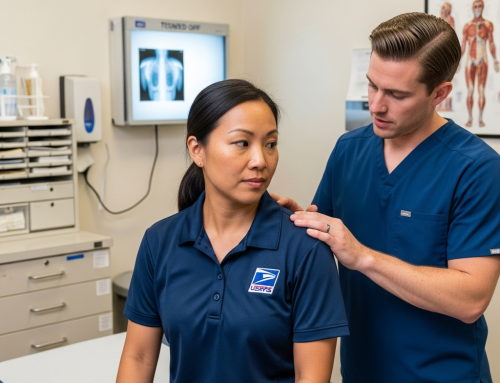
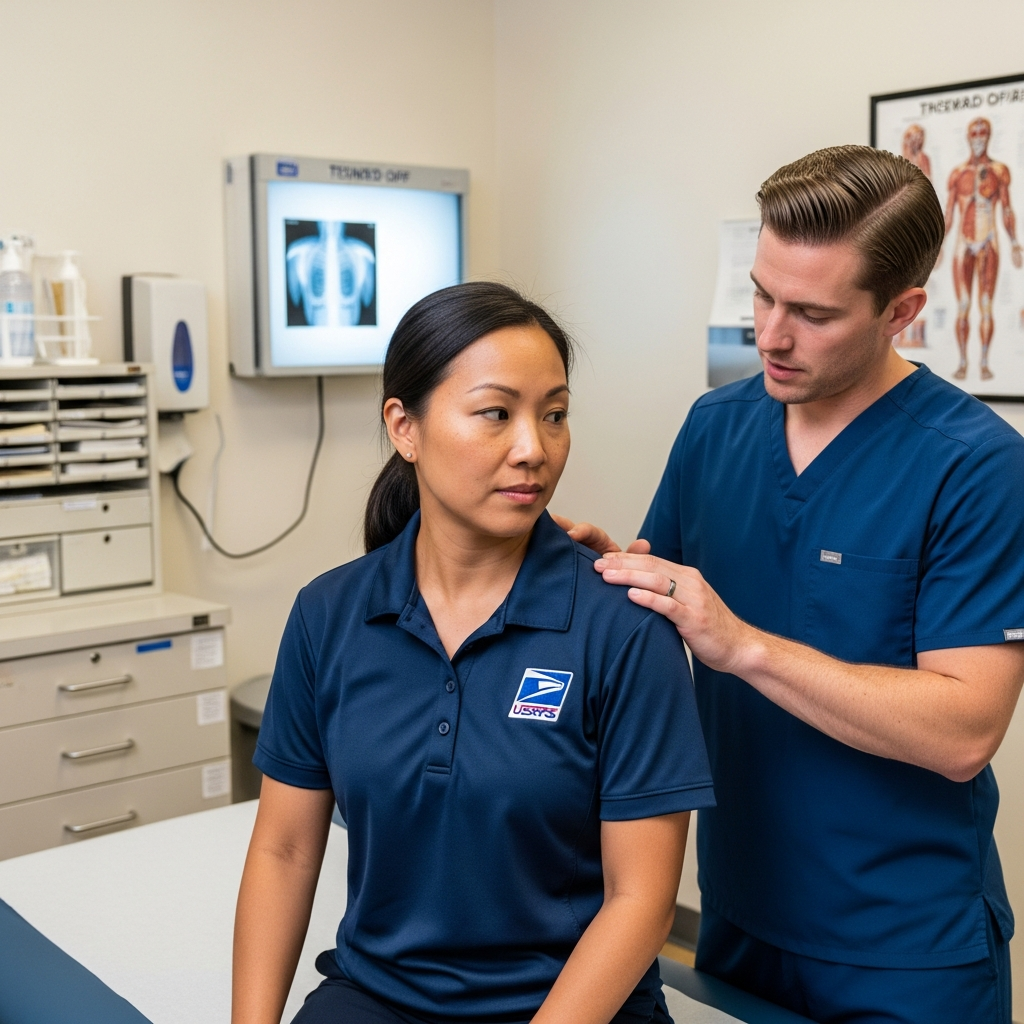
Palm Bay OWCP Clinics: Preparing for Your First Appointment

You’re sitting in your car outside the medical building, engine off, staring at the address on your phone for the third time. Your back’s been killing you for weeks – that incident at work wasn’t supposed to be “a big deal,” but here you are, finally admitting you need help. The OWCP paperwork feels like it weighs ten pounds in your lap, and honestly? You’re not even sure you filled it out right.
If you’re reading this, chances are you’re about to walk into your first Office of Workers’ Compensation Programs appointment here in Palm Bay, and your stomach’s doing those little flip-flops that happen when you’re stepping into unknown territory. Maybe you’ve been putting this off for weeks, hoping the pain would just… disappear. Or perhaps you’ve been through the workers’ comp maze before and know it can feel like navigating a foreign country without a map.
Here’s the thing – and I wish someone had told me this years ago when I was helping my husband through his own OWCP situation – that nervous feeling you’re having? It’s completely normal. You’re not just dealing with physical pain; you’re wrestling with a system that can feel overwhelming, impersonal, and frankly… confusing as hell.
But here’s what I’ve learned after working with hundreds of people in your exact situation: preparation changes everything. Not just the fill-out-the-forms kind of preparation (though we’ll definitely cover that), but the deeper stuff – knowing what questions to ask, understanding what your doctor needs from you, and walking in there with confidence instead of that deer-in-headlights feeling.
You know that moment when you’re at the doctor’s office and they ask, “So, what brings you in today?” and suddenly your brain goes completely blank? Even though you’ve been rehearsing your symptoms for days? That’s exactly what we’re going to prevent from happening at your OWCP appointment. Because when you’re dealing with a work-related injury, every detail matters – not just for your treatment, but for your claim, your benefits, and honestly, your peace of mind.
I’ve seen too many people leave their first appointment feeling like they didn’t get their point across, or worse, wondering if the doctor really understood how much this injury has turned their life upside down. Maybe you can’t sleep through the night anymore, or you’re worried about how you’ll keep up at work, or you’re just tired of explaining to your family why you wince every time you reach for something…
The truth is, OWCP doctors in Palm Bay are actually pretty great – they understand the workers’ comp system inside and out, and they genuinely want to help you get better. But they’re also incredibly busy, which means you need to make every minute of your appointment count. Think of it like this: you’re not just a patient telling your story, you’re building a case for your health and your future.
That’s where the magic happens – in the preparation. When you walk into that appointment armed with the right information, organized documents, and clear communication about your symptoms, everything shifts. Suddenly, you’re not just another file on their desk; you’re a person with a clear narrative about what happened, how it’s affecting your life, and what you need to get back to feeling like yourself again.
Over the next few minutes, we’re going to walk through everything – and I mean *everything* – you need to know before stepping foot in that clinic. We’ll talk about the paperwork that actually matters (spoiler alert: it’s not all equally important), the questions you should absolutely ask, and the ones that might just waste everyone’s time. I’ll share some insider tips about what these doctors are really looking for in your medical history, and how to communicate your pain levels in a way that actually helps them help you.
We’ll also cover some of the stuff nobody talks about – like what happens if you disagree with something in your file, or how to handle those awkward moments when the doctor asks about your work capabilities and you’re honestly not sure what you can or can’t do anymore.
Because here’s what I want for you: I want you to walk out of that appointment feeling heard, understood, and confident about your next steps. Ready?
What OWCP Actually Means (And Why It Matters to You)
Let’s start with the alphabet soup, because honestly? OWCP sounds like something you’d accidentally type when your keyboard’s acting up. It stands for Office of Workers’ Compensation Programs – basically the federal government’s way of saying “we’ve got your back when work goes sideways.”
Think of OWCP like your workplace insurance policy, but one that’s specifically designed for federal employees. You know how your car insurance kicks in after a fender bender? OWCP does the same thing when you get injured on the job or develop a work-related illness. The key difference? This isn’t some private insurance company trying to minimize payouts. This is a federal program designed to actually help you get better and return to work safely.
The Medical Side of Things (It’s More Comprehensive Than You’d Think)
Here’s where it gets interesting – and maybe a little overwhelming. OWCP doesn’t just cut you a check and wave goodbye. They’re actually invested in your recovery, which means they want quality medical care. That’s where specialized OWCP clinics come in.
These aren’t your typical doctor’s offices. Think of them more like… well, imagine if your regular doctor had a specialized toolkit just for workplace injuries, plus direct communication with the people handling your case. OWCP clinics understand the paperwork maze (because yes, there’s paperwork), they know how to document everything the right way, and they speak the same language as the claims adjusters.
Why Location Matters (Spoiler: It Really Does)
Palm Bay might seem like just another dot on the Florida map, but if you’re dealing with a workers’ comp case, it’s actually pretty strategic. The area has developed a network of OWCP-approved providers who understand the unique challenges federal employees face – whether you’re dealing with a repetitive stress injury from years at a desk, a back injury from lifting, or something more complex that developed over time.
The thing about workplace injuries? They’re often… weird. Not weird-bad, just weird-different from the typical sports injury or household accident. Your body compensates in strange ways when you’re doing the same motions day after day, year after year. A regular doctor might scratch their head at your specific combination of symptoms, but OWCP specialists have seen it all before.
The Documentation Dance (Yes, Everything Needs to Be Written Down)
Okay, here’s the part that makes everyone’s eyes glaze over, but stick with me because it’s actually crucial. OWCP lives and breathes documentation. Every appointment, every treatment, every improvement or setback – it all needs to be recorded in a very specific way.
Think of it like building a legal case for your own recovery. The documentation isn’t there to trip you up (though it can feel that way sometimes). It’s there to prove that yes, you were injured at work, yes, you’re getting appropriate treatment, and yes, you deserve the benefits you’re receiving.
Your OWCP clinic becomes your translator in this process. They know exactly what language the system wants to hear, which forms need to be filled out when, and how to present your case in the most compelling way possible.
What Makes OWCP Different from Regular Medical Care
Here’s something that catches a lot of people off guard – OWCP care is often more thorough than what you’d get through regular insurance. Sounds counterintuitive, right? Government program being better than private insurance?
But think about it this way: OWCP has a vested interest in getting you back to full function. They’d rather spend money on quality treatment upfront than pay disability benefits indefinitely. So you might find yourself with access to treatments, specialists, or therapy sessions that your regular insurance would balk at covering.
The flip side? Everything moves through official channels. You can’t just decide to see a different doctor on a whim – changes need approval, referrals need proper documentation, and sometimes the pace can feel frustratingly slow when you just want to feel better.
Setting Realistic Expectations (Because Hope and Reality Need to Coexist)
Your first appointment isn’t going to magically fix everything – sorry, but someone needed to say it. What it will do is start building that crucial foundation of documentation while beginning to address your actual medical needs.
The best OWCP patients (and I mean this in the kindest way) are the ones who understand they’re entering a process, not a quick fix. It’s more marathon than sprint, but with the right clinic and the right approach, it’s a marathon with a finish line.
What to Bring (Beyond the Obvious Paperwork)
Sure, you’ll need your ID and insurance cards – that’s workplace injury 101. But here’s what most people don’t think about: bring a timeline. I’m talking about a simple notebook page where you’ve written down exactly when your injury happened, what you were doing, who witnessed it, and how you felt immediately versus the next day.
Trust me on this one – your memory will fail you when the doctor starts asking specific questions. Was it your left shoulder or right? What time of day? Were you lifting, reaching, or twisting? These details matter more than you’d think, and adrenaline has a funny way of scrambling our recollection of events.
Also pack a list of every single medication you’re taking, including that ibuprofen you grabbed this morning and any supplements. Yes, even your daily vitamin counts. And if you’ve been to any other doctors about this injury – even just your family doctor for a quick check – bring those records or at least know the dates.
The Art of Describing Your Pain
Here’s where most people stumble, and honestly? It’s not their fault. Doctors speak in a different language when it comes to pain, and learning a few key phrases can make a huge difference in your care.
Instead of saying “it hurts,” try to be more specific. Is it sharp like a knife? Dull and aching? Does it throb with your heartbeat? Burns like fire? These aren’t just colorful descriptions – they actually tell your doctor different things about what might be happening in your body.
Rate your pain on that 1-10 scale, but be realistic. If you say everything is a 10, you’ve got nowhere to go when things get worse. Think of it this way: 10 means you’d rather be unconscious, and 1 means you barely notice it unless you focus. Most workplace injuries fall somewhere in the 4-7 range initially.
And here’s something they don’t tell you – describe how the pain changes throughout the day. Is it worse in the morning when you first wake up? Does it spike when you try to lift something? Gets better with movement or worse? This pattern is like a fingerprint for your injury.
Managing Your Expectations (The Real Talk)
Let’s have an honest conversation here. Your first appointment isn’t going to fix everything – and that’s actually normal. Think of it more like a fact-finding mission where the doctor is trying to piece together a puzzle, and you’re providing the corner pieces.
You might not walk out with a definitive diagnosis. That can be frustrating, especially when you’re in pain and just want answers. But OWCP doctors are thorough (sometimes maddeningly so) because they know that getting it right the first time saves everyone headaches down the road.
They’ll likely order tests – X-rays, maybe an MRI, possibly blood work. Don’t panic if they want to rule things out. It’s not because they think you’re making it up… it’s because they’re being careful. And in the workers’ comp world, careful is good.
Questions That Actually Get You Somewhere
Come prepared with smart questions, not just “Am I going to be okay?” (Though that’s totally understandable to wonder about.)
Ask about timeline: “What should I expect over the next few weeks?” This gives you realistic expectations and helps you plan.
Get specific about work: “What exactly can and can’t I do at my job right now?” Don’t assume lifting restrictions apply to everything – maybe you can still do desk work but shouldn’t climb ladders.
Understand next steps: “If this treatment doesn’t help, what’s our backup plan?” Shows you’re thinking ahead and helps you feel more in control.
And here’s one most people miss: “How will we know if I’m getting better?” Sometimes improvement is subtle, and having concrete markers helps you track progress.
The Follow-Up Game Plan
Before you leave, make sure you understand exactly what happens next. When’s your next appointment? What should you do if your symptoms change dramatically? Who do you call if you have questions over the weekend?
Get everything in writing when possible. If the doctor gives you work restrictions, make sure those are clearly documented. Your employer needs specifics, not vague recommendations.
And honestly? Don’t be afraid to ask them to repeat something if you didn’t catch it the first time. You’re dealing with pain, stress, and probably some anxiety about your job security. Your brain isn’t firing on all cylinders right now, and that’s completely normal.
The key is leaving that appointment feeling like you have a plan, even if that plan is “wait and see how you respond to treatment.” Having a roadmap – even a tentative one – makes all the difference in how you’ll handle the weeks ahead.
That Awkward “How Much Do You Really Weigh?” Moment
Let’s be honest – stepping on that scale for the first time can feel like public humiliation. You know the number’s going to be higher than what you tell your doctor (we all fudge those forms a little). The thing is, OWCP clinics have seen it all. Literally. That number you’re dreading? It’s just data to them, not a judgment.
Here’s what actually helps: wear your lightest clothes that day. Seriously. Those heavy jeans can add 2-3 pounds, and every little bit of mental comfort counts. Also, remember that this baseline weight is going to be your “before” photo moment – in six months, you’ll be grateful you had an accurate starting point.
The Insurance Maze Nobody Warns You About
OWCP coverage for weight loss programs can be… well, it’s complicated. And the staff at your Palm Bay clinic probably gets this question seventeen times a day. The frustrating truth? Sometimes they won’t know right away if your specific situation qualifies.
Before you go, call your OWCP case manager – not the clinic. Get it in writing (email counts) that your weight loss treatment is pre-authorized. Keep that email on your phone. Trust me, you’ll want it when the billing questions come up later. Also, ask specifically about coverage limits. Some programs cover 12 sessions, others cover ongoing treatment. The difference matters for your wallet.
When Your Family Thinks You’re “Giving Up”
This one hits different. You’re taking a positive step, but somehow Uncle Bob thinks medical weight loss means you’re “taking the easy way out.” Or your spouse keeps suggesting you “just try harder” with regular dieting.
The reality? You might need to have some uncomfortable conversations before your appointment. Consider bringing your most supportive person with you – not necessarily your partner, but whoever actually gets it. Sometimes having a witness to the medical explanation helps family members understand this isn’t about willpower failure.
The Food Diary Panic
They’re going to ask about your eating habits, and suddenly you’ll realize you honestly can’t remember what you had for breakfast yesterday. Or you’ll remember, and it was a gas station donut eaten while sitting in traffic. The shame spiral starts before you even walk in the door.
Here’s the thing – start tracking now, but don’t change anything yet. Use your phone’s note app, take photos of meals, whatever works. The clinic needs to see your actual patterns, not your “I’ll start eating perfectly three days before my appointment” version. They can’t help you if they don’t know what’s really happening.
And yes, include the midnight snacks. Include the stress eating after that meeting with your boss. They’re not your mom – they’re not going to lecture you about it.
The Treatment Option Overwhelm
Weight loss clinics these days have more options than a fancy coffee shop menu. Medications, meal replacements, counseling, medical monitoring… your head will be spinning by the time they finish explaining everything.
Don’t feel pressured to decide everything in that first visit. Actually, most good clinics won’t let you anyway. Ask for printed materials or a summary email. Ask about success rates for different approaches – and what “success” even means to them. Some programs consider 5% weight loss a win, others aim for 15%. Know what you’re signing up for.
The Emotional Stuff Nobody Mentions
Weight gain from work injuries isn’t just about calories. There’s the frustration, the depression, the boredom when you can’t do activities you used to love. Your relationship with food probably got complicated somewhere along the way.
Be prepared for them to ask about stress, sleep, pain levels, and mood. It’s not being nosy – it’s all connected. And honestly? Having someone acknowledge that your weight gain isn’t a character flaw but a normal response to injury… that conversation alone might be worth the appointment.
Don’t be surprised if they suggest counseling or stress management along with the physical treatment plan. Your brain and your body are working together here – addressing both isn’t admitting weakness, it’s being smart about getting results that actually stick.
The bottom line: most of these challenges sort themselves out once you’re actually there. The anticipation is usually worse than the reality. But going in prepared means you can focus on getting the help you need instead of managing logistics and emotions in real-time.
What to Expect After Your First Visit
Here’s the thing about OWCP appointments – they’re rarely one-and-done situations. Your first visit is really just the opening chapter of what’s likely going to be an ongoing story. And honestly? That’s completely normal.
Most people walk out of their first appointment with more questions than they had walking in. You might feel like you didn’t get all the answers you wanted, or maybe the doctor ordered tests you weren’t expecting. That restless feeling of “now what?” is something almost everyone experiences. Don’t worry – it doesn’t mean anything went wrong.
Your doctor will probably want to see you again in a few weeks, maybe sooner if you’re dealing with pain or mobility issues. This isn’t because they’re trying to drag things out… it’s because work-related injuries have this annoying habit of revealing themselves slowly. What seems like a simple back strain might actually involve nerve issues that don’t show up until week three.
The Paperwork Trail Continues
Remember all that paperwork you filled out before your appointment? Well, there’s going to be more. Your clinic will need to file reports with your employer and the Department of Labor. They’ll document everything – your symptoms, their findings, treatment recommendations, work restrictions.
You’ll get copies of some of this paperwork, and honestly, it can feel overwhelming. Medical reports are written in a language that seems designed to confuse regular humans. Don’t stress if you can’t understand every word. The important parts – like whether you can return to work and what treatments you need – those will be explained to you in plain English.
Your case worker (if you have one) will stay in touch with the clinic. Sometimes this communication happens behind the scenes, but other times you might need to be the messenger between different offices. It’s… not the most efficient system, but it’s the one we’ve got.
Treatment Timelines – The Real Talk
If you’re hoping for a quick fix, I need to be honest with you. Work injuries are rarely resolved in a week or two. Even something that seems minor – like a wrist strain from repetitive motion – might take months to fully heal, especially if you’ve been dealing with it for a while before seeking treatment.
Physical therapy? Plan on several weeks, possibly a few months. Injections might provide relief within days, or it might take multiple rounds to see improvement. Surgery (if it comes to that) involves weeks of recovery time, followed by rehab.
Your doctor should give you realistic timelines, but every person heals differently. That colleague who was back to work in three weeks after a similar injury? Their situation might be completely different from yours. Age, overall health, how long you’ve had the problem, even stress levels – all of these affect healing time.
Navigating Work Restrictions
One of the biggest adjustments is dealing with work restrictions. Maybe you can’t lift more than ten pounds. Or you need to take breaks every hour. Perhaps you can’t do overhead reaching or prolonged standing.
Your employer is supposed to accommodate these restrictions, but… well, the reality can be complicated. Some workplaces are fantastic about this. Others, not so much. If you run into problems, document everything. Keep emails, take notes on conversations, save any written communications about your restrictions.
Staying Organized (Trust Me on This One)
Start a simple file system now, before things get crazy. Keep all your medical reports, appointment summaries, and correspondence in one place. Take photos of important documents with your phone as backup.
Write down the names of everyone you speak with – doctors, case workers, HR representatives. You’d be amazed how often someone will reference a conversation you had with “Jennifer from the office” and you’ll have no idea which Jennifer they mean.
When Things Get Frustrating
There will be frustrating days. Appointments that feel rushed, paperwork that gets lost, insurance issues that make no sense. Some days you’ll feel like you’re fighting the system more than focusing on getting better.
This is normal. It’s not fair, but it’s normal. Take a deep breath, ask for help when you need it, and remember that most people working within the OWCP system genuinely want to help you get back to full health and productivity. Sometimes the bureaucracy just… gets in the way of good intentions.
The most important thing? Keep advocating for yourself. You know your body better than anyone else.
You’ve Got This
Here’s the thing – walking into your first OWCP appointment in Palm Bay doesn’t have to feel like stepping into the unknown. You’ve already done the hardest part by taking care of yourself and seeking the help you deserve. That’s actually huge, even if it doesn’t feel like it right now.
Think of this appointment as the beginning of getting your life back on track, not another hurdle to jump over. Your healthcare provider has seen countless people in similar situations… they understand the frustration of dealing with work injuries, the maze of paperwork, and yes – even the anxiety that comes with starting something new. You’re not just another case number to them.
Remember those documents we talked about? Having them organized shows you’re serious about your recovery. The detailed symptom journal you’ve been keeping? That’s gold to your provider – it helps them understand exactly what you’re experiencing, not just what happened on paper months ago. And if you forgot something or feel scattered during the appointment, that’s completely normal. Write it down beforehand if it helps, or bring a trusted friend along for support.
The beautiful thing about OWCP clinics in Palm Bay is that they’re specifically designed for people navigating work-related injuries. These aren’t general practitioners trying to squeeze you into a fifteen-minute slot between unrelated cases. They get it. They understand the unique challenges of workers’ compensation, the specific documentation requirements, and most importantly – they know how to help you heal while protecting your rights.
Your recovery isn’t just about physical healing, either. It’s about feeling confident in your treatment plan, understanding your options, and knowing someone’s genuinely in your corner. That peace of mind? It’s worth its weight in gold when you’re already dealing with pain, work stress, and financial concerns.
Don’t be surprised if you leave that first appointment feeling lighter somehow. Not because everything’s suddenly fixed – healing takes time – but because you’ll finally have a clear path forward. Someone who knows what they’re doing will be guiding your care, and that makes all the difference.
If you’re still feeling nervous or have questions about preparing for your appointment, you know what? That’s perfectly okay. Most people do. The team at these clinics has probably heard every concern you can imagine, and then some. They’re there to help, not to judge or rush you through the process.
Here’s what matters most: You don’t have to figure this out alone anymore. Whether you’re dealing with a recent injury or complications from an older one, whether this is your first workers’ comp claim or you’ve been down this road before – there are people who genuinely want to help you get better.
Ready to take that next step? Pick up the phone and schedule your appointment. Ask questions, voice your concerns, and remember – seeking help isn’t weakness. It’s the smartest thing you can do for your health and your future. You deserve proper care, and it’s waiting for you in Palm Bay.