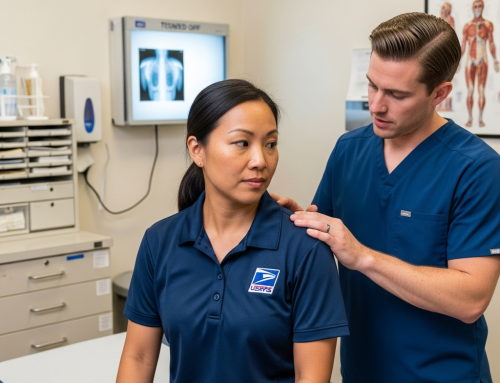
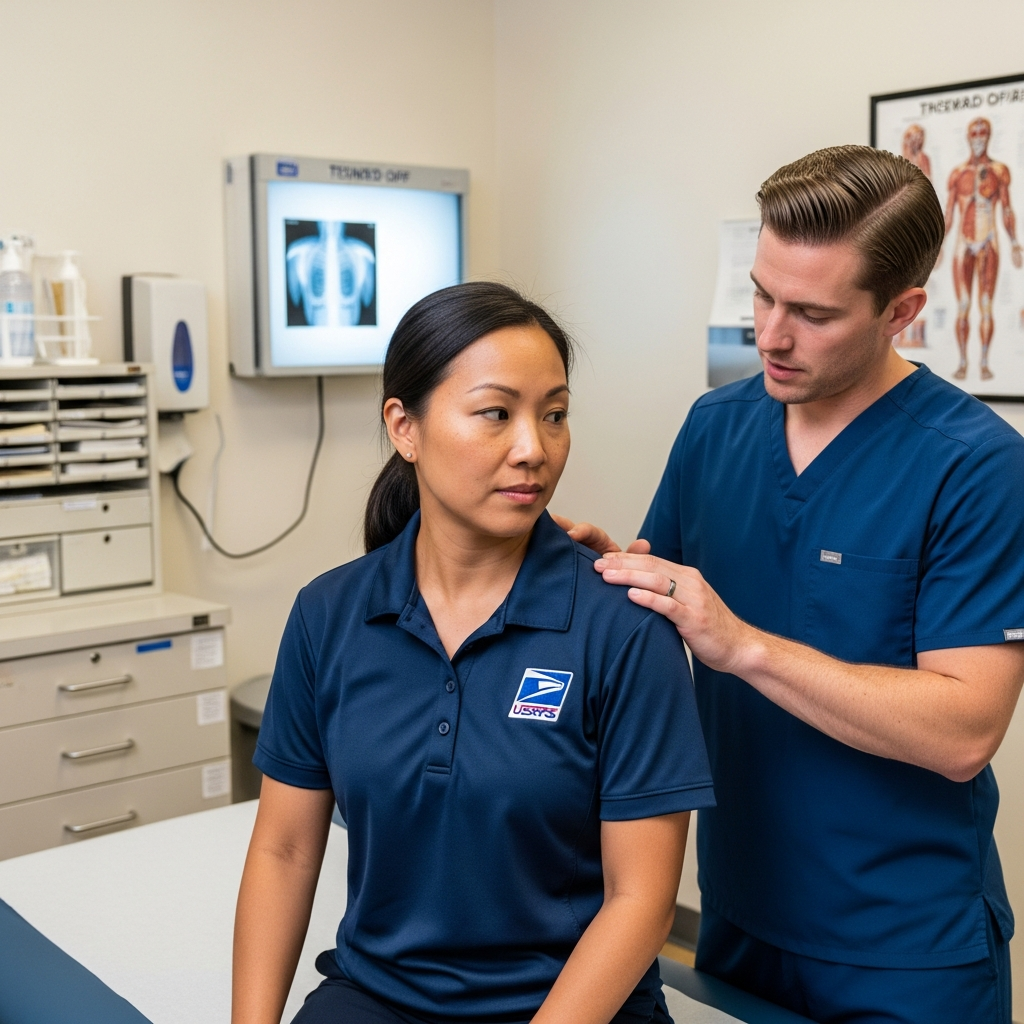
Car Wreck Injury Treatment Options in West Melbourne

You’re driving down Babcock Street after a long day at work, maybe thinking about what to grab for dinner, when suddenly – *crack* – everything changes in an instant. The other driver ran that red light at Palm Bay Road, and now you’re sitting there, heart pounding, trying to process what just happened. Your neck feels… weird. Your back’s starting to ache. And honestly? You’re not even sure what you’re supposed to do next.
If you’ve been in a car accident around West Melbourne – or anywhere in Brevard County, really – you know that sinking feeling. That moment when the adrenaline starts wearing off and you realize this isn’t just about insurance claims and rental cars anymore. Your body is telling you something’s wrong, but how wrong? And where exactly do you turn when every muscle seems to be staging its own little rebellion?
Here’s the thing nobody tells you about car accident injuries: they’re sneaky little troublemakers. Sure, if you’ve got a broken bone, that’s pretty obvious – you can see it, feel it, and everyone understands why you need immediate medical attention. But what about those injuries that don’t show up on the evening news footage? The ones that whisper rather than scream?
Maybe it’s that nagging headache that started three days after the accident. Or the way your shoulder blade feels like someone’s grinding glass into it every time you try to sleep. Perhaps you’re dealing with that brain fog – you know, when you walk into a room and forget why you went there, except now it’s happening five times a day instead of once a week.
The truth is, your body is basically a really sophisticated machine made up of moving parts that aren’t supposed to get slammed around at 35 mph. When they do? Well, things get complicated fast. And in West Melbourne, where we’ve got everything from young families rushing to soccer practice to retirees navigating their golden years, car accident injuries can derail life in ways you never saw coming.
What makes this whole situation even trickier is that West Melbourne sits right in this sweet spot of Brevard County where you’ve got options – maybe too many options. You could drive up to Melbourne Regional Medical Center. Head over to one of the urgent care places on New Haven. Try that chiropractor your neighbor swears by. Or maybe look into some of those specialized clinics that seem to pop up everywhere these days.
But here’s what I’ve learned after years of helping people navigate this mess: not all treatment approaches are created equal, and what works for your coworker’s whiplash might be completely wrong for your concussion symptoms. Actually, that reminds me of this patient who spent months bouncing between different providers before anyone figured out that her “simple” rear-end collision had triggered a cascade of issues that needed a completely different approach…
The reality is, effective car wreck injury treatment isn’t just about finding *a* doctor – it’s about finding the *right* combination of treatments that actually address what’s happening in your specific situation. And honestly? That’s where most people get lost in the shuffle.
That’s exactly why we’re going to walk through the real treatment landscape here in West Melbourne. Not the glossy brochure version, but the actual, practical guide to what works, what doesn’t, and how to avoid getting stuck in that frustrating cycle of appointments that don’t seem to be getting you anywhere.
We’ll talk about the immediate care options you need to know about – because timing matters more than you might think. We’ll explore the different types of specialists who actually understand car accident injuries (hint: it’s not always who you’d expect). And yes, we’ll get into some of the newer treatment approaches that are changing how people recover from these injuries.
You’ll also learn how to navigate insurance issues without losing your mind, spot red flags in treatment providers, and most importantly – recognize when you’re actually getting better versus when you’re just being managed. Because let’s be honest, you don’t want to manage these symptoms for the next decade. You want your life back.
Understanding What Actually Happens to Your Body
Think of your body like a smartphone – it’s designed to absorb a lot of daily wear and tear, but drop it just the wrong way and suddenly everything goes haywire. Car accidents are basically that wrong-way drop, except instead of a cracked screen, you’re dealing with strained muscles, compressed joints, and a nervous system that’s… well, pretty ticked off.
The thing is, your body doesn’t experience a car crash the same way your mind does. While your brain might process the whole thing in slow motion – that moment when you realize the other car isn’t stopping – your body gets hit with forces it was never designed to handle. We’re talking about thousands of pounds of metal suddenly changing direction, and your soft tissues are along for the ride whether they like it or not.
The Delayed Reaction Phenomenon
Here’s where it gets weird (and honestly, kind of fascinating if you’re into that sort of thing). You might walk away from an accident feeling completely fine – maybe even a little proud of how tough you are. Then you wake up the next morning feeling like you got tackled by a linebacker.
This isn’t your imagination playing tricks on you. It’s actually your body’s stress response doing what it’s supposed to do. During the accident, adrenaline and other stress hormones flood your system, basically telling your pain receptors to take a coffee break. It’s like your body’s own temporary painkiller, which is great for getting you through the immediate crisis but terrible for understanding what actually happened to you.
The medical term for this is “delayed onset” – which sounds fancy but really just means “it’s gonna hurt later.” Sometimes much later. We’ve seen people who felt fine for days, even weeks, before symptoms showed up.
Why Car Accident Injuries Are Different
You’d think an injury is an injury, right? Sprain your ankle playing basketball or sprain it in a car wreck – same difference. Except… not really.
Car accident injuries have this sneaky quality where they affect multiple body systems at once. It’s not just your neck that gets whiplash (though that’s the poster child for car accident injuries). Your shoulders might tense up to protect your neck. Your back might compensate for your shoulders. Your hips might shift to accommodate your back. Before you know it, you’ve got this whole cascade of compensation patterns that your body thinks are helping but are actually making things worse.
Think of it like a game of Jenga – pull out one piece and suddenly the whole tower is unstable, even if it looks fine from the outside.
The Insurance Company Perspective (And Why It Matters)
Here’s something they don’t tell you in driver’s ed – insurance companies have a very specific way of looking at car accident injuries. They love what we call “hard” injuries – broken bones, lacerations, things that show up clearly on X-rays. These are easy to document, easy to value, easy to understand.
Soft tissue injuries? The kind that make up about 80% of car accident injuries? Those are… trickier. There’s no dramatic X-ray showing a snapped bone. No obvious surgical scar. Just you saying “it hurts” and a bunch of medical professionals nodding knowingly while the insurance adjuster raises an eyebrow.
This creates what I like to call the “proof problem.” You know something’s wrong – your body is screaming it at you every morning when you try to get out of bed. But proving it? That’s where having the right medical documentation becomes crucial.
Common Types You’ll Encounter
Whiplash gets all the attention, but it’s really just one member of a whole dysfunctional family of car accident injuries. You’ve got your soft tissue injuries (muscles, ligaments, tendons – all the squishy stuff that holds you together). Joint injuries, where the impact basically jambs your vertebrae together like puzzle pieces that don’t quite fit anymore. Nerve injuries, which can cause everything from tingling to numbness to that weird shooting pain that makes you yelp in the grocery store.
And then there are the headaches. Oh, the headaches. They can start immediately or show up weeks later, and they’re often connected to neck injuries in ways that seem almost vindictive.
The key thing to understand? These injuries often travel in packs. Rarely do you get just one clean, simple injury from a car accident. It’s more like your body got reorganized without your permission, and now everything needs to find its way back home.
Finding the Right Medical Team After Your Accident
You know that overwhelming feeling right after a crash? Your head’s spinning, your neck’s already starting to tighten up, and suddenly everyone’s throwing business cards at you. Here’s what most people don’t tell you – the medical team you choose in those first 48 hours can make or break your recovery.
Start with your primary care doctor, but don’t stop there. They’re great for the initial assessment, but car accident injuries are… well, they’re sneaky. That soreness you’re brushing off today might become chronic pain next month. Look for practitioners who specialize in auto accident injuries – chiropractors, physical therapists, and orthopedic specialists who’ve seen it all before.
Pro tip: Ask potential providers how many car accident cases they handle monthly. If they hesitate or give you a vague answer, keep looking. You want someone who can spot whiplash complications before they become your new reality.
Timing Your Treatment (It’s More Critical Than You Think)
Here’s something insurance companies really don’t want you to know – there’s a golden window for treatment, and it’s shorter than you’d expect. Most insurance policies require you to seek medical attention within 14 days of your accident. Miss that deadline? You might be paying out of pocket for everything.
But honestly, waiting even a few days can work against you. Inflammation sets in, muscles start compensating in weird ways, and what could’ve been a simple fix becomes… complicated. I’ve seen people who thought they were “tough enough” to walk it off, only to end up with months of physical therapy later.
Start treatment immediately, even if you feel fine. Your body’s still running on adrenaline – it’s lying to you about how you really feel.
Documentation: Your Secret Weapon
This might sound boring, but trust me – good documentation is like having a superpower when dealing with insurance claims. Keep a daily pain journal (yes, really). Note your pain levels, what makes it worse, what helps, how it affects your sleep, work, even your mood.
Take photos of any visible injuries, even minor bruises. They fade, but photos don’t. Save every receipt – parking fees for medical appointments, over-the-counter pain meds, that heating pad you bought at 2 AM because you couldn’t sleep.
Actually, let me share something most people miss: document how your injuries affect your daily life. Can’t lift your coffee cup the same way? Write it down. Having trouble concentrating at work? Note it. These seemingly small details paint a picture of your actual experience, not just medical terminology.
Working With Insurance (Without Losing Your Mind)
Insurance adjusters are… well, they’re not exactly your friends. They’re trained to minimize payouts, and they’re really good at it. But here’s how to level the playing field.
First rule: don’t give recorded statements without talking to your treatment team first. That friendly adjuster who “just wants to understand what happened”? They’re building a case – make sure it’s not against you.
Get everything in writing. Phone calls are convenient, but emails create paper trails. When they approve treatment, ask for written confirmation. When they deny something, ask for the denial in writing with specific reasons.
Here’s a insider tip – insurance companies often approve more treatment if it’s bundled as a comprehensive care plan rather than requested piecemeal. Work with your medical team to present a complete treatment strategy upfront.
Managing Costs Without Compromising Care
Let’s be real – medical bills add up fast, and not everyone has unlimited resources. But cutting corners on treatment now can cost you so much more later.
Many practitioners offer payment plans for auto accident cases. Don’t be embarrassed to ask – they’d rather work with you than not treat you at all. Some even work on a lien basis, meaning they’ll wait for your insurance settlement to get paid.
Look into your own health insurance too. While your auto policy should cover accident-related treatment, your health insurance might cover related issues or serve as a backup if your auto coverage runs out.
Generic pain relievers, ice packs, heating pads – these basics add up, but they’re often not covered. Buy them in bulk when they’re on sale. Your future self will thank you.
The key is balancing immediate financial concerns with long-term health outcomes. Skipping that physical therapy session might save you $50 today, but chronic pain could cost you thousands down the road.
The Insurance Maze That Makes Your Head Spin
Let’s be honest – dealing with insurance after a car accident feels like trying to solve a Rubik’s cube while blindfolded. You’re already dealing with pain, maybe some anxiety about driving again, and then… boom. Welcome to the wonderful world of PIP coverage, deductibles, and pre-authorization requirements.
Here’s what actually happens: You’ll call your insurance thinking they’ve got your back, only to discover that your “comprehensive” coverage has more holes than Swiss cheese. That physical therapy your doctor recommended? Sorry, you need approval first. The MRI to check if that nagging neck pain is something serious? That’ll require a mountain of paperwork and a three-week wait.
The real solution? Don’t go it alone. Most quality treatment centers – especially here in West Melbourne – have insurance specialists who speak fluent “insurance company.” They know which codes to use, how to word requests so they don’t get auto-denied, and honestly… they enjoy the battle more than you ever will. Let them fight that fight while you focus on getting better.
When Your Body Betrays Your Timeline
You thought you’d be back to normal in a week or two, didn’t you? I mean, it wasn’t *that* bad of an accident. But here’s the thing about car wreck injuries – they don’t read calendars. That whiplash might feel manageable today and then decide to throw a tantrum three days from now.
This is where people get frustrated and, frankly, a little scared. You start wondering if this is your new normal, if you’ll ever feel like yourself again. Maybe you push through the pain because you’ve got bills to pay and kids to shuttle around. Or maybe you become hyper-focused on every twinge, convinced something catastrophic is happening.
The truth sits somewhere in the middle – recovery isn’t linear, and that’s completely normal. Some days will be better than others. Some treatments will work immediately; others need time to show results. Your body is essentially relearning how to function properly after being rattled around like a snow globe.
What helps? Setting realistic expectations with your treatment team. Ask them straight up: “What should I expect week by week?” Most experienced practitioners will give you honest timelines, not sugar-coated promises. And here’s something they might not tell you – documenting your daily pain levels and activities actually helps them adjust your treatment plan. It’s not just busywork.
The Financial Reality Check
Even with insurance, the bills add up faster than you’d expect. Copays, deductibles, treatments that aren’t fully covered… it adds up. And if you’re missing work because of your injuries? Well, that’s a double hit to your wallet.
Here’s where people make mistakes – they either avoid necessary treatment because of cost, or they don’t understand their legal options. If the accident wasn’t your fault, you shouldn’t be stuck holding the financial bag. But navigating that requires knowing your rights and sometimes… getting legal help.
Many personal injury attorneys work on contingency (they only get paid if you do), and they often have relationships with medical providers who’ll treat you with payment deferred until your case settles. It’s not ideal – nobody wants to deal with lawyers when they’re hurting – but sometimes it’s the difference between getting proper treatment and just “toughing it out.”
The Coordination Nightmare
Physical therapy on Mondays, chiropractor on Wednesdays, follow-up with your primary doctor next week, and oh – don’t forget that specialist appointment you waited a month to get. Managing multiple healthcare providers feels like being a full-time appointment secretary for your own body.
The challenge gets worse when providers don’t communicate well with each other. Your physical therapist increases your exercises, but your chiropractor doesn’t know and adjusts your treatment in a way that conflicts. Or worse – they’re duplicating efforts and insurance starts questioning the necessity.
Here’s what works: Find a treatment center or medical group that coordinates care internally. When your providers are actually talking to each other – not just sending generic reports – your treatment becomes more effective and less chaotic. It’s like having a quarterback for your recovery team instead of a bunch of talented players running random plays.
Also? Don’t be shy about being the squeaky wheel. Ask questions, request that providers communicate specific concerns, and keep your own simple record of what’s working and what isn’t. You know your body better than anyone else – use that knowledge.
What to Expect During Your Recovery Timeline
Let’s be honest – nobody wants to hear this, but car accident injuries don’t follow a neat, predictable schedule. Your body isn’t working off some corporate timeline, and healing is more like a messy, up-and-down process than a straight line to “all better.”
That said, here’s what we typically see…
Most soft tissue injuries – your whiplash, minor sprains, bruising – start feeling noticeably better within the first few weeks. You might wake up one morning and think, “Hey, I can turn my head without wincing!” But don’t be surprised if you have setbacks. Maybe you sleep wrong, or stress hits, or the weather changes (yes, that’s actually a thing), and suddenly you’re sore again.
More significant injuries? We’re talking months, not weeks. Herniated discs, fractures, torn muscles – these take time. Real time. And honestly, some people feel lingering effects for a year or more. I know that’s not what you want to hear when you’re three days post-accident and everything hurts.
The tricky part is that inflammation can mask the true extent of your injuries initially. Sometimes what feels “not too bad” the first week becomes more problematic as the swelling goes down and your body starts the real work of healing.
Your First Few Treatment Sessions
Your initial appointments are going to be part detective work, part gentle intervention. Don’t expect dramatic improvements after session one – though some people do feel immediate relief, especially with chiropractic adjustments or massage therapy.
Physical therapy often feels harder before it feels easier. Your PT isn’t trying to torture you (despite what it might feel like when they’re working on that tight shoulder), but they are asking your injured tissues to start moving and strengthening again. Some soreness after treatment? Totally normal. Increased pain that lasts more than a day or two? Time to speak up.
Chiropractic care might give you quicker relief, but – and this is important – you’ll likely need multiple sessions. Those adjustments aren’t permanent fixes; they’re part of a process of restoring normal movement patterns.
When You Might Start Feeling Human Again
Here’s the thing nobody tells you: recovery isn’t just physical. The mental and emotional toll of a car accident can be just as exhausting as the physical injuries. You might feel frustrated, anxious about driving, or just… off. That’s completely normal.
Physically, many people start having more good days than bad days around the 6-8 week mark for minor to moderate injuries. But “better” doesn’t mean “perfect.” You might still have occasional flare-ups, stiffness in the mornings, or fatigue that seems to come out of nowhere.
Sleep often improves before pain does, which is actually a good sign. When your body can finally relax enough for decent sleep, healing accelerates.
Red Flags That Mean You Need to Speak Up
Most car accident injuries heal, but some symptoms need immediate attention. Increasing neurological symptoms – numbness, tingling, weakness that’s getting worse rather than better – warrant a call to your doctor, not a “let’s wait and see” approach.
Same goes for headaches that are intensifying, vision changes, or cognitive issues that aren’t improving. These could signal complications that need medical intervention beyond standard injury treatment.
Planning for the Long Game
Here’s something we wish more people understood: the goal isn’t just to get you out of pain. It’s to prevent future problems. That weak core from favoring your injured side? It could set you up for back problems later. Those tight neck muscles from protective posturing? They might contribute to chronic headaches if not addressed properly.
This is why your treatment team might recommend continuing therapy even after you’re feeling mostly better. Think of it like rebuilding after a house fire – you don’t just patch the holes; you make sure the foundation is solid.
Moving Forward Without Fear
Eventually – and yes, this day will come – you’ll realize you haven’t thought about your injuries for hours, maybe even a whole day. That’s when you know you’re really turning the corner.
Recovery isn’t about returning to exactly who you were before the accident. Sometimes it’s about becoming stronger, more aware of your body, better at managing stress. Not exactly the silver lining you were looking for, but it’s something.
The key is staying patient with the process while also advocating for yourself when something doesn’t feel right. Your body knows things your treatment team can only guess at.
Getting back on your feet after a car accident isn’t just about healing your body – though that’s obviously the most important part. It’s about reclaiming your confidence, your routine, your sense of normal. And honestly? That takes time, patience, and the right support system around you.
Finding Your Path Forward
You’ve got options here in West Melbourne, and that’s actually pretty reassuring when you think about it. Whether you’re dealing with whiplash that’s making mornings miserable, back pain that’s stealing your sleep, or those nagging headaches that seem to pop up at the worst moments… there are professionals who’ve seen exactly what you’re going through.
The thing is – and this might sound obvious, but it’s worth saying – no two accidents are the same. Your neighbor might’ve walked away from their fender-bender with nothing more than a sore neck, while you’re dealing with something that’s turning your whole world upside down. That doesn’t make you weak or dramatic. It just makes you human.
The Team Approach Makes Sense
What’s really encouraging about modern accident recovery is how collaborative it’s become. Your primary care doctor might work with a physical therapist, who stays in touch with a chiropractor, who coordinates with a massage therapist. It’s like having a whole team in your corner – each person bringing their own expertise to help you feel like yourself again.
And here’s something I’ve noticed working with people in your situation: the ones who do best aren’t necessarily the ones with the “easiest” injuries. They’re the ones who advocate for themselves, ask questions, and don’t settle for “just managing” their pain when they could be actually healing.
You Don’t Have to Figure This Out Alone
Look, I get it. The insurance calls, the medical appointments, trying to get back to work when you’re not feeling 100%… it’s a lot. Sometimes it feels easier to just push through and hope everything sorts itself out. But here’s the thing – and I say this with genuine care – ignoring pain rarely makes it go away. It just teaches it to be quieter while it does more damage.
The good news? You’re already taking the right steps by researching your options. That tells me you’re ready to take control of your recovery, and that’s honestly half the battle right there.
Taking That Next Step
If you’re sitting there wondering whether your pain is “bad enough” to seek treatment, or if you should wait a little longer to see if it gets better on its own… can I suggest something? Give yourself permission to get the help you deserve. You wouldn’t ignore a broken bone, right? Well, soft tissue injuries, alignment issues, and the invisible trauma your body experienced – they deserve attention too.
We’re here when you’re ready to start feeling better. Not just managing your pain, but actually getting back to the life you had before that intersection changed everything. You don’t have to carry this alone, and you definitely don’t have to suffer through it. Sometimes the bravest thing you can do is reach out and say, “I need some help here.”
Your recovery story is still being written – let’s make sure it has the ending you deserve.