Melbourne DOL Doctors: Understanding Your Medical Rights
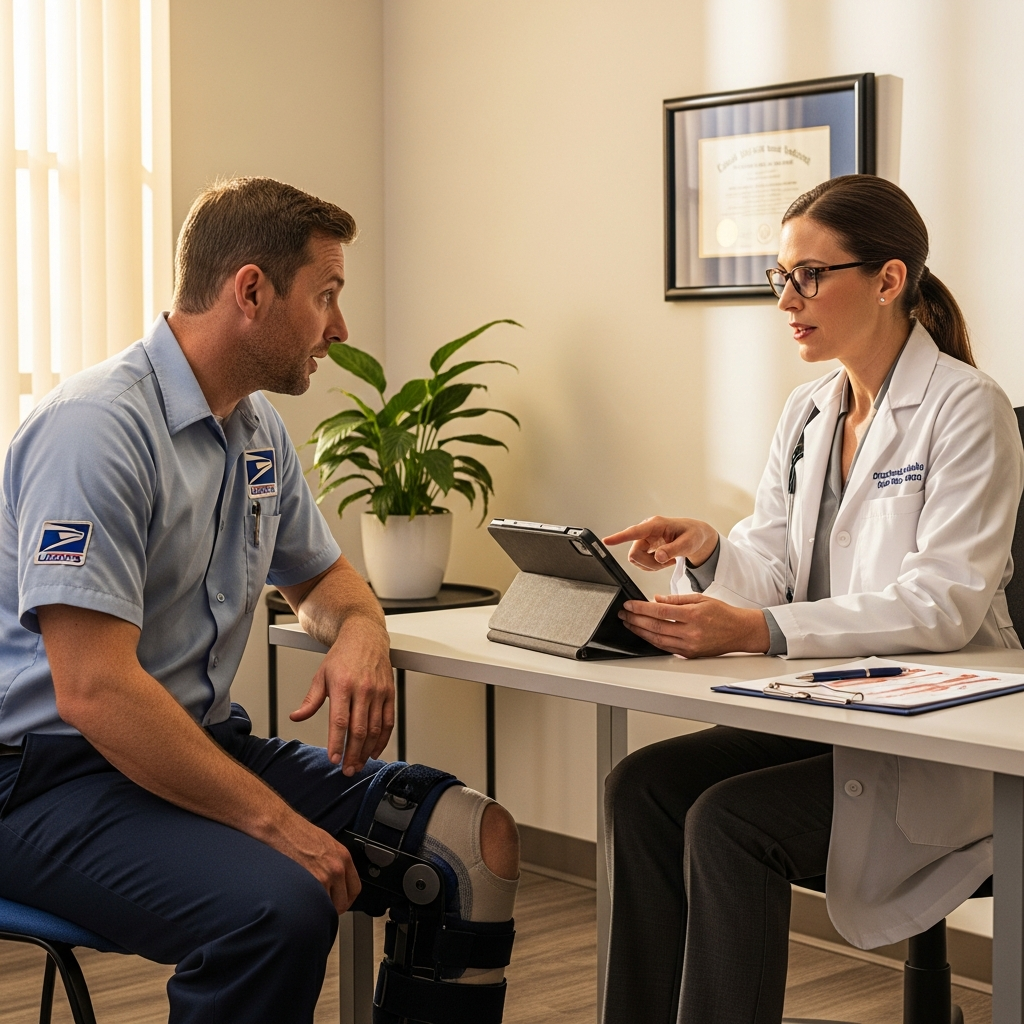
Picture this: you’re sitting in a sterile waiting room, that familiar antiseptic smell making your stomach churn just a little. The receptionist barely looked up when you checked in, and now you’re watching the clock tick past your appointment time – again. When you finally get called back, the doctor rushes through your concerns, scribbles something illegible on a prescription pad, and you’re shuffled out before you can ask half the questions swirling in your head.
Sound familiar?
Here’s the thing that really gets me fired up about situations like this – you walked out of there feeling dismissed, confused, and maybe even a little foolish for not speaking up. But here’s what I wish someone had told you before you ever stepped foot in that clinic: you have rights as a patient. Real, legally protected rights that too many people don’t even know exist.
And if you’re dealing with a DOL doctor in Melbourne – whether it’s for a work injury evaluation, disability assessment, or any other Department of Labor-related medical examination – understanding those rights isn’t just helpful… it’s absolutely critical.
Why DOL Doctor Visits Feel Different
Let’s be honest here – DOL medical appointments can feel like you’re walking into a different universe compared to seeing your regular family doctor. The dynamic shifts completely. Suddenly, you’re not just a patient seeking care; you’re someone being evaluated, assessed, judged even. The stakes feel higher because, well, they often are. Your benefits, your ability to work, your financial future – it might all hinge on what happens in that examination room.
I’ve talked to countless people who’ve left these appointments feeling like they were treated more like a case number than a human being. Some describe feeling interrogated rather than examined. Others tell me they felt rushed through evaluations that seemed predetermined before they even walked through the door.
But here’s what I want you to understand – feeling powerless in these situations isn’t inevitable. You don’t have to accept substandard treatment just because it’s a DOL-mandated appointment.
The Knowledge Gap That’s Hurting You
Most people approach DOL medical examinations completely blind to their rights. They show up, submit to whatever the doctor wants to do, answer questions without understanding how their responses might be interpreted, and leave hoping for the best. It’s like playing a game where everyone else knows the rules except you.
This knowledge gap isn’t accidental, by the way. The system isn’t exactly designed to make your rights crystal clear. Insurance companies and employers often prefer when patients don’t know they can request medical records, challenge inappropriate questions, or insist on proper examination protocols.
But ignorance isn’t bliss when your livelihood is on the line.
What We’re Going to Cover (And Why It Matters to You)
Throughout this article, we’re going to pull back the curtain on DOL medical examinations in Melbourne. Not with boring legal jargon that’ll put you to sleep, but with practical, actionable information you can actually use.
We’ll walk through your fundamental rights as a patient – yes, even in DOL examinations. Things like your right to understand what’s happening during your evaluation, your right to request copies of reports, and your right to be treated with basic human dignity and respect.
You’ll learn how to prepare for these appointments in ways that protect your interests… strategies most people never consider. We’ll talk about red flags to watch for during examinations – behaviors and practices that cross ethical lines – and what you can actually do about them.
And perhaps most importantly, we’ll cover what happens after your examination. How to access your records, what to do if you disagree with the findings, and the appeals process that exists (but that many people never learn about until it’s too late).
Look, I’m not trying to turn you into a combative patient or encourage you to be difficult. But I am trying to level the playing field. Because when you understand your rights – really understand them – you can advocate for yourself effectively. You can ensure you’re getting fair treatment. You can make informed decisions about your healthcare and your future.
You deserve to walk into that examination room feeling informed and empowered, not anxious and powerless. And that’s exactly what we’re going to accomplish together.
What Actually is a DOL Doctor?
You know how everyone seems to throw around medical acronyms like confetti at a wedding? DOL is one of those terms that sounds super official but… honestly, it can be pretty confusing at first glance.
DOL stands for “Doctor on Location” – and yes, it’s exactly what it sounds like. These are qualified medical practitioners who come to you, whether that’s at home, work, or sometimes even more unusual places. Think of them as the medical equivalent of a food delivery service, except instead of bringing you dinner, they’re bringing healthcare right to your doorstep.
But here’s where it gets interesting (and sometimes a bit murky). In Melbourne, DOL doctors operate under the same medical standards as your regular GP – they’ve got the same qualifications, the same ethical obligations, and the same legal responsibilities. The only real difference? Their office has wheels.
The Rights That Actually Matter
Now, this is where things get… well, let’s just say the legal landscape isn’t exactly crystal clear for everyone involved. Your rights with a DOL doctor are essentially identical to those you’d have with any other medical professional, but the mobile nature of the service creates some unique situations.
First up – consent. This one’s huge, and it works exactly the same whether you’re in a fancy clinic or your pajamas at home. You have the absolute right to understand what’s happening, why it’s happening, and what the alternatives might be. Actually, that reminds me of something important – just because the doctor comes to you doesn’t mean you’re obligated to accept every recommendation they make. Your body, your choice.
Privacy rights are another big one, and honestly, this is where the mobile aspect gets interesting. In a traditional clinic, there are built-in privacy measures – waiting rooms, closed doors, reception desks that create barriers. At home? Well, that’s largely up to you and how you set things up. You still have the same right to confidentiality, but you might need to be more proactive about creating that private space.
The Insurance Maze (Because Nothing’s Ever Simple)
Here’s where I need to be brutally honest with you – insurance coverage for DOL services can be… let’s call it “variable.” Some private health insurers love these services because they can be cost-effective. Others treat them like they’re some exotic medical procedure from another planet.
Medicare typically covers DOL consultations the same way they’d cover a regular GP visit, but there might be additional fees for the convenience factor. Think of it like this: the medical consultation itself is covered, but you might pay extra for the “delivery fee” – just like ordering takeout.
The tricky part? These extra costs can vary wildly depending on the provider, your location, time of day, and sometimes even how urgent your situation is. It’s not exactly transparent, which can be frustrating when you’re trying to budget for healthcare.
When Things Go Sideways
Nobody likes to think about this part, but what happens if something goes wrong? The good news is that DOL doctors carry the same professional indemnity insurance as traditional doctors – they have to, it’s not optional.
If you need to make a complaint, you’ve got the same avenues available: the Australian Health Practitioner Regulation Agency (AHPRA), the Health Complaints Commissioner, or potentially even legal action if things get really serious. The mobile nature of the service doesn’t change these fundamental protections.
But here’s something that might surprise you – documentation can sometimes be trickier with mobile services. While most DOL doctors use digital systems now, there’s still the occasional old-school practitioner with a paper-based system. Make sure you’re getting proper documentation of your consultation… trust me on this one.
The Reality Check
Look, DOL doctors aren’t miracle workers, and they’re not trying to replace your regular healthcare team. They’re more like a bridge service – filling gaps when your usual GP isn’t available, or when getting to a clinic just isn’t practical.
The key thing to remember? You’ve got rights, and those rights don’t disappear just because the consultation happens in your living room instead of a medical center. Understanding these rights isn’t just about protecting yourself – it’s about getting the best possible care in whatever setting works for your life.
Know Your Rights Before You Walk Through the Door
Here’s something most people don’t realize – you actually have the right to see your medical records before your appointment. Not after, not “when convenient,” but before. Call ahead and request your file summary… it’s a game-changer. You’ll walk into that consultation room already knowing what’s been documented, what might have been missed, and – this is crucial – what narrative has been building around your case.
I had a client who discovered her previous doctor had labeled her as “non-compliant” simply because she’d questioned a medication dosage. That one word was following her around Melbourne’s medical system like a bad reputation. Once she knew, she could address it head-on.
The Magic Words That Actually Work
When dealing with DOL doctors (or any healthcare provider, really), there are certain phrases that cut through the bureaucracy faster than anything else. Try these
“I’d like this documented in my medical record, please.” Watch how quickly the conversation becomes more… thoughtful. Suddenly, that dismissive comment about your weight or that rushed explanation gets a bit more attention. Documentation is powerful – it creates accountability.
“What are my alternative options, and why do you recommend this particular approach?” This isn’t being difficult; it’s being informed. And honestly? Good doctors appreciate patients who ask good questions. The ones who get defensive… well, that tells you something too.
The Referral Game – Playing It Smart
Here’s where things get interesting. You don’t have to accept the first specialist referral you’re given. If your DOL doctor refers you to Dr. Smith for your metabolic issues, you can ask for alternatives. “Do you have other colleagues you’d recommend? I’d like to research my options.”
Most patients don’t know they can request referrals to specific doctors. Done your research and found a specialist who really gets medical weight management? Ask for a referral to them specifically. Your DOL doctor might push back initially, but if you can articulate why (their specialization, their approach, their success rates), most will accommodate.
Second Opinions Aren’t Just for Cancer Patients
This one’s big. You have the absolute right to seek a second opinion for any condition – including weight-related health issues. And here’s the kicker: you don’t need your current doctor’s permission. You just need to be strategic about it.
Get copies of all relevant tests and records first. Then book with another practice entirely. Don’t mention you’re seeking a second opinion until you’re already in the consultation – it changes the dynamic. Instead, present it as wanting “a fresh perspective on my health optimization.”
Understanding Bulk Billing vs. Private Billing Rights
Not all patients realize this, but doctors who bulk bill are still bound by the same quality-of-care standards as private practitioners. Just because you’re not paying out-of-pocket doesn’t mean you should accept rushed appointments or dismissive treatment.
You have the right to adequate consultation time. If you’re being hustled out after five minutes, speak up: “I have several concerns to discuss today. How can we make sure we cover everything important?”
The Power of Preparation – Your Secret Weapon
Come armed with a written summary. One page. Your main concerns, current medications, recent changes in your health. This isn’t about being demanding – it’s about being efficient. Good doctors actually love this because it helps them help you better.
But here’s the insider tip: include a section about what you’ve already tried. That elimination diet that didn’t work? Those supplements that made you feel worse? Document it. This prevents the “have you tried eating less and moving more?” conversation that wastes everyone’s time.
When to Walk Away (Yes, Really)
Sometimes the best medical decision is finding a different doctor. If you’re consistently feeling unheard, if your concerns are being minimized, or if you’re not seeing any progress after reasonable time and effort… it’s okay to move on.
Your health is not a loyalty program. You don’t owe anyone your continued business if they’re not serving your needs. Melbourne has excellent medical professionals who understand complex health issues – including weight management that goes beyond “eat less, exercise more.”
Trust your instincts. If something feels off, investigate. If someone makes you feel small or stupid, find someone who doesn’t. Your medical rights include the right to respectful, thorough care. Don’t settle for less.
When Your Doctor Dismisses Your Concerns
Let’s be honest – this happens more than it should. You’ve spent weeks building up the courage to talk about that persistent pain, unexplained fatigue, or concerning symptom, only to have your doctor brush it off with “it’s probably stress” or “let’s wait and see.”
It’s infuriating. And it’s not in your head.
The reality is that some doctors – even well-meaning ones – can fall into patterns of dismissing certain patients. Women, people of color, older adults, and those with mental health histories often face this challenge more frequently. You know your body better than anyone else, and you have the right to be heard.
Here’s what actually works: Be specific and persistent. Instead of saying “I feel terrible,” try “I’ve had sharp abdominal pain after eating for three weeks, rated 7/10, that wakes me up at night.” Keep a symptom diary if you can. And here’s the key phrase that changes everything: “I’d like you to document in my file that you’re declining to investigate this further.”
Suddenly, doctors get very interested in taking another look.
The Referral Runaround (And Why It Happens)
Getting a referral can feel like solving a Rubik’s cube blindfolded. Your GP says you need to try three different medications first. The specialist’s next appointment is in four months. Nobody seems to be talking to each other about what you actually need.
This isn’t necessarily malicious – though it can feel that way when you’re in pain. The healthcare system has genuine constraints: limited specialist spots, Medicare requirements, funding pressures. But you still have rights within this messy system.
You can request a second opinion from another GP. You can ask for an urgent referral if your condition is worsening (and they need to justify in writing why it’s not urgent if they refuse). You can also request your medical records to take to another doctor – they legally have to provide them within 30 days.
Sometimes the squeaky wheel really does get the grease. Be politely persistent, not aggressive. There’s a difference.
When Treatment Isn’t Working (But Your Doctor Insists It Should)
This one’s particularly tricky. You’ve been on the same medication for months, following all the instructions, but you’re not getting better – maybe even getting worse. Your doctor keeps saying “give it more time” or increases the dose, but something feels off.
You’re not being difficult by questioning this. You’re being smart.
Medication responses are incredibly individual. What works brilliantly for one person might be completely wrong for another. Genetics, other health conditions, even your gut bacteria can affect how you process treatments. You have the right to discuss alternatives, to ask about side effects you’re experiencing, and to be part of the decision-making process.
Try this approach: “I’ve been tracking my symptoms, and after X weeks on this treatment, I’m still experiencing [specific symptoms]. Can we discuss other options or investigate whether something else might be going on?”
The Specialist Who Won’t Listen to Your Research
You’ve done your homework – maybe too much homework, according to some doctors. You’ve researched your condition, found potential treatments, even discovered studies that seem relevant to your situation. But when you mention this, your specialist shuts down or gets defensive.
Look, there’s definitely such a thing as too much Dr. Google… but there’s also such a thing as an informed patient who deserves respect.
The trick is in how you present information. Instead of “I read online that I should try X treatment,” try “I’ve been learning about my condition and came across [specific treatment/test]. What are your thoughts on whether this might be appropriate for my situation?”
Frame it as seeking their expertise on information you’ve found, not challenging their knowledge. Most doctors appreciate patients who are engaged with their care – they just want to maintain their role as the medical expert.
When You Need Your Medical Records (And They Make It Difficult)
Legally, your medical records belong to you. But actually getting them can sometimes feel like requesting state secrets. Clinics might claim they need weeks to process requests, charge unreasonable fees, or only provide summaries instead of complete records.
Know your rights: You can request records verbally or in writing, they must be provided within 30 days (or immediately in urgent situations), and they can only charge reasonable copying fees – not administrative costs for processing your request.
If they’re being difficult, mention that you’re aware of your rights under the Privacy Act. Sometimes that’s all it takes to speed things up.
What to Actually Expect (And When)
Here’s the thing about dealing with DOL doctors – it’s not exactly like your typical GP visit where you’re in and out with a prescription. The timeline can feel… well, frustratingly slow at times.
Most people expect quick answers, and honestly? That’s completely understandable when you’re dealing with a work injury that’s affecting your livelihood. But DOL evaluations typically take anywhere from 2-4 weeks just for the initial assessment report. Sometimes longer if there are complications or if additional specialists need to weigh in.
Don’t panic if you don’t hear back immediately – that’s actually normal. The doctor needs time to review your medical history, consider the workplace incident details, and sometimes consult with other medical professionals. Think of it like… well, imagine trying to solve a puzzle when half the pieces are scattered across different boxes. It takes time to gather everything together.
The Waiting Game (And Why It Happens)
I know waiting is the absolute worst part. You’re probably refreshing your email every hour, checking the mailbox twice a day, maybe even calling the clinic reception (who, let’s be honest, probably can’t tell you much anyway).
The delays usually happen because – and this might surprise you – thoroughness is actually working in your favor. A rushed evaluation often means important details get missed. The DOL system, for all its flaws, does require doctors to be comprehensive. They’re not just looking at your current symptoms; they’re examining how your injury might affect you long-term.
That said… if it’s been over six weeks with radio silence? That’s when you should definitely start making some calls.
Your Next Steps Checklist
While you’re waiting, there are definitely things you can do to stay proactive
Keep detailed records – I cannot stress this enough. Note down your pain levels daily, what activities are difficult, how your sleep is affected. It sounds tedious, but these details matter enormously if there are any disputes later. Plus, memory is surprisingly unreliable when you’re dealing with chronic pain or stress.
Follow through on any recommended treatments. If the DOL doctor suggests physiotherapy or specialist consultations, don’t skip them – even if you’re not seeing immediate improvement. The system tracks compliance, and gaps in treatment can sometimes be misinterpreted as “proof” that you’re not really injured.
Stay in touch with your regular GP. They’re often your best advocate throughout this process, and they know your medical history better than anyone. Don’t treat this as an either/or situation.
When Things Don’t Go According to Plan
Let’s be realistic here – sometimes the DOL doctor’s assessment doesn’t align with what you’re experiencing. Maybe they’ve underestimated your limitations, or perhaps they’ve suggested you can return to work when you honestly don’t feel ready.
This is where understanding your rights becomes crucial. You’re not stuck with an assessment that doesn’t reflect your reality. You have the right to seek a second opinion, and you can request to see a different DOL doctor if there are legitimate concerns about the first evaluation.
But – and this is important – approach disagreements strategically, not emotionally. Document specific points where you feel the assessment is inaccurate. Gather supporting evidence from your treating doctors. Present your case professionally rather than simply expressing frustration.
Managing Your Mental Health During This Process
Can we talk about something that often gets overlooked? The psychological toll of navigating DOL assessments while dealing with an injury is… significant. You’re potentially facing financial stress, physical pain, and now you’re thrust into this bureaucratic process that can feel impersonal and adversarial.
It’s completely normal to feel anxious, frustrated, or even angry during this time. Many people describe feeling like they have to “prove” their pain, which is exhausting on top of everything else.
Consider reaching out to support services if you need them. Some are specifically designed for people navigating workplace injury claims. You don’t have to handle this entirely on your own.
Looking Forward
The process will eventually reach a resolution – that’s worth remembering when everything feels stuck in limbo. Most people do get the support they need, even if it takes longer than expected.
Stay organized, stay informed about your rights, and don’t hesitate to advocate for yourself when necessary. You know your body and your limitations better than anyone else in this equation.
You know, navigating the world of medical rights – especially when you’re dealing with something as personal as weight management – can feel overwhelming at first. There’s all this paperwork, these regulations, acronyms flying around… it’s enough to make anyone’s head spin. But here’s what I want you to remember: these rights exist for you. They’re not bureaucratic red tape – they’re your safety net.
The doctors working with DOL understand this better than most. They’ve seen how intimidating the medical system can be, and honestly? The good ones go out of their way to make sure you feel heard, respected, and fully informed about every step of your care. That’s not just nice-to-have service – it’s your legal right.
Your Voice Matters More Than You Think
When you’re sitting in that examination room, you’re not just a patient number or a case to be solved. You’re a person with valid concerns, questions, and yes – rights that deserve to be honored. Don’t ever feel like you’re bothering your doctor by asking for clarification, requesting your records, or wanting a second opinion. Actually, that reminds me of something a colleague once told me: the patients who advocate for themselves almost always have better health outcomes. Coincidence? I don’t think so.
Sometimes we get so caught up in being “good patients” that we forget we’re actually consumers of healthcare services. You wouldn’t buy a car without asking questions, would you? Your health deserves that same level of attention and advocacy.
The Support System You Deserve
Look, weight management isn’t just about medical procedures or medications – though those can be incredible tools when used properly. It’s about finding healthcare providers who see the whole picture, who understand that your journey (and yes, I know everyone uses that word, but sometimes it really does fit) involves physical, emotional, and psychological elements.
The right medical team doesn’t just check boxes on a form. They listen when you explain what’s worked before and what hasn’t. They respect your timeline, your concerns about side effects, your financial considerations… all of it matters.
Taking That Next Step
If you’ve been thinking about exploring medical weight loss options but feeling uncertain about where to start or what questions to ask – that’s completely normal. Everyone feels that way initially. The difference between moving forward and staying stuck often comes down to having someone in your corner who can explain things clearly and help you understand exactly what your options are.
We’re here for those conversations – the real ones where you can ask about costs without feeling judged, discuss your medical history honestly, and get straight answers about what different treatments actually involve. No pressure, no sales pitches, just honest information so you can make the best decision for your situation.
Ready to have that conversation? Give us a call or send a message. Sometimes all it takes is one honest discussion to help everything else fall into place. And remember – asking questions isn’t a sign of weakness. It’s exactly what informed patients do.