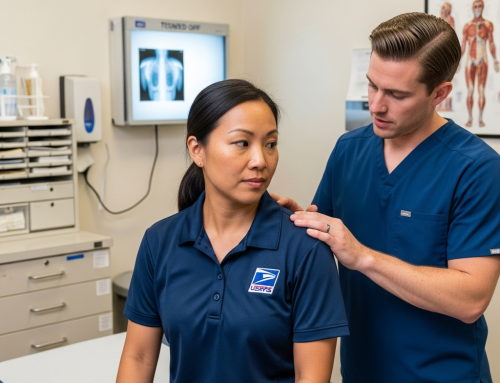
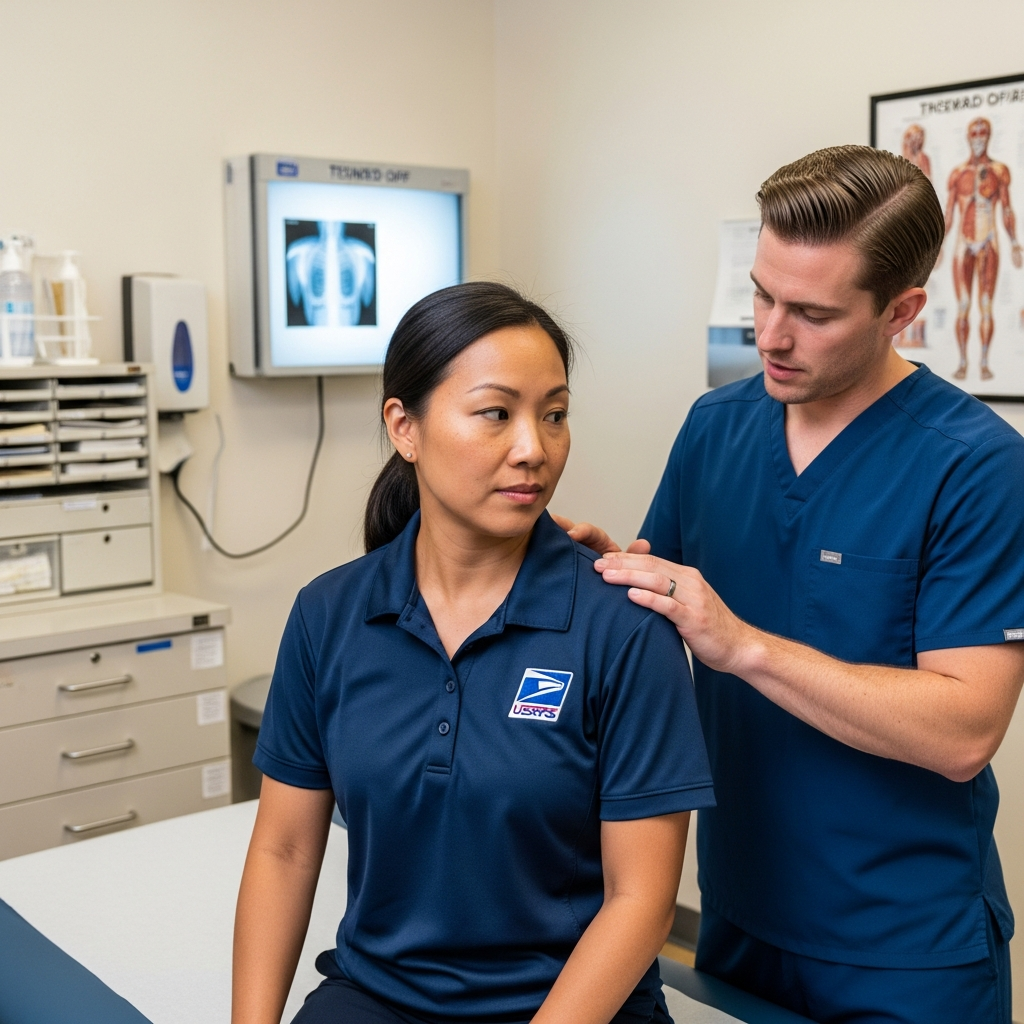
Palm Shores Federal Workers: How DOL Work Comp Medical Care Works

Picture this: You’re walking across the parking lot at work, maybe running a bit late after lunch, when your foot catches that loose piece of concrete you’ve been meaning to report for months. Down you go – hard. Your wrist takes the brunt of it, and that sharp pain tells you immediately this isn’t just a “walk it off” situation.
Now what?
If you’re like most federal workers here in Palm Shores, your first thought probably isn’t “Oh great, time to navigate the wonderful world of workers’ compensation!” It’s more like… well, something unprintable, followed by genuine worry about how you’re going to handle this whole mess.
Here’s the thing – and I see this constantly in my work with federal employees – most people have absolutely no clue how their work injury benefits actually function. They know they *have* coverage (thank goodness), but when it comes to the nuts and bolts? The actual process of getting medical care when you’re hurt on the job? It might as well be written in ancient Greek.
And honestly, that’s not your fault. The Department of Labor’s Federal Employees’ Compensation Act (FECA) system – yeah, that’s the official name for your work comp coverage – wasn’t exactly designed with user-friendliness in mind. It’s like they took everything that could be complicated about healthcare and workers’ comp, threw it in a blender, and said “Perfect! This will definitely make sense to someone dealing with a fresh injury.”
But here’s what I want you to understand: you don’t have to figure this out the hard way. You don’t have to be that person limping around the office for weeks because you’re not sure if your doctor visit will be covered, or worse – avoiding treatment altogether because the whole system feels too overwhelming to tackle while you’re in pain.
I’ve been helping federal workers navigate these waters for years now, and I’ve seen the same patterns over and over. Smart, capable people – folks who manage complex projects and handle serious responsibilities every day – suddenly feeling completely lost when it comes to their own medical benefits. It’s like being fluent in English but then someone hands you a technical manual written in… well, still English, but the kind that makes your eyes glaze over.
The truth is, once you understand how DOL work comp medical care actually works – and I mean really understand it, not just have a vague idea – it becomes so much more manageable. You’ll know exactly what steps to take right after an injury occurs. You’ll understand which doctors you can see (and which ones you can’t). You’ll know what forms need to be filed when, and what happens if something goes wrong with a claim.
More importantly? You’ll have confidence. That panicked, helpless feeling that comes with workplace injuries – it largely disappears when you know the system has your back and you know how to work with it effectively.
Over the next few sections, we’re going to walk through everything together. I’ll show you how to handle those first critical moments after an injury (because yes, timing matters more than you might think). We’ll talk about choosing healthcare providers – and trust me, not all doctors are created equal when it comes to FECA claims.
You’ll learn about the approval process for medical treatments… which sounds boring until you realize it’s the difference between getting the care you need quickly versus waiting months for authorization. We’ll cover what to do when things don’t go according to plan – because let’s be real, bureaucracy isn’t known for its smooth sailing.
And throughout all of this, I’ll share the insider knowledge I’ve picked up from years of seeing what works and what doesn’t. The little tricks that can save you weeks of headaches. The common mistakes that can derail your claim before it even gets started.
Because at the end of the day, this isn’t just about paperwork and procedures. It’s about getting you healthy, getting you back to your life, and making sure you don’t have to stress about the administrative side of things while you’re trying to recover.
Ready to demystify this whole process? Let’s dig in…
The Basics: What DOL Work Comp Actually Covers
Think of DOL work comp like having a very specific insurance policy that only kicks in under certain circumstances. It’s not your regular health insurance – it’s more like that emergency fund you keep for when life throws you a curveball, except this curveball has to happen at work.
The Department of Labor oversees this whole system for federal employees, and honestly? It can feel like navigating a maze sometimes. You’re injured on the job, you file a claim, and then… well, that’s where things get interesting.
Here’s the thing that trips up most people: work comp doesn’t just automatically pay for everything medical. I know, I know – you’d think if you got hurt at work, work would cover it all. But there’s this whole approval process, and certain treatments need pre-authorization, and some doctors are “in network” while others aren’t. It’s like your regular insurance, but with an extra layer of bureaucracy on top.
The Magic Words: “Accepted Conditions”
This is where it gets a bit… well, bureaucratic. Your claim has what’s called “accepted conditions” – basically, the specific injuries or illnesses that DOL has officially said “yes, this happened because of work, and we’ll cover treatment for it.”
Let’s say you hurt your back lifting boxes. If DOL accepts your claim for “lumbar strain,” they’ll cover treatments related to that lumbar strain. But if six months later you develop shoulder problems and you can’t prove they’re related to that original back injury? That might be a whole separate battle.
It’s kind of like having a coupon that’s very specific about what it covers. The fine print matters – a lot.
Your Medical Network: It’s Complicated
Now, about choosing doctors… this isn’t like your regular health insurance where you pick someone from a book. With DOL work comp, you initially get to choose your own physician – which sounds great, right? And it is, mostly.
But here’s the catch (there’s always a catch): that doctor needs to be willing to work with the work comp system. Some doctors – particularly specialists – just don’t want to deal with all the paperwork and approval processes. Can’t really blame them.
After a while, if DOL wants to send you to one of their approved doctors for an evaluation, they can do that too. It’s called an “independent medical examination,” though between you and me, the word “independent” always makes me raise an eyebrow a bit.
The Authorization Dance
This part can be genuinely frustrating. Many treatments need something called prior authorization – basically, DOL has to say “okay, we agree this treatment makes sense” before you can get it.
Your doctor submits a request, explains why you need the treatment, and then… you wait. Sometimes it’s approved quickly, sometimes it takes weeks. It’s like asking permission to fix something that’s clearly broken.
Physical therapy? Usually pretty straightforward to get approved. MRI? Might need some justification. Surgery? That’s going to require a whole conversation. Alternative treatments like acupuncture or chiropractic care? Well, that depends on your specific case and sometimes feels like rolling dice.
The Money Flow: Who Pays What When
Here’s something that confuses almost everyone at first: you might not pay anything upfront, or you might pay and get reimbursed later. It depends on whether your doctor has set up billing arrangements with DOL directly.
Some providers will bill DOL directly – you show up, get treated, and never see a bill. Others will expect payment from you first, then you submit receipts to get reimbursed. And yes, this can change from appointment to appointment, even with the same doctor.
The reimbursement process isn’t terrible, but it’s not instant either. Think weeks, not days. And keep every receipt – I mean everything. That parking fee at the medical center? Potentially reimbursable. Mileage to appointments? Yep, that too.
When Things Don’t Go Smoothly
Let’s be honest – sometimes claims get denied, or certain treatments aren’t approved, or there’s disagreement about whether your condition is really work-related. It happens more often than anyone would like.
The good news? There’s an appeals process. The less good news? It can take time, and navigating it without some guidance can feel overwhelming. But here’s what most people don’t realize: having support – whether from your union, an attorney, or even just someone who understands the system – makes a huge difference in outcomes.
Getting Your Initial Medical Care Approved Fast
Here’s what most federal workers don’t know – you’ve got 72 hours to report your injury, but that doesn’t mean you wait 72 hours to see a doctor. Get medical attention immediately, then handle the paperwork. I’ve seen too many Palm Shores workers lose out on benefits because they thought they had to file first.
Your supervisor might tell you to “see how you feel tomorrow” or suggest using your regular health insurance. Don’t do it. Once you use your Federal Employee Health Benefits for a work injury, untangling that mess becomes a nightmare. Trust me on this one.
The CA-1 and CA-2 Forms – Your Golden Tickets
The CA-1 is for sudden injuries (that slip on the wet courthouse steps), while CA-2 covers occupational diseases or conditions that develop over time. Most Palm Shores federal workers think they need perfect documentation before submitting – wrong. You can file with partial information and add details later.
Here’s an insider tip: when describing your injury, be specific but don’t diagnose yourself. Instead of writing “I think I herniated a disc,” write “I felt sharp pain shoot down my left leg when I lifted the box of files.” Let the doctors do the diagnosing – your job is painting the picture of what happened.
Choosing Your Doctor Strategically
You’re not stuck with whoever DOL assigns you. Within the first 30 days, you can choose any doctor you want – after that, you need DOL approval to change. This is huge, especially in Palm Shores where you’ve got excellent medical facilities nearby.
Look for doctors who are familiar with workers’ compensation cases. They understand the paperwork, they know how to document properly, and they won’t get frustrated with the DOL’s requirements. Ask the clinic staff directly: “How often do you handle federal workers’ comp cases?” If they seem confused or hesitant… keep looking.
The Medical Treatment Authorization Game
Every treatment needs pre-authorization from DOL – except emergency care. But here’s where it gets tricky: what counts as “emergency” is broader than you might think. Severe pain that prevents you from working? That’s often considered urgent care that doesn’t need pre-approval.
Your doctor will submit a Form CA-2012 for treatment authorization. If DOL doesn’t respond within 14 days, the treatment is automatically approved. Many doctors don’t know this rule, so you might need to gently remind them. It’s in 20 CFR 10.310 if anyone asks for the specific regulation.
Dealing with Independent Medical Exams
DOL might send you for an Independent Medical Exam (IME) – and yes, I know, calling it “independent” when they’re paying for it feels like a joke. But these exams are part of the process, especially for complex cases.
You have rights during an IME that most workers don’t know about. You can have the exam recorded (at your expense), you can bring a representative, and you can request a copy of the doctor’s report. The examining doctor can assess your condition, but they can’t perform procedures or treatments – if someone tries, speak up.
Managing Ongoing Medical Care
Once your claim is accepted, you’ll need to stay on top of your medical care coordination. DOL pays bills directly to your providers, but billing snafus happen constantly. Keep a folder with all your medical appointments, treatments, and correspondence.
If a provider bills you directly, don’t panic and don’t pay immediately. Contact DOL’s bill processing center and your claims examiner. Most of these billing errors get resolved, but it takes persistence… and documentation.
The Pharmacy Prescription Dance
Getting prescription medications covered requires your doctor to submit specific forms to DOL’s pharmacy contractor. The process can take several days, which is problematic when you’re in pain. Ask your doctor about getting a small starter supply while the authorization processes – many will do this for established patients.
When Medical Care Gets Denied
If DOL denies a treatment request, you have 30 days to request a hearing before an administrative law judge. But before you go that route, try working with your claims examiner. Sometimes denials happen because of missing information or unclear medical documentation – not because the treatment isn’t necessary.
Your doctor can also submit additional medical evidence supporting the treatment request. I’ve seen cases where a simple letter from the physician explaining why the treatment is related to the work injury completely reversed a denial.
The key is staying organized, asking questions, and remembering that you’re entitled to reasonable medical care for your work-related injury. It’s not always smooth sailing, but knowing these details puts you ahead of most federal workers navigating this system.
When the System Doesn’t Feel Like It’s Working for You
Let’s be honest – DOL workers’ comp can feel like trying to navigate a maze while blindfolded. You’re dealing with an injury, worried about your job, and suddenly you’re drowning in paperwork that might as well be written in ancient Greek. I’ve seen too many federal workers get frustrated and give up on care they desperately need.
The biggest issue? Communication breakdowns. Your claims examiner might take weeks to respond to urgent requests. Your doctor’s office doesn’t understand federal workers’ comp forms (they’re used to regular insurance). And you’re stuck in the middle, wondering if anyone actually knows what they’re doing.
Here’s what actually helps: Keep a detailed log of every phone call, email, and letter. I know it sounds tedious, but when your examiner says they never received that medical report… well, you’ll have proof you sent it three times. Create a simple spreadsheet with dates, who you spoke with, and what was discussed. Trust me on this one.
The Pre-Authorization Nightmare
Nothing – and I mean nothing – will slow down your treatment like getting caught in the pre-authorization web. You need an MRI, but first you need approval. Your doctor submits the request, then… crickets. Weeks go by. Your pain gets worse. You call the DOL, they say they’re “reviewing it.”
The solution isn’t pretty, but it works: Become the squeaky wheel. Call every few days (politely but persistently). Ask for supervisor escalation when needed. Document everything – when you called, who you spoke with, what they promised.
And here’s something most people don’t know: you can often get your doctor’s office to help advocate for you. They deal with insurance companies all day, every day. A call from a medical professional carries more weight than one from a patient. Don’t be shy about asking them to follow up on your behalf.
Finding the Right Doctors (Who Actually Understand Federal Workers’ Comp)
This is where things get really frustrating. You need a specialist, but not every doctor accepts DOL cases. Why? The paperwork is different, the billing process is more complex, and frankly, some practices just don’t want the hassle.
Start with the DOL’s provider directory, but don’t stop there. Call ahead and specifically ask: “Do you have experience with federal workers’ compensation cases?” If they hesitate or transfer you to three different people… that’s your red flag.
Actually, here’s a better approach: ask your current treating physician for referrals. They know which specialists in the area are familiar with DOL requirements. It’s like getting restaurant recommendations from a chef – they know who’s really good at what they do.
The Second Opinion Trap
Sometimes you’ll disagree with your doctor’s treatment plan, or you’ll want another perspective. That’s completely reasonable – it’s your body and your health. But getting a second opinion through DOL workers’ comp isn’t as simple as making an appointment.
You need prior approval for that second opinion, and here’s the kicker: if you go ahead without approval, you might be stuck with the bill. The process can take weeks, during which your condition might be getting worse.
The workaround? Be upfront with your claims examiner about why you want a second opinion. “I’m not seeing the improvement we expected” carries more weight than “I just want to see someone else.” Frame it as being thorough about your recovery, not questioning your current doctor’s competence.
When Treatments Get Denied
This is the gut punch nobody wants to talk about. Your doctor recommends physical therapy, injections, or surgery… and the DOL says no. You’re left wondering if you’ll ever get better, and whether fighting the decision is worth the energy you don’t have.
Here’s what I’ve learned from watching people navigate this successfully: Don’t take the first “no” as final. Most denials can be appealed, but you need to understand why they said no in the first place. Was it missing documentation? Did your doctor not explain why the treatment was necessary? Sometimes it’s just a matter of resubmitting with better supporting evidence.
Get your doctor involved in the appeal process. They need to write a detailed letter explaining not just what treatment you need, but why alternative treatments won’t work for your specific situation. The more specific and medically justified the request, the better your chances.
And remember – you don’t have to do this alone. There are patient advocates and attorneys who specialize in DOL cases. Sometimes just having someone who speaks the system’s language can make all the difference.
What to Expect: The Reality of DOL Medical Care Timelines
Here’s the thing about federal workers’ comp – it’s not exactly known for its lightning speed. I wish I could tell you that everything happens overnight, but that wouldn’t be doing you any favors. The Department of Labor operates more like a careful librarian than a NASCAR pit crew, and honestly? That’s probably for the best when it comes to your medical care.
Initial claim approval can take anywhere from 45 to 120 days. Yeah, I know – that’s a pretty wide range. But here’s what I’ve seen: straightforward cases (clear injury, obvious cause, good documentation) tend to move faster. Complex situations or cases where causation isn’t crystal clear? They’re going to take longer. The DOL wants to get it right, not fast.
Once your claim is approved, getting that first medical appointment usually happens within 2-4 weeks. Not terrible, but not exactly same-day service either. Your case manager will typically reach out within the first week after approval to start coordinating care. If you don’t hear from them… well, that’s when you politely but persistently follow up.
The Medical Provider Dance
Finding the right doctors can feel like dating – lots of initial meetings before you find “the one.” Not all healthcare providers accept DOL cases (the paperwork can be, let’s say, enthusiastic), so your options might be more limited than with regular insurance.
Your case manager will provide a list of approved providers, but here’s something they don’t always mention upfront: you can request specific doctors or specialists if you have preferences. You’re not locked into whoever they suggest first. I’ve seen people assume they had no choice and end up with providers they weren’t comfortable with – don’t be that person.
Specialist referrals? Add another 2-3 weeks to your timeline. The DOL requires pre-authorization for most specialist visits, and yes, that means more paperwork floating around various desks. Physical therapy usually gets approved faster than surgical consultations – keep that in mind when planning your expectations.
Your Role in Moving Things Along
You’re not just a passenger in this process – you’re actually the driver, even if it doesn’t always feel that way. Staying organized makes a huge difference. Keep copies of everything. I mean everything. Medical reports, correspondence, claim forms… create a folder (physical or digital) and guard it like it contains state secrets.
Communication is your superpower here. When you call your case manager, have your claim number ready and know exactly what you need. “I’m calling to follow up on my MRI authorization request from two weeks ago” works infinitely better than “So… what’s happening with my stuff?”
Actually, that reminds me – don’t be afraid to ask questions. What’s the timeline for this approval? Who do I contact if I don’t hear back by then? What documentation do they need from me? Your case manager has heard these questions a thousand times. They’re not going to think you’re being pushy.
When Things Get Complicated
Sometimes the process hits speed bumps. Claims get contested. Medical opinions differ. Paperwork gets lost in the bureaucratic abyss. It happens, and it’s frustrating as hell when you’re dealing with pain or mobility issues on top of everything else.
If your claim gets denied initially, don’t panic. About 30% of initial denials get overturned on appeal – those aren’t terrible odds. The appeals process adds time (usually 60-90 days), but it’s often worth pursuing, especially if you have good medical documentation supporting your case.
Second opinions are sometimes necessary, particularly for complex conditions or when surgery is recommended. The DOL actually encourages this for major medical decisions – they’d rather spend money upfront than deal with complications later.
Keeping Your Sanity During the Wait
Look, I won’t sugarcoat it – this process tests your patience. There will be days when you feel like you’re shouting into the void. That’s normal. Most people go through some version of this frustration.
Set realistic expectations for yourself and your family. This isn’t a sprint; it’s more like a marathon with several water stops. Focus on what you can control: following up appropriately, keeping good records, and taking care of your health in the meantime.
Remember that once things get rolling, they typically stay in motion. The hardest part is usually those first few months when everything feels uncertain.
You know what? Going through a work injury as a federal employee doesn’t have to feel like you’re navigating a maze blindfolded. Sure, the Department of Labor’s system has its quirks – and yes, there are forms that seem designed by someone who really, really loves paperwork – but once you understand how it all works, it becomes much more manageable.
The thing is… you’re not just another case number in some filing cabinet. You’re someone who got hurt while serving the public, and that matters. The DOL system exists specifically because Congress recognized that federal workers like you deserve comprehensive medical care when work-related injuries happen. It’s not charity – it’s what you’ve earned.
Your Rights Are Real (And Worth Fighting For)
Here’s what I want you to remember on those days when the process feels overwhelming: you have the right to quality medical care. You have the right to choose your treating physician after that initial visit. You have the right to second opinions, specialized treatments, and even alternative therapies when they’re medically necessary.
Sometimes federal employees feel like they should just “tough it out” or settle for whatever treatment gets approved fastest. But here’s the thing – your health isn’t something to compromise on. If your doctor says you need that MRI, physical therapy, or specialist consultation, those aren’t luxuries. They’re medical necessities that the system is designed to cover.
The Support Network You Didn’t Know You Had
One of the best-kept secrets? You’re not alone in this process. Your human resources department, your supervisor (the good ones, anyway), and even your union representative can be valuable allies. They’ve seen other employees go through similar situations and often know shortcuts you won’t find in any manual.
And let’s be honest – sometimes you need someone in your corner who speaks “bureaucracy” fluently. Whether that’s a knowledgeable colleague, a union rep, or a professional who specializes in federal workers’ compensation, having an advocate can make all the difference between getting stuck in administrative limbo and actually getting the care you need.
Moving Forward with Confidence
Recovery isn’t just about healing physically – though that’s certainly the priority. It’s also about getting back to feeling secure in your career and confident about your future. The DOL system, for all its complexity, is actually designed to support both goals. From covering ongoing treatments to providing vocational rehabilitation when needed, the resources are there.
Look, I get it. Maybe you’re reading this at 2 AM because you can’t sleep due to pain, or you’re worried about medical bills, or you’re frustrated because it feels like everyone’s speaking a different language when you just want to get better. Those feelings are completely valid.
If you’re feeling overwhelmed by the workers’ compensation process or aren’t getting the medical care you need, you don’t have to figure this out alone. Sometimes a conversation with someone who understands both the medical and administrative sides of federal workers’ comp can clarify your options and help you move forward more effectively.
Your health and recovery matter. Don’t let bureaucratic hurdles keep you from getting the comprehensive care you deserve. Reach out when you’re ready – we’re here to help make sense of it all.