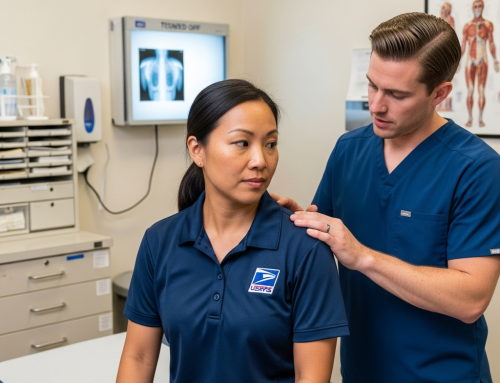
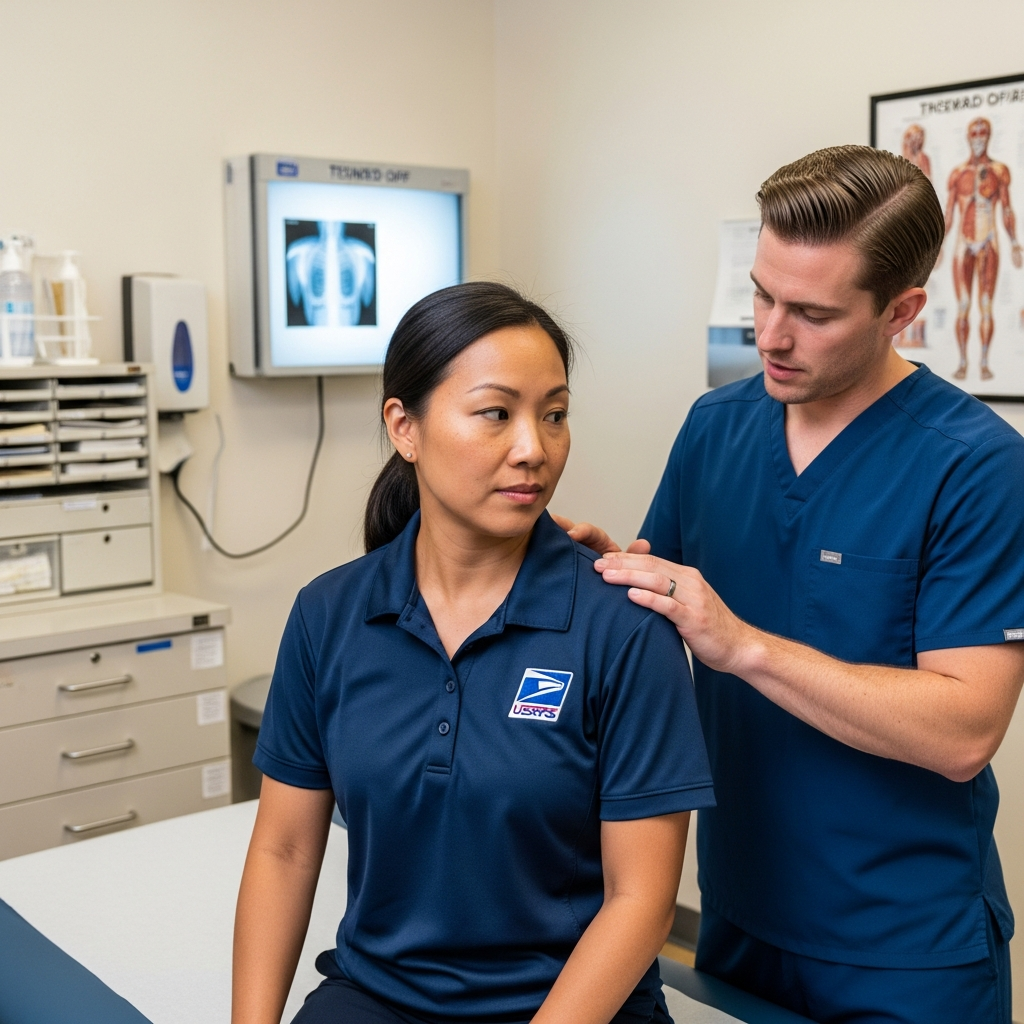
7 Signs You Need a Car Wreck Doctor After an Auto Accident

You’re sitting at a red light, scrolling through your playlist, when BAM – the world lurches forward and your coffee goes flying. Your heart’s racing, your hands are shaking, and that driver behind you is already out of their car, apologizing profusely and asking if you’re okay.
“I’m fine,” you hear yourself saying. Because that’s what we do, right? We brush ourselves off, exchange insurance info, maybe take a few photos… and then we drive home, grateful it wasn’t worse.
But here’s the thing – and I’ve seen this story play out hundreds of times with our patients – three days later, you wake up and your neck feels like it’s been twisted by an angry toddler. Your shoulder throbs every time you reach for something. That headache that started “from stress” hasn’t budged, despite the ibuprofen you’ve been popping like candy.
Sound familiar?
Here’s what nobody tells you in those frantic moments after a fender bender: your body is basically running on pure adrenaline. That fight-or-flight response? It’s incredibly good at masking pain and injury. You could have genuine damage brewing under the surface, and you’d have no clue until days – sometimes weeks – later when the shock wears off and reality sets in.
I get it. The last thing you want to do after dealing with insurance companies and auto body shops is add another appointment to your already chaotic schedule. You’re probably thinking, “It was just a little bump. I don’t want to be dramatic.” But here’s where I need you to flip that script – taking care of yourself isn’t dramatic. It’s smart.
You see, car accident injuries are sneaky little devils. Unlike breaking your arm (where you immediately know something’s wrong), soft tissue damage, whiplash, and even some spinal injuries can hide behind your body’s natural shock response. It’s like your nervous system is playing a really unfortunate game of hide-and-seek with your wellbeing.
And then there’s the insurance maze to consider… Most people don’t realize that many insurance policies have strict timeframes for seeking medical care after an accident. Miss that window because you were “being tough,” and you might find yourself stuck with bills that could’ve been covered. Trust me, that’s not the kind of surprise anyone needs.
But maybe you’re thinking, “Can’t I just go to my regular doctor?” Well, sure – if your family doctor happens to specialize in auto accident injuries. Most don’t, though. It’s not their fault; they’re brilliant at what they do, but car wreck injuries require someone who understands the specific mechanics of how bodies move (and get damaged) during collisions.
That’s where car wreck doctors come in – specialists who’ve seen every type of accident-related injury you can imagine and quite a few you probably can’t. They know how to spot the signs that might slip past a general practitioner’s radar. They understand the insurance process. And honestly? They know how to document everything properly so you’re protected if complications arise down the road.
Now, I’m not trying to scare you into rushing to the ER every time someone taps your bumper in a parking lot. But there are some pretty clear warning signs that your body is trying to tell you something important – signals that you shouldn’t ignore, even if you’re convinced you’re “fine.”
Some of these signs are obvious… but others might surprise you. That slight dizziness you’ve been attributing to stress? The mood changes that seemed to start right after the accident? The way you’ve been sleeping differently? These could all be your body’s way of waving a red flag.
In the next few minutes, we’re going to walk through seven key indicators that it’s time to see a specialist. Some might seem like no-brainers, but others… well, they’re the sneaky ones that catch people off guard. We’ll also talk about why timing matters so much (spoiler alert: it really, really does) and what you can expect when you do decide to get checked out.
Because here’s the bottom line – you’ve got one body, and it’s been through something traumatic, even if it doesn’t feel that way right now. Taking care of it isn’t optional… it’s essential.
Why Your Body Lies to You After a Crash
Here’s the thing that catches most people off guard – your body is basically a terrible witness after an auto accident. You know how adrenaline makes you feel like you could lift a car when you’re angry? Well, it also acts like nature’s most powerful painkiller when you’ve actually been in one.
Think of it this way: your body goes into full survival mode, flooding your system with chemicals that mask pain and keep you functioning. It’s incredibly useful if you’re, say, being chased by a bear. But when you’ve just been rear-ended at a stoplight? That same system can trick you into thinking you’re perfectly fine when you’re actually… not.
I’ve seen people walk away from fender-benders feeling great, only to wake up the next morning moving like they aged thirty years overnight. The medical term for this is “delayed onset pain,” but honestly, I think of it more like your body’s way of playing hide and seek with injuries.
The 48-Hour Rule (And Why It Matters)
Most car wreck doctors will tell you about the magical 48-hour window – that’s typically when the adrenaline wears off and your body starts sending you the real damage report. But here’s what’s counterintuitive: even if you feel fine after those first two days, you might still need medical attention.
Your spine, for instance, is like a complex tower of blocks. When that tower gets jolted – even seemingly gently – things can shift in ways that don’t immediately cause problems. Maybe one vertebra is sitting slightly off-center now. Your body, being the remarkable adapter it is, will compensate by making other muscles work harder.
For a while, this compensation works. You might not feel anything wrong. But eventually – could be days, could be weeks – those overworked muscles get tired, joints start protesting, and suddenly you’re dealing with pain that seems to come out of nowhere.
What Makes Car Wreck Injuries Different
You might be wondering, “Can’t my regular doctor handle this?” Well… sort of. But here’s where it gets tricky.
Car accidents create a very specific type of trauma. When your car stops suddenly but your body keeps moving (thanks, physics), you experience what doctors call “acceleration-deceleration injuries.” It’s like being a passenger in your own body during a really turbulent flight.
Your regular family doctor is fantastic for a lot of things – strep throat, annual check-ups, that weird rash you’ve been ignoring. But car wreck injuries often involve complex interactions between your musculoskeletal system, nervous system, and soft tissues. It’s a bit like asking your neighborhood mechanic to work on a Formula 1 race car. They might figure it out, but wouldn’t you rather have someone who specializes in race cars?
The Insurance Factor Nobody Talks About
Here’s something that might surprise you – insurance companies actually prefer when you see a car wreck doctor. I know, I know, that sounds backwards given their reputation for being… let’s say “thrifty” with claims.
But think about it from their perspective. They’d rather have a specialist document your injuries properly from the start than deal with escalating medical bills months later when that “minor” neck strain has turned into chronic headaches and limited mobility.
Car wreck doctors understand how to document injuries in ways that insurance companies recognize and accept. They know which tests to order, what terminology to use, and how to create a paper trail that protects both you and your claim.
When “Fine” Isn’t Actually Fine
This is probably the most important thing to understand: feeling fine after an accident doesn’t mean you are fine. I realize that sounds alarmist, but hear me out.
Your body has an amazing ability to adapt and compensate for problems. Sometimes those adaptations work so well that you don’t realize there’s an underlying issue until much later. It’s like having a small leak in your roof – everything seems fine until one day you notice water damage in the ceiling.
The smart move? Get checked out even if you feel okay. Think of it as an inspection rather than treatment. Most car wreck doctors can do a quick evaluation to either give you peace of mind or catch potential problems early when they’re much easier to address.
Getting the Right Care Without Breaking the Bank
Here’s something most people don’t realize – you don’t have to pay upfront for car accident medical care. Personal injury protection (PIP) coverage kicks in immediately, and if the other driver’s at fault, their insurance should cover your treatment. But insurance companies? They’re not exactly eager to write checks.
Start by calling your insurance company within 24 hours of the accident. Get your claim number and ask specifically about your medical coverage limits. Some policies cover up to $10,000 in immediate medical expenses, no questions asked. Keep that claim number handy – you’ll need it at every appointment.
Pro tip: If you’re dealing with severe injuries and the other driver’s insurance is dragging their feet, consider finding a doctor who works on a lien basis. They’ll treat you now and wait for payment until your case settles. Not every doctor offers this, but many who specialize in auto accidents do.
Documentation That Actually Matters
You’ve probably heard “document everything,” but let me tell you what actually counts. Insurance adjusters aren’t impressed by your general complaints – they want specifics.
Keep a daily symptom diary on your phone. Note your pain level (1-10 scale), what activities hurt, sleep quality, and how symptoms affect your work. Did your neck start throbbing during that Tuesday morning meeting? Write it down. Couldn’t turn your head to check your blind spot? That’s gold.
Take photos of visible injuries every few days, even as they heal. Bruises change color and fade – that progression tells a story. And here’s something most people miss: photograph your damaged car from multiple angles. The connection between vehicle damage and your injuries isn’t always obvious, but it’s powerful evidence.
Save every medical receipt, parking stub from doctor visits, even ride-share receipts when you couldn’t drive yourself. These “little” expenses add up fast.
Questions to Ask Your Doctor (That Could Save Your Case)
Most people walk into their first appointment and just… wing it. Don’t do that. Come prepared with specific questions that help both your recovery and any potential legal claim.
Ask about your prognosis – not just “will I get better,” but specifics. How long might symptoms last? What’s the likelihood of chronic issues? Will you need ongoing treatment? Get these answers in writing if possible.
Request detailed explanations of how your injuries connect to the accident mechanism. When your doctor explains that your headaches stem from whiplash caused by the rear-impact collision, that’s not just medical information – it’s legal ammunition.
Don’t forget to ask about work restrictions. Even if you feel like you can push through, having official documentation about lifting limits or computer work restrictions protects you legally and medically.
The Follow-Through Game Plan
Here’s where most people drop the ball – they start treatment but don’t finish it properly. Insurance companies love this because incomplete treatment suggests your injuries weren’t that serious.
Attend every scheduled appointment, even if you’re feeling better. Canceling appointments sends the wrong message, and you might be improving because the treatment is working, not because you’re fully healed.
If financial concerns are making you skip appointments, talk to your doctor’s billing department. Many offer payment plans, and some will work with your attorney if you have one. Don’t just disappear – communicate.
Keep all your specialists in the loop with each other. Your primary care doctor should know you’re seeing a chiropractor. Your physical therapist should understand what your orthopedist recommended. This coordination prevents conflicting treatments and creates a comprehensive medical record.
When to Consider Legal Help
You don’t automatically need a lawyer after every fender-bender, but certain situations practically scream for legal representation. If your medical bills are climbing toward your insurance limits, if the other driver’s insurance is denying coverage, or if you’re missing significant work time – yeah, it’s time to make some calls.
Most personal injury attorneys work on contingency, meaning they don’t get paid unless you do. Initial consultations are typically free, so there’s no harm in getting a professional opinion on whether your case has legs.
The sweet spot for calling an attorney? After you’ve started medical treatment and have a clearer picture of your injuries, but before you’re pressured into accepting any settlement offers. Insurance companies often push quick, lowball settlements on people who don’t know better.
Remember – you’re not being greedy by seeking fair compensation. You’re protecting your future self from medical bills and lost wages you can’t predict yet.
The “I Feel Fine” Trap
Here’s the thing that trips up almost everyone – you walk away from that fender bender feeling perfectly normal. Maybe a little shaken up, sure, but nothing a good cup of coffee can’t fix. So you skip the doctor visit, file your insurance claim, and move on with your life.
Then three days later… hello, neck pain. A week after that? Your back’s screaming every time you get out of bed.
This isn’t your body playing tricks on you – it’s adrenaline being a really convincing liar. When your fight-or-flight response kicks in (which it absolutely does during an accident), your body floods with hormones that mask pain. It’s like nature’s own temporary anesthetic, except nobody tells you when it wears off.
The solution? Get checked within 72 hours, even if you feel great. I know, I know – it feels dramatic when you’re not hurting. But think of it like this: you wouldn’t skip a fire inspection just because you don’t see flames, would you?
When Insurance Companies Play Hardball
Let’s be real about insurance adjusters for a minute. They’re not evil people, but they work for companies whose job it is to… well, pay out as little as possible. That’s just business.
The challenge? They’re really good at making you feel like you’re being unreasonable for wanting medical care. They’ll use phrases like “minor accident” or suggest that your pain isn’t “accident-related” if you waited a few days to see someone. They might even recommend their own doctors – who, coincidentally, tend to find fewer problems than independent physicians.
Here’s your game plan: document everything from day one. Take photos of your car, the scene, any visible injuries (even tiny bruises). Keep a daily pain journal – yes, it sounds tedious, but noting “woke up with stiff neck, 4/10 pain” carries more weight than “it hurt sometimes.”
And here’s something most people don’t know – you have the right to choose your own doctor. The insurance company can recommend all they want, but they can’t force you to see their preferred providers.
The Specialist Shuffle Maze
Getting referred to the right specialist can feel like trying to solve a Rubik’s cube blindfolded. Your primary care doctor might send you to orthopedics, who decides you need physical therapy, who thinks you should see a neurologist, who suggests… you get the picture.
Meanwhile, you’re missing work for appointments, your symptoms are changing, and everyone’s asking you to repeat your story for the fifteenth time. It’s exhausting, and frankly, it makes some people just give up.
The workaround? Find a car wreck doctor or clinic that specializes in auto accident injuries. These practices are set up differently – they often have multiple specialists under one roof, or at least strong relationships with the right referral network. Instead of playing medical ping-pong, you get coordinated care from people who’ve seen your exact situation hundreds of times.
The Time Crunch Reality
Here’s what nobody mentions in those “what to do after an accident” articles – managing your recovery while juggling real life is brutal. You’ve got insurance calls to make, car repairs to coordinate, work deadlines that don’t care about your whiplash, and kids who still need to get to soccer practice.
Adding multiple medical appointments to that chaos? It feels impossible some days.
Look for practices that offer extended hours or same-day appointments. Some car wreck specialists understand this juggling act and structure their schedules accordingly. Also – and this might sound obvious but bears saying – don’t try to be a hero. If your employer offers any flexibility for medical appointments, use it. Your future self will thank you.
When Family and Friends Don’t Get It
“It was just a little accident…”
Sound familiar? Well-meaning people in your life might not understand why you’re still dealing with pain weeks or months later. They see your car got fixed, assume you should be too. This social pressure to “get over it” is real, and it makes people doubt their own experience.
Remember – you don’t need anyone’s permission to take care of your health. Soft tissue injuries, nerve damage, and other common accident injuries aren’t always visible from the outside. That doesn’t make them less real or less deserving of proper treatment.
Your health isn’t up for a vote.
What to Expect When You First Visit a Car Wreck Doctor
Walking into that medical office after an accident… it’s not exactly how you pictured spending your Tuesday, right? Here’s the thing – your first visit is going to be pretty thorough, and that’s actually good news. A car wreck doctor isn’t going to rush you through in ten minutes like some other appointments you’ve had.
Expect to spend about an hour, maybe more, during that initial consultation. They’ll want your whole story – not just the cliff notes version. How fast were you going? Did you see it coming? Where exactly does it hurt? Some of these questions might feel repetitive (trust me, there’s a reason they’re asking three different ways).
You’ll likely get X-rays, possibly an MRI if there are red flags. Don’t panic if they order imaging – it’s often precautionary. Think of it like… well, you wouldn’t buy a house without an inspection, right? They need to see what’s happening under the hood.
The Reality Check: Healing Takes Time
Here’s what nobody wants to hear but everyone needs to know – you’re probably not going to feel amazing next week. Or even next month.
Soft tissue injuries (that’s medical speak for the stuff that got jostled around) typically take 6-12 weeks to heal. Sometimes longer. I know, I know… you’ve got places to be, things to do. But your body didn’t get the memo about your schedule.
The first few weeks? You might actually feel worse before you feel better. It’s like your body’s delayed reaction to trauma – similar to how you don’t feel that workout until the next day, except this can take 48-72 hours to fully kick in.
Your Treatment Plan Won’t Look Like Your Neighbor’s
Every treatment plan is different because every accident is different. Your friend might’ve bounced back from their fender bender in two weeks, but that doesn’t mean there’s something wrong with you if you’re still dealing with symptoms at week six.
Some people need physical therapy. Others might benefit from chiropractic care, massage therapy, or even psychological support (because, honestly, accidents mess with your head too). Your doctor might recommend a combination approach – and that’s totally normal.
Don’t be surprised if they start conservatively. Most good car wreck doctors prefer to begin with less invasive treatments and see how you respond. It’s not that they’re being cheap or lazy – it’s actually smart medicine.
When to Worry (and When Not To)
Some ups and downs are completely normal. You might have a great day followed by two rough ones. That’s not necessarily a sign that you’re getting worse – healing isn’t linear. It’s more like… a stock chart over time. The general trend should be upward, but there’ll be dips.
However – and this is important – you should call your doctor if you experience new symptoms that weren’t there before, or if existing symptoms suddenly get significantly worse. Severe headaches, vision changes, numbness, or tingling? Don’t wait for your next appointment.
Insurance and Documentation: The Boring but Crucial Stuff
Your doctor’s office will likely handle most of the insurance communication, but keep your own records too. Take photos of any visible injuries (I know it feels weird, but do it anyway). Keep a simple pain journal – nothing fancy, just a few notes about how you’re feeling each day.
This documentation isn’t just for insurance claims. It helps your doctor track your progress and adjust treatment accordingly. Plus, three weeks from now, you probably won’t remember exactly how you felt today.
Looking Ahead: The Long Game
Recovery isn’t just about getting back to where you were – though that’s obviously the goal. Sometimes people discover they need to make lifestyle adjustments. Maybe you need a different pillow, or you learn some exercises to prevent future problems.
The good news? Most people do get better. It might take longer than you’d like (doesn’t everything?), but with proper treatment and realistic expectations, you’re likely to see improvement. Just… give it time. Your body’s been through something traumatic, and it needs a chance to heal properly.
Remember, seeking treatment isn’t admitting defeat – it’s taking control of your recovery.
Here’s the thing about car accidents – they mess with your head in ways you don’t expect. One minute you’re driving to work, thinking about your grocery list, and the next… well, everything changes. Your body’s been through something traumatic, even if it doesn’t feel like it right away.
Trust What Your Body’s Telling You
Look, I get it. You don’t want to be dramatic. You don’t want to seem like you’re making a big deal out of nothing. But here’s what I’ve learned after years of helping people navigate this exact situation – your instincts matter. That nagging headache that won’t quit? The stiffness in your neck that’s gotten worse since yesterday? The way you’re sleeping differently now? These aren’t things to brush off.
Your body has an incredible way of protecting you in the moment of impact. Adrenaline floods your system, muscles tense up, your nervous system goes into overdrive. It’s actually pretty amazing when you think about it. But once that initial shock wears off – and it can take days or even weeks – that’s when the real picture starts to emerge.
You’re Not Overreacting
I can’t tell you how many people I’ve talked to who started their conversation with “I don’t want to be a bother, but…” Stop right there. You’re not a bother. You’re not overreacting. You’re being smart.
Think about it this way – if your car got hit, you wouldn’t hesitate to have a mechanic check it out, right? Even if it looked fine on the surface. Your body deserves at least that same level of attention. Actually, it deserves way more… because unlike your car, you can’t just trade in for a newer model.
The signs we’ve talked about – whether it’s that persistent pain, the headaches, the dizziness, or even just feeling “off” – they’re your body’s way of waving a flag. Not necessarily a red flag, but definitely a “hey, maybe we should look into this” kind of flag.
Getting Help Doesn’t Have to Be Scary
I know the thought of more appointments, more paperwork, more… well, more *stuff* to deal with when you’re already overwhelmed can feel exhausting. But working with the right car wreck doctor? It’s actually pretty straightforward. They understand exactly what you’ve been through because they see it every day.
They know how to look for the subtle things that might get missed in an emergency room visit. They understand the timeline of how injuries develop after accidents. And honestly? They’re usually really good at explaining things in a way that actually makes sense.
You Don’t Have to Figure This Out Alone
Whether you’re dealing with obvious pain or just have that gut feeling that something’s not quite right, reaching out for help is one of those decisions you’re unlikely to regret. Even if everything checks out fine – and hopefully it will – at least you’ll know for sure.
If you’re reading this and thinking “maybe I should get checked out,” then you probably should. Trust that instinct. Give us a call, and let’s talk about what’s been going on. We’re here to help you figure out the next steps – no pressure, no sales pitch, just real answers about what your body might be trying to tell you.
Because you matter. And you deserve to feel like yourself again.