Understanding the Role of a DOL Doctor in Federal Workers’ Compensation Claims
Introduction:
Have you ever wondered who plays a critical role in the federal workers’ compensation process to ensure injured federal workers get the medical treatment and compensation they deserve? The answer lies in one important acronym: DOL. But what exactly is a DOL doctor and why should this matter to you as a federal employee or employer? Welcome to our comprehensive guide that will help demystify the role and importance of Department of Labor (DOL) doctors in the sphere of federal workers compensation.
The subject of federal workers’ compensation can often seem like a labyrinth of legalese, bureaucratic processes, and medical jargon. This complexity can be daunting, particularly for federal employees who are grappling with workplace injuries and illnesses. However, understanding key components of the system, such as the significant role of a DOL doctor, can make navigating this maze a lot less intimidating.
As an injured federal worker, you’re entitled to certain benefits under the Federal Employees’ Compensation Act (FECA). These benefits include medical treatment, rehabilitation, compensation for wage loss, and more. However, getting approval for these benefits hinges on accurate diagnosis, appropriate treatment, and timely reporting. That’s where a DOL doctor comes in.
A DOL doctor is a physician who is well-versed in the protocols, paperwork, and specific needs that come into play while treating federal employees who have sustained workplace injuries or illnesses. They are knowledgeable about FECA guidelines and have the expertise to provide the necessary documentation required by the Department of Labor (DOL). Their role is pivotal in ensuring that injured federal workers receive the medical care they need and the compensation they are entitled to.
In this insightful guide, we’ll delve into the details of what a DOL doctor does, why their role is vital in federal workers’ compensation claims, and how to find a DOL doctor. We will also discuss how they can assist in navigating the intricate and often overwhelming process of federal workers comp claims.
Understanding the role of a DOL doctor can make a significant difference in your workers’ compensation claim. The right DOL doctor can help you get the proper treatments and ensure that you’re compensated fairly for your work-related injury or illness. On the other hand, if you’re an employer, understanding this process can help you support your employees better and mitigate potential issues that could arise from workers’ compensation claims.
As we explore the world of DOL doctors and federal workers compensation, we aim to provide you with valuable information that empowers you to make informed decisions, whether you’re an injured federal worker seeking compensation or an employer striving to ensure a fair and efficient process for your staff.
So why should you care about understanding the role of a DOL doctor in federal workers’ compensation? Because knowledge is power. Whether you’re trying to navigate the system after a workplace injury, assisting an injured employee, or simply trying to understand the system better, knowing how each cog in the machine operates is invaluable.
Stay with us as we unravel the intricate dynamics of federal workers’ compensation and shed light on the significant role played by DOL doctors in this process. By the end of this guide, you’ll have a clearer understanding of how the system works and how to navigate it more effectively, ensuring you or your employees get the treatment and compensation deserved.
Understanding the Role of a DOL Doctor in Federal Workers Compensation
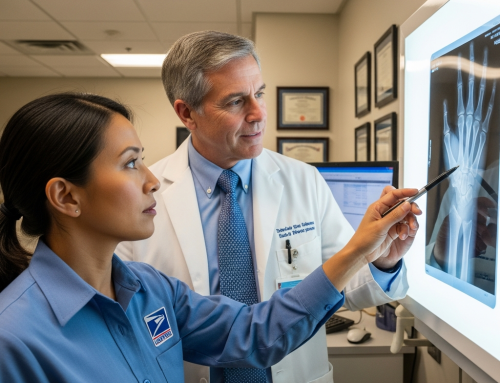
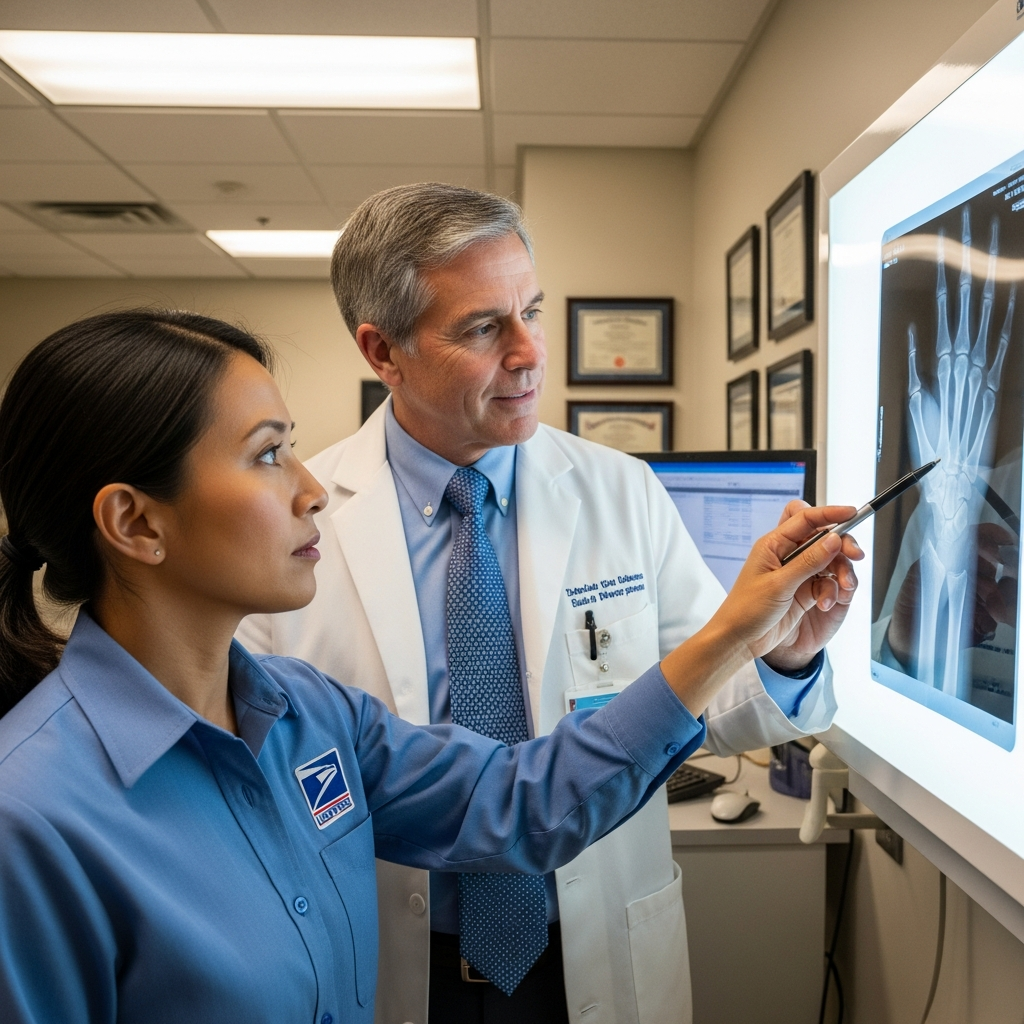
A Department of Labor (DOL) doctor, also known as a Federal Workers Compensation doctor, is a medical professional who has been approved by the Office of Workers’ Compensation Programs (OWCP), a division of the U.S. Department of Labor, to provide medical care to federal employees who have been injured on the job. The DOL doctor plays a crucial role in the federal workers compensation process, and understanding their role is essential for any federal employee seeking compensation for work-related injuries or illnesses.
The Federal Employees Compensation Act (FECA) established the federal workers compensation system in 1916. This act provides compensation benefits to civilian employees of the United States who have been injured or contracted diseases while performing their job duties. These benefits include payment for medical expenses, compensation for wage loss due to temporary or permanent disability, vocational rehabilitation services, and survivor benefits in case of work-related fatalities.
The DOL doctor is a pivotal figure within this system. They are responsible for diagnosing and treating the work-related injury or disease, deciding if the patient is fit to return to work, assessing the degree of disability, and providing ongoing care and treatment. These physicians must follow stringent FECA guidelines while treating federal employees to ensure that they receive appropriate and effective care.
To become a DOL doctor, a physician must register with the OWCP and undergo a rigorous approval process. This process ensures that only qualified medical professionals are tasked with treating federal workers. The doctors must demonstrate their understanding of FECA and its procedures, which includes knowledge about the different types of benefits available, the claims process, and the types of injuries and diseases that are common among federal employees.
Once approved, DOL doctors can treat federal employees who have filed a workers compensation claim. Their primary responsibility is to provide medical treatment that will help the patient recover from their injury or illness and return to work. The DOL doctor will document the patient’s progress, treatment plan, and any restrictions that may impact their ability to perform their job duties. If the patient is unable to return to work due to their condition, the DOL doctor will determine the degree of their disability and report this to the OWCP.
DOL doctors must also maintain detailed medical records of the patient’s condition and treatment. These records are crucial for the successful processing of a workers compensation claim as they provide evidence that the injury or disease is work-related and requires compensation. The DOL doctor’s reports and assessments can significantly impact the outcome of a claim, making their role vital in the federal workers compensation system.
The DOL doctor also plays a significant role in helping patients navigate the often complex federal workers compensation process. They can provide advice and guidance on filing claims, understanding benefits, and managing medical costs. Their expertise in FECA procedures can be invaluable to patients who may be unfamiliar with the workers compensation system.
In summary, a DOL doctor is a medical professional who provides care to federal employees with work-related injuries or diseases, in accordance with the guidelines set by FECA. Their role extends beyond providing medical treatment; they also assess disability, maintain detailed medical records, and guide patients through the federal workers compensation process. Their work is integral to ensuring that federal employees receive the compensation they are entitled to when injured on the job.
Understanding the Role of a DOL Doctor in Federal Workers Compensation
Federal workers who get injured on the job have special rights and protections under the Federal Employees’ Compensation Act (FECA). A critical part of this process is seeing a Department of Labor (DOL) doctor. Let’s dive deeper into understanding what a DOL doctor is, why they play a crucial role in federal workers compensation, and how you can navigate the process.
A DOL doctor is a healthcare provider who is approved by the Department of Labor’s Office of Workers’ Compensation Programs (OWCP). These doctors are familiar with the federal workers’ compensation system, FECA regulations, and the specific procedures necessary to expedite claims and ensure that injured workers receive the medical care and benefits they deserve.
Here are the steps to follow when dealing with federal workers compensation
1. Report Your Injury: As soon as you’re injured at work or realize you have a work-related illness, report it to your supervisor. You’ll need to fill out Form CA-1 or CA-2, depending on whether it’s a traumatic injury or occupational disease. This step should be taken promptly, as delays can lead to complications in your claim.
2. Seek Medical Attention: You can initially choose any doctor for your immediate medical care. However, for ongoing treatment, it’s essential to choose a DOL-approved doctor. They will fill out the necessary forms (like Form CA-20) and communicate directly with OWCP about your condition and treatment plan.
3. Choose a DOL Doctor: To find a DOL doctor, use the OWCP Medical Provider search tool on the DOL website. Remember, not every physician understands the intricacies of FECA and OWCP procedures. The right DOL doctor will not only treat your injuries but also advocate for your rights.
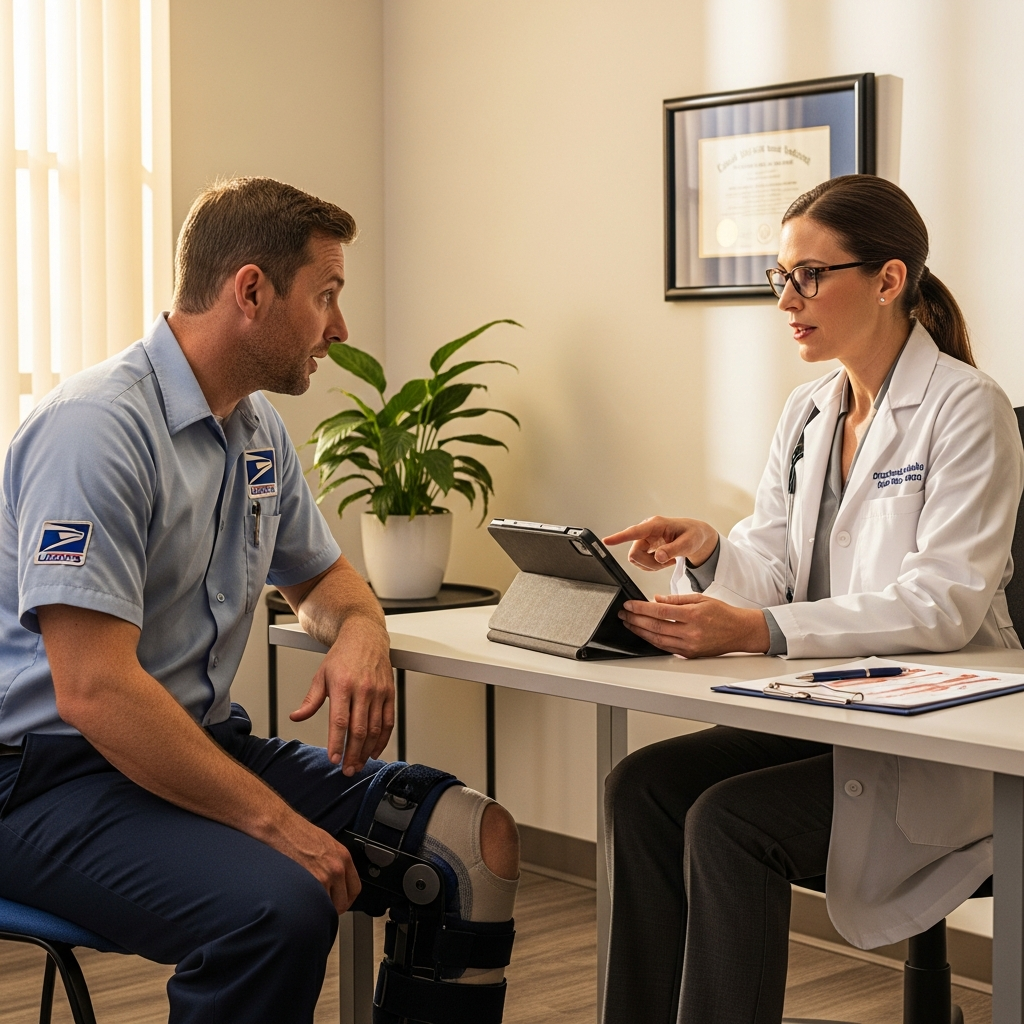
Let’s illustrate this with a scenario. Suppose you’re a federal worker who’s injured while on duty. You report the injury, seek immediate medical attention, and then start looking for a DOL doctor for ongoing treatment. You find Dr. Smith who is a DOL-approved doctor. During your first visit, Dr. Smith conducts a thorough examination and discusses your work-related injury in detail. They take the time to fill out Form CA-20 accurately, detailing your diagnosis, treatment plan, and estimated recovery time.
In this scenario, Dr. Smith is not just treating your injury. They are playing a pivotal role in your federal workers’ compensation claim by providing essential medical evidence and ensuring it aligns with OWCP procedures. This can significantly influence the success of your claim.
Next, let’s consider actionable advice to ensure you make the most of your interactions with a DOL doctor
a. Be Open and Honest: During your appointments, be completely honest about your symptoms, pain levels, and how the injury affects your daily life. This information helps the doctor understand your condition better and provide appropriate treatment.
b. Ask Questions: Don’t hesitate to ask questions about your condition, treatment options, or anything related to your claim. A good DOL doctor will always be ready to clarify your doubts.
c. Keep Consistent Records: Ensure all your medical records, including prescription receipts, are kept safe and organized. These may be needed for your claim.
d. Follow the Doctor’s Advice: It’s crucial to follow your doctor’s advice regarding treatment and rehabilitation to ensure a smooth recovery and solidify your claim.
Understanding the role of a DOL doctor in federal workers’ compensation can mean the difference between a successful claim and a denied one. By choosing a DOL doctor for ongoing treatment when injured on the job, you not only ensure appropriate medical care but also create a strong advocate for your rights within the federal workers’ compensation system.
Understanding the Role of a DOL Doctor in Federal Workers Compensation
Federal workers compensation is a complex field, often filled with bureaucratic hurdles, medical jargon, and legal complexities. One key player often misunderstood in this scope is the Department of Labor (DOL) doctor. This article aims to demystify the role of a DOL doctor, shedding light on common challenges, providing solutions and offering expert tips to help you navigate the federal workers compensation terrain.
A DOL doctor is a medical professional who is approved by the Department of Labor’s Office of Workers’ Compensation Programs (OWCP) to treat injured federal employees. This is an important distinction to note: not all doctors are DOL doctors. Some may be unfamiliar with the intricacies of federal workers compensation, leading to errors in paperwork or treatment plans that can negatively impact your claim.
One common challenge injured federal employees face is finding a doctor who understands the federal workers compensation process. Many doctors shy away from becoming DOL doctors due to the paperwork, strict regulations, and the reimbursement rates set by OWCP. As a result, it can be difficult for injured federal workers to find a doctor who is both qualified and willing to navigate the OWCP system.
To overcome this challenge, there are databases available online that list DOL-approved doctors by state. Additionally, contacting your local union or professional organization may provide referrals to DOL doctors in your area. Remember, it’s crucial to ensure your doctor is DOL-approved as seeking treatment from an unapproved doctor can lead to denial of your compensation claims.
Another common misconception about DOL doctors is that they are biased towards the government. This is not true. Although these doctors are approved by the DOL, they are independent medical professionals committed to providing the best possible care for their patients. Their role is to diagnose your injury, treat it, and accurately report it to OWCP.
However, some unscrupulous doctors might downplay your injury or rush your recovery to get you back to work quickly. To avoid this, it’s important to be proactive about your health. Clearly communicate your symptoms and concerns to your doctor, and never agree to return to work until you feel ready. If you feel your concerns are not being addressed, remember that you have the right to seek a second opinion.
An often overlooked aspect of federal workers compensation is the importance of proper documentation. A significant part of a DOL doctor’s role is to provide accurate and timely documentation to OWCP. This paperwork is essential in determining the extent of your injury, your treatment plan, and your eligibility for compensation.
Therefore, it’s essential to keep open lines of communication with your DOL doctor regarding all aspects of your injury and treatment. Make sure they are accurately documenting your symptoms, treatments, and progress. If you notice any discrepancies or omissions in your medical records, address them immediately.
Federal workers compensation is a specialized field with its own rules and procedures, which can be daunting to navigate. However, understanding the role of a DOL doctor can make the process less intimidating.
In conclusion, when dealing with federal workers compensation, it’s crucial to find a qualified DOL doctor who understands the OWCP system. Being proactive about your health and ensuring proper documentation of your injury and treatment can significantly improve the chances of a successful claim. Remember, the goal is not just to return to work quickly, but to recover fully and safeguard your rights as a federal worker.
Understanding the Role of a DOL Doctor in Federal Workers Compensation
The Department of Labor (DOL) plays a critical role in managing the federal workers compensation program, known as the Federal Employees’ Compensation Act (FECA). One of the key components in this process is the DOL doctor, a medical professional authorized by the Department to treat injured federal employees and participate in their workers comp claims.
Understanding the Role of a DOL Doctor
A DOL doctor is an independent healthcare provider who is certified and approved by the Department of Labor to treat federal employees who have been injured or contracted an illness due to their job. Their role goes beyond simply providing medical care. They are instrumental in diagnosing and documenting the extent of the injury, determining the relationship between the injury and the claimant’s job, guiding the treatment plan, and providing ongoing evaluations throughout the recovery process.
The DOL doctor’s medical reports carry significant weight with the DOL’s Office of Workers’ Compensation Programs (OWCP). These reports can directly influence the approval or denial of a federal workers compensation claim, as well as determine the duration and extent of benefits. Therefore, it’s crucial for federal employees to select a DOL doctor who is experienced in occupational medicine and understands the intricacies of FECA.
What to Expect
When you visit a DOL doctor for an examination related to a work injury or illness, you should expect a thorough review of your medical history, followed by a comprehensive physical examination. The doctor will also ask detailed questions about your job duties, work environment, and the circumstances of your injury.
The doctor will then prepare a detailed medical report that includes diagnostic findings, treatment recommendations, prognosis, and an evaluation of any pre-existing conditions. This report will be submitted to the OWCP as part of your compensation claim.
Timelines
The timelines associated with DOL doctor visits depend on various factors, including the type of injury or illness, the complexity of the case, and the specific requirements of the FECA. However, generally, you should expect to have your first visit with a DOL doctor as soon as possible after a job-related injury or illness occurs.
Subsequent visits will depend on the nature of your condition and the recommended treatment plan. For ongoing conditions, you may need to see your DOL doctor periodically for re-evaluation. These follow-up visits and reports are essential in ensuring that you continue to receive the appropriate level of benefits.
Next Steps
If you’re a federal employee who’s been injured on the job or contracted a work-related illness, your first step is to notify your employer and file a claim with the OWCP. You’ll then need to select a DOL doctor for your initial evaluation.
Keep in mind that not all doctors are certified DOL providers. To find an approved DOL doctor in your area, you can use the OWCP Medical Provider search tool on the DOL’s website.
Once you’ve selected a DOL doctor and undergone your evaluation, it’s crucial to follow all recommended treatments and adhere to any work restrictions outlined by your doctor. Failure to do so could jeopardize your compensation claim.
Lastly, stay in regular contact with your DOL doctor and ensure they submit all necessary medical reports to the OWCP on time. These reports are critical in maintaining your benefits and demonstrating your ongoing eligibility for federal workers compensation.
In conclusion, a DOL doctor plays an indispensable role in navigating the complex landscape of federal workers compensation. Understanding their role, what to expect during visits, timelines, and next steps can help ensure you receive the benefits you’re entitled to under FECA.
In summary, a DOL (Department of Labor) doctor is a medical professional who specializes in treating federal workers who have been injured on the job and assists them in navigating the often complex world of federal workers’ compensation claims. These doctors are intimately familiar with the OWCP (Office of Workers’ Compensation Programs), a DOL division that provides benefits for federal employees who sustain work-related injuries or illnesses.
The critical role of a DOL doctor cannot be overstated. They not only provide essential medical treatment but also understand the procedural intricacies required to successfully file and manage a federal workers’ compensation claim. They are knowledgeable about the specific forms required, the necessary medical evidence needed to support claims, and how to properly document and report workplace injuries.
For federal workers who have been injured on the job, choosing a DOL doctor can make all the difference in their workers’ compensation claim. These healthcare professionals are adept at diagnosing and treating work-related injuries, which can significantly influence the outcome of claims. From understanding the nuances of federal workers’ compensation laws to effectively communicating with claims examiners, DOL doctors play an indispensable role in ensuring that injured federal workers receive the benefits they are entitled to.
Moreover, DOL doctors understand the importance of returning to work for injured federal employees and will create comprehensive treatment plans designed to facilitate optimal recovery. They will also provide appropriate work restrictions to protect your health while ensuring your rights are protected.
DOL doctors are committed to patient advocacy, making sure your voice is heard throughout your claim process. They will ensure that the severity of your injury is accurately represented in your claim, which can influence the amount of compensation you receive.
In closing, remember that selecting a DOL doctor is an essential step in securing your federal workers’ compensation benefits. The right doctor can guide you along the path to recovery while also helping you navigate the often bewildering landscape of workers’ compensation claims. As a federal employee, it is your right to choose your treating physician. Choose wisely and opt for a doctor who is experienced in dealing with the OWCP and DOL.
If you’re unsure where to start, we’re here to help. Our team is well-versed in the federal workers’ compensation process and can provide you with the guidance you need. We can help you find a DOL doctor who is right for you and will advocate for your best interests throughout your claim process. Whether you’re just starting your claim or you’re stuck in a confusing tangle of paperwork, don’t hesitate to reach out.
Remember, you don’t have to navigate this journey alone. Let us be your compass, guiding you through the complexities of federal workers’ compensation claims. We’re committed to ensuring that all federal workers receive the compensation and care they deserve.
Contact us today for a free consultation. We are ready to assist and guide you every step of the way in securing your rights as an injured federal worker. The journey may seem daunting, but with our support and the help of a dedicated DOL doctor, we can make it manageable together.